

Arenal Eruption 1968
When Cerro Arenal became Volcán Arenal.
Date: July, 2025 (updated July, 2026)
The Arenal Volcano
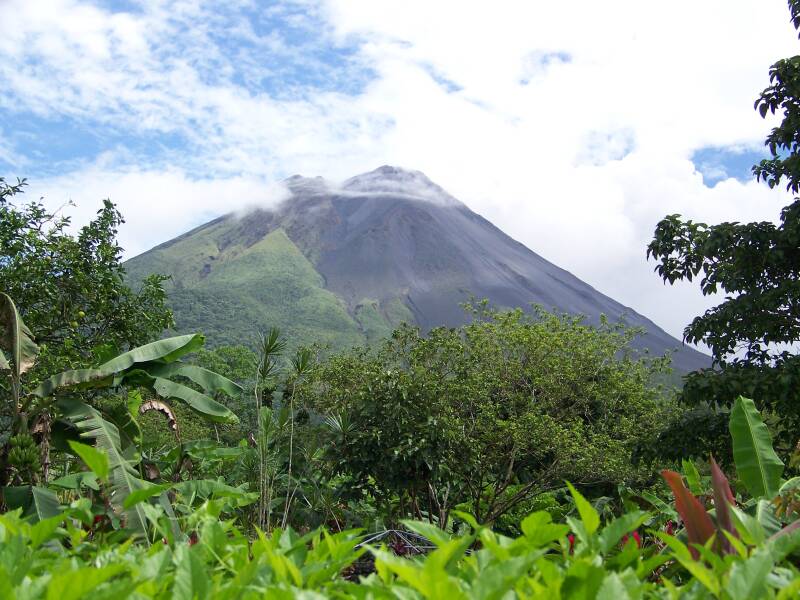
Anyone who has visited La Fortuna has surely seen it. The Arenal volcano, a magnificent cone-shaped stratovolcano that, at over 1,600 meters high, defines the landscape. For a long time, it was assumed that Arenal was an extinct volcano. Locals even referred to it as Cerro Arenal, which means Arenal Mountain, instead of a volcano.
The Eruption of 1968
Fifty-seven years ago today, on Monday, July 29, 1968, at around 7:30 a.m., disaster struck unexpectedly. Arenal erupted suddenly and violently. The eruptions continued for days, burying more than 15 square kilometers under rocks and lava. When the eruptions finally stopped, over 230 square kilometers of land were covered in ash, including the towns of Tabacon, Pueblo Nuevo, and San Luis. The picture of the eruption is found in an article on the website of the Arenal Observatory Lodge related to the eruption.

From 1968 to 2010
What followed was one of the longest continuously active volcanic periods in modern history, lasting 42 years. Following its 1968 eruption, Arenal quickly transitioned from explosive blasts to steady lava emissions centered at Crater C by 1975. Between 1984 and 1998, its reliable nightly displays of glowing lava and ash transformed nearby La Fortuna into a major eco-tourism hub.
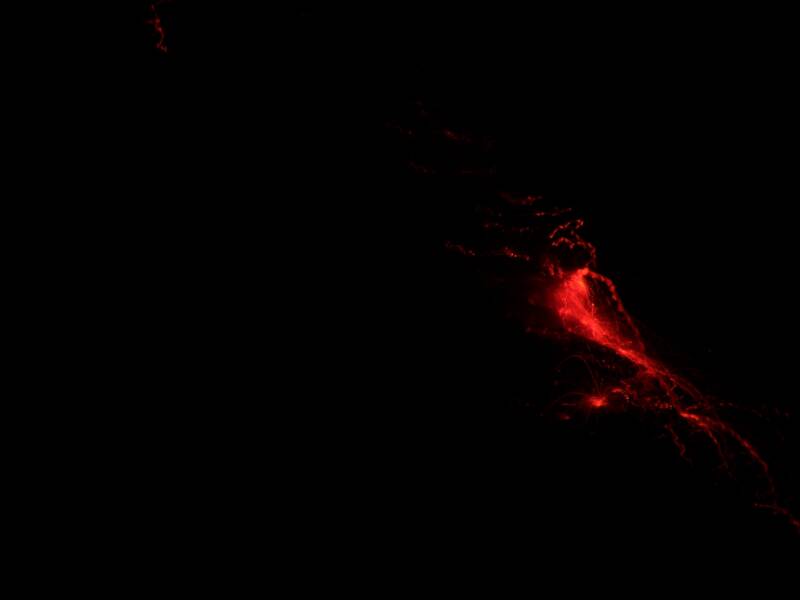
After a partial crater collapse in 1998 forced local hotel evacuations, activity steadily faded throughout the 2000s. During my first trip to Costa Rica in 2009 you could still see lava flows coming from the volcano in the dark. This was possible until the volcano entered its current dormant phase in late 2010.
Arenal Today
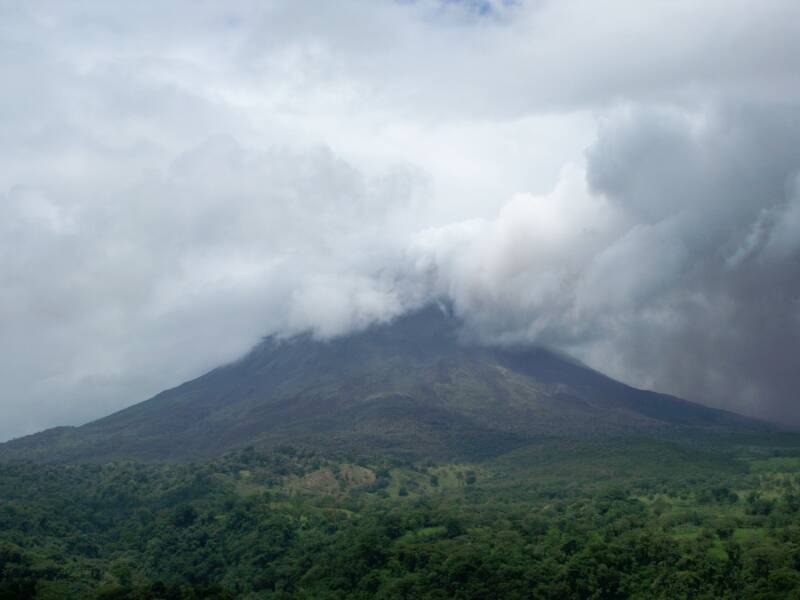
Today, Arenal is once again a silent, stately giant, but at places like Arenal 1968 and El Silencio, the hardened lava flows from 1968 can still be admired. You can still clearly observe the contrast between Arenal's green eastern slope and its bare, grey western slope, a direct result of Crater C's activity on the western flank and the long time required for ecological succession.
Related Pages
- More about Costa Rican volcanoes on the Volcanoes page.
- More about the Arenal volcano and the region of La Fortuna on The Northern Zone page.