

Southwest Guanacaste
Okay, stay with me… the southwestern part of Guanacaste is located on the northwestern part of the Nicoya Peninsula, which is located in the northwestern part of Costa Rica on the Pacific Ocean. This specific region is known for the beach towns Samara and Nosara and the turtle arribadas at Ostional. The lesser-known San Francisco de Coyote is a truly wonderful off-the-beaten-path destination in this area. Explore the southwestern part of Guanacaste on the Nicoya Peninsula!
This page contains affiliate links to Booking.com, Hostelworld, and Tripadvisor. If you click through and make a booking, I may earn a commission at no additional cost to you.
Guanacaste or Nicoya Peninsula?
In fact, the region I'm describing on this page is located on the Nicoya Peninsula. The Nicoya Peninsula, however, is divided between the province of Puntarenas and the province of Guanacaste. The southern part of the peninsula, which is part of Puntarenas, with the famous towns of Santa Teresa, Montezuma, and Paquera, is described on The Nicoya Peninsula page. The northwestern part of the peninsula that belongs to the province of Guanacaste is described here. The reason why I decided to describe them separately is because, although geographically close to each other, it is not a short drive between the two areas of the peninsula. More info on this is in the 'how to get to' section at the bottom of this page.
Climate & Vegetation
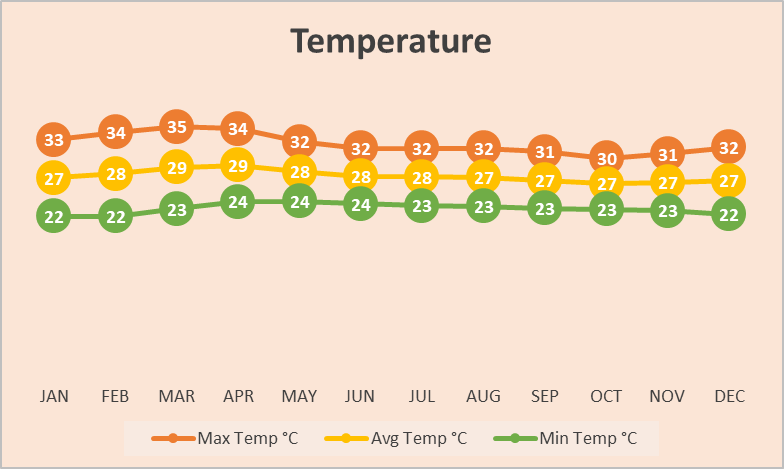
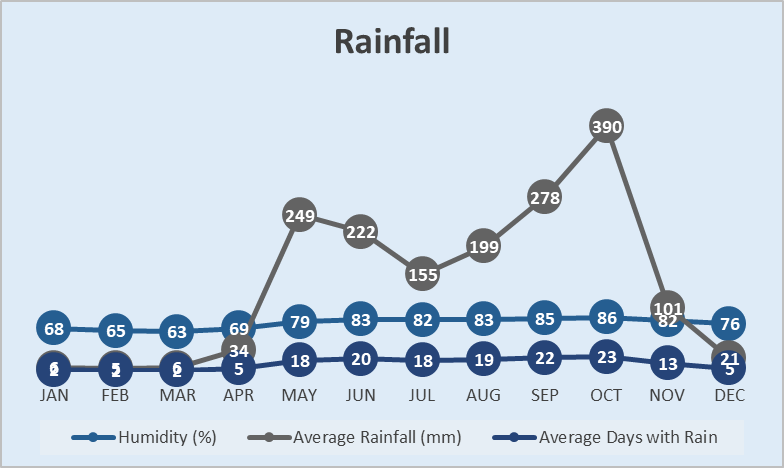
The Nicoya Peninsula and the Guanacaste province have a drier tropical climate, with a distinct dry season from December to April and a rainy season from May to November. The region receives relatively little rainfall compared to other parts of Costa Rica. The peninsula is largely covered in tropical dry forests, which are characterized by trees that shed their leaves during the dry season. During the dry season this region can be hot and dusty, while during the rainy season it is a bit cooler thanks to the rains, and the vegetation will be beautifully green and more alive. These tropical dry forests are home to a variety of plant species that are found only in this part of Costa Rica, including the Guanacaste tree, which is the national tree of Costa Rica.
Temperature and rainfall data are long-term averages, and "rainy days" doesn't reflect how long it rains each day. Because weather naturally varies each year, predictions are never exact. Visit the Seasons page for more information.
Playa Coyote
Playa Coyote is a beautiful beach located north of Santa Teresa and south of Samara. It is a more remote and secluded beach that has managed to maintain its natural beauty and charm, with little touristic development. There are a few hotels and restaurants, but for the most part, it remains unspoiled and free from the crowds. The nearby town of San Francisco de Coyote has a supermarket and couple of other stores and a gas station. It is the perfect location when you want to combine a beautiful beach surrounded by nature, peace, and quiet. The sunsets are amazing.


Where to Stay
Search for the best accomodations on Booking.com and Hostelworld. These links are preset to Playa Coyote.
Samara & Nosara
The town of Samara has a laid-back, surfer feel vibe. It is popular among travelers who are looking for a relaxed beach vacation. Although it is becoming more touristic with a fair number of hotels, restaurants, and shops, it has managed to maintain its small beach town charm. It is a popular surfing destination, with a variety of breaks suitable for different skill levels. Nosara is another small coastal town, relatively close to Samara. I'm told that the beach in front of town, Playa Guiones, is one of the best surf spots in Central America.
Where Samara has a more lively, outgoing atmosphere, Nosara is quieter and has more of a yoga vibe with a focus on health and wellness. Nosara also has some hotels that focus on surfing retreats. The town is home to a number of yoga and wellness retreats, and there are several organic cafés and health food stores in the area. Although, this is the kind of vibe that can be said for the entire Nicoya Peninsula if you ask me.
The pictures below show Playa Pelada which is located in front of Nosara. If you do not have a specific preference at this point, I would suggest staying in Samara as it has a more inviting town center whilst Nosara is more spread-out.
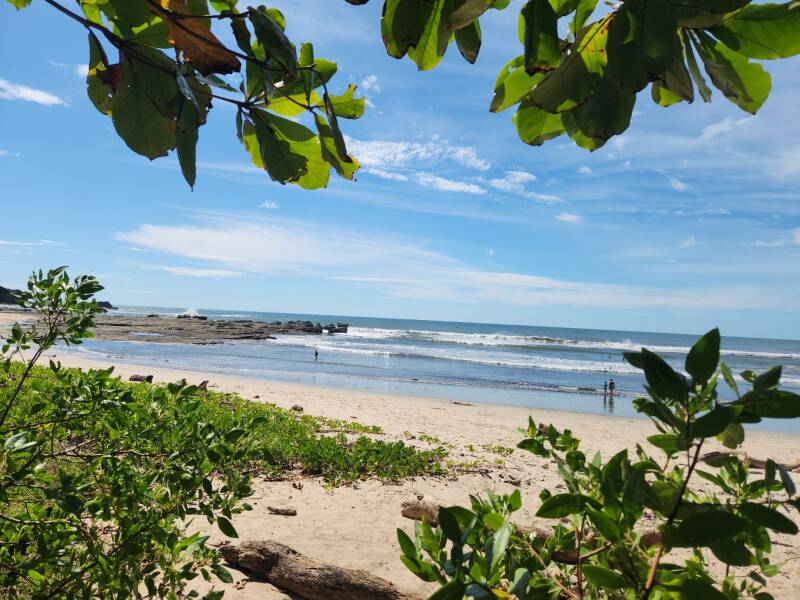
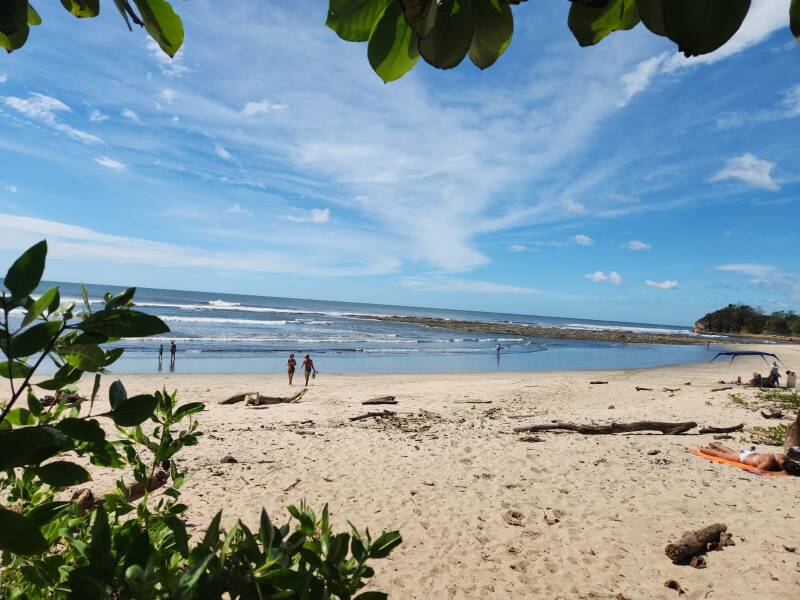

Credits for the photos of Playa Pelada: Familia Santamaria Calderon
Ostional Wildlife Refuge
If you are interested in wildlife and especially sea turtles, then Samara and especially Nosara are also very interesting as they are close to the Ostional National Wildlife Refuge. This is a protected beach area where you can witness the nesting and hatching of sea turtles. It is known for its Olive Ridley sea turtle arribadas. "Arribada" means "arrival" and it refers to the mass nesting events of these sea turtles. They arrive in large numbers during the rainy season, from July to November, to lay their eggs. The arribada peak should be in September and October. If you want to witness an arribada, and you are in the area, you might want to check the Facebook page of Ostional Guides Asociation: Asociacion de Guias Locales de Ostional(AGLO)Costa Rica.
The exact timing of these arribadas is difficult and there is no guarantee that you will witness a mass nesting event. Local guides can provide up-to-date information about timing and location, and you can join them to observe the turtles. Do not attempt to enter the beach during an arribada without an official guide, you do not want to be responsible for disturbing this amazing phenomenon. If you take a look at the video below regarding an arribada at Ostional in 2015, you will get an idea of how immense an arribada can be, and how devastating human interference is.
San Juanillo
San Juanillo, located north of Nosara and Ostional and just like San Francisco de Coyote it is a true hidden gem in this region. The town is small, with some wonderful beaches in the area such as Playa San Juanillo and Playa Pleito. Playa Pleito is known for its virgin beauty, with soft white sand and gentle waves. It's a bit more secluded, making it an ideal spot for those looking to escape the crowds. It is a short walk from Playa San Juanillo to reach this beach. San Juanillo is a great place from which to visit the Ostional Wildlife Refuge. San Juanillo is accessible via a short drive from Nosara, but the roads in the region are mainly gavel and not in the best condition during rainy season a 4WD is recommended.
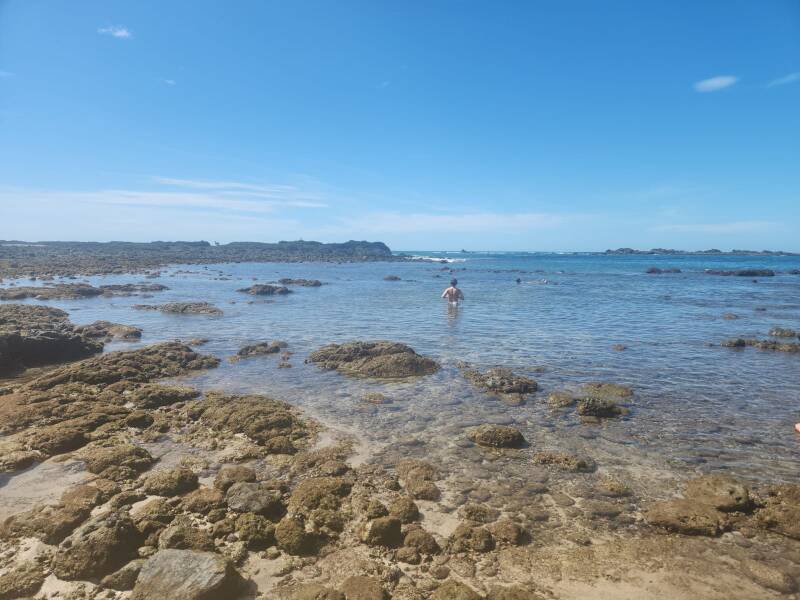
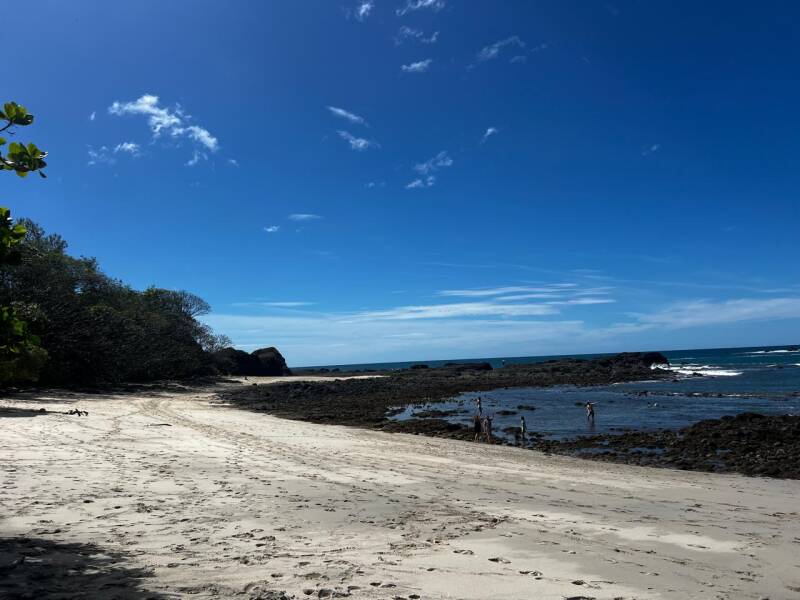

Credits for the photos of Playa Pleito: Familia Santamaria Calderon
Explore Samara & Nosara
- ✧ Chill at Playa Samara right in front of town, rent a surfboard or take some surf classes.
- ✧ Visit the nearby beautiful Playa Carrillo next to Samara.
- ✧ Visit Playa Guiones or Playa Pelada near Nosara.
- ✧ Visit Ostional National Wildlife Refuge to witness an turtle arribada or turtles hatching.
- ✧ Visit San Juanillo north of Nosara, this small town and Playa San Juanillo and Playa Pleito are rather unknown but these beaches are very beautiful. It's a 30-45 minute drive from Nosara past Ostional. Make sure the road is okay to drive during periods of heavy rain.
✓: Based on experience | ✧: Based on research. Follow the links to check recent visitor photos and reviews on Tripadvisor.
Where to Stay
-
✧ Hotel Bahia Beachfront is a relaxed hotel located in the town of Samara and, like the name suggests, right at the beach. If you want to stay in Samara in my opinion this is the place to be. Breakfast is included. Check out the Bahia Beachfront Hotel on Booking.com for great deals!
Search for the best accomodations on Booking.com and Hostelworld. These links are preset to Samara.
How to get there
From central Guanacaste in the north, you can reach the peninsula by land, and when you travel from the direction of La Fortuna and Monteverde, there is a bridge, called the Puente de la Amistad de Taiwan, or Tempisque Bridge, as it crosses the Tempisque River. Another option is to take a ferry from the town of Puntarenas to Paquera or Playa Naranjo. The ferry takes about 1.5 hours, and it's a scenic journey across the Gulf of Nicoya. The ferry to Playa Naranjo is your best option for this part of the peninsula.
When you want to drive between Santa Teresa and San Francisco de Coyote by car, note that the roads along the west coast are not your safest choice, even though Google Maps might advise these roads. These are gravel roads with river crossings and require a 4WD. These roads are a no-go during rainy season. It is however a beautiful scenic drive and during dry season you might be able to ford the river crossings under normal circumstances with the right car and experience. Be careful though and note that fording incidents usually are not covered by your rental car insurance. There is also a road between Santa Teresa and Coyote that uses the beach. Note that driving on the beach is prohibited in Costa Rica. It is more dangerous than you might think, and again not covered by your rental car insurance. There are also more inland option north of Cobano. However, not recommended, due to bad road conditions and steep hills. During rainy season all my attempts failed and the safest option is to use the main road, ruta 21 in the direction of Jicaral, and take the secondary roads 162 or 163 to San Francisco de Coyote.
For detailed descriptions and a map on how to get to Guanacaste and the Nicoya Peninsula, check the Routes & Roads page.
What to Explore Next
- North east of southwest Guanacaste you will find the rest of Guanacaste with beautiful pacific beaches, tropical dry forest, and national parks.
- South of southwest Guanacaste you will find the (rest) of The Nicoya Peninsula with wonderful beaches and Bohemian beach towns.
- South-east of the Nicoya Peninsula you will find The Central Pacific with nice beaches and the most famous national park of the country.