

The South Caribbean
The Caribbean side of Costa Rica is a beautiful and diverse region that is known for its laid-back atmosphere, beautiful beaches, and tropical rainforests. The region has a rich Afro-Caribbean culture. This cultural heritage is reflected in the music, food, and language. One of the most popular destinations is Puerto Viejo de Talamanca, a small town that is famous for its beach culture, nightlife, and reggae music. Looking for more relaxing places to stay. The towns of Cahuita and Manzanillo are smaller but quieter than Puerto Viejo, and both are adjacent to an amazing coastal national park with rainforest, wildlife, and beaches.
This page contains affiliate links to Booking.com, Hostelworld, and Tripadvisor. If you click through and make a booking, I may earn a commission at no additional cost to you.
Climate & Vegetation
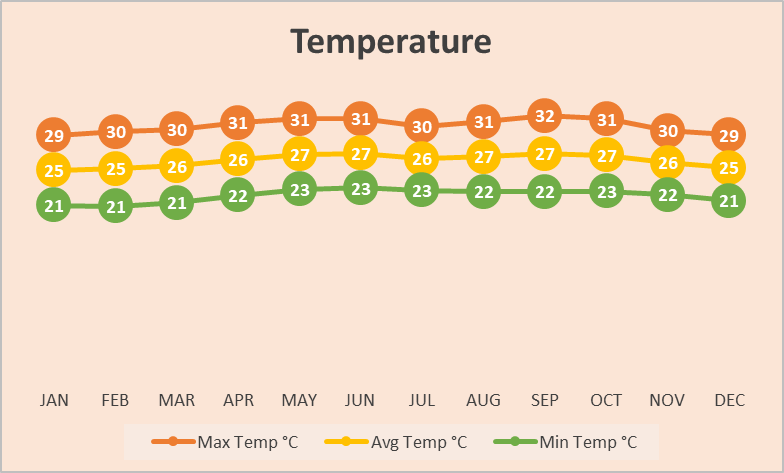
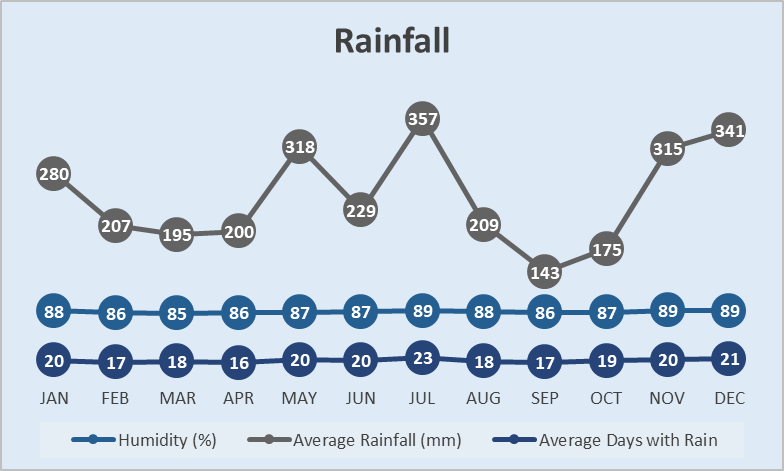
The Caribbean region has a tropical climate that is characterized by high temperatures, humidity, and rainfall throughout the year. Precipitation varies by month, with the months of February and March being the driest. The rainy season in the Caribbean runs from May to December. However, there is a break from the rainy season during September and October. These months also being two of the driest.
The high humidity and rainfall support lush vegetation, including tropical rainforests, mangroves, and palm forests. The region is home to a diverse array of plant and animal species. The coastal areas of the South Caribbean region are characterized by black and white sand beaches, crystal-clear waters, and coral reefs. Although these reefs are not as colorful as in some other parts of the world.
Temperature and rainfall data are long-term averages, and "rainy days" doesn't reflect how long it rains each day. Because weather naturally varies each year, predictions are never exact. Visit the Seasons page for more information.
The Caribbean Culture
When you visit the Caribbean side of Costa Rica, you will notice that there are cultural differences between the Caribbean region and the rest of the country. The Caribbean side of Costa Rica is known for its diverse mix of Afro-Caribbean, indigenous, and mestizo cultures, which is reflected in the food, languages, and music in the region. Many residents are descended from Jamaican and other Caribbean immigrants who came to the region to work on the banana plantations in the early 20th century. When it comes to music, the rhythms of calypso and reggae can often be enjoyed at bars and festivals. Further down on this page, you can learn why calypso music and Cahuita are deeply connected.
Spanish is the official language of Costa Rica and is spoken by the majority of the population, including on the Caribbean coast. However, on the Caribbean coast, there are several other languages that are commonly spoken. One of the most prominent of these languages is English Creole, also known as Limonese Creole, which is spoken by many of the Afro-Caribbean people who live in the region. The language is a blend of English, West African languages, and Spanish. There are also several indigenous languages on the Caribbean coast of Costa Rica, including Bribri.
Want to know more? An interesting story about Caribbean culture is about Calypso Music.
Cahuita
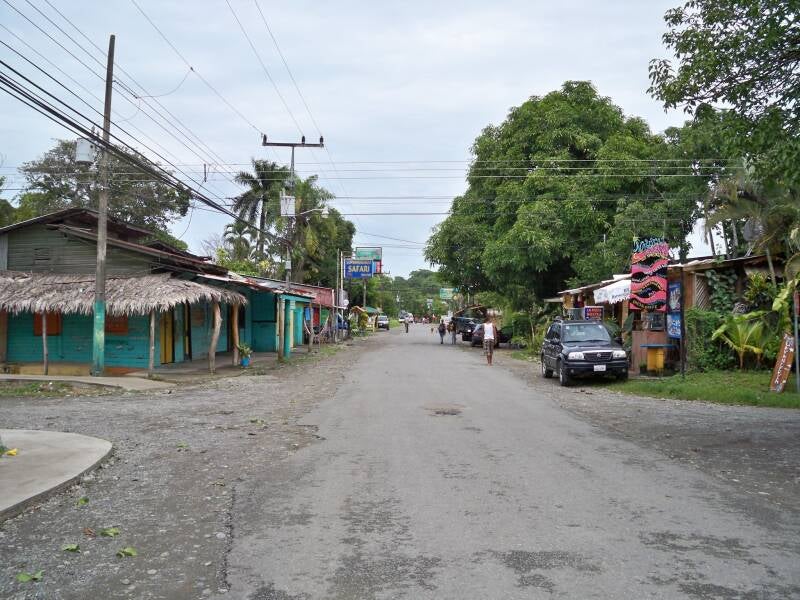
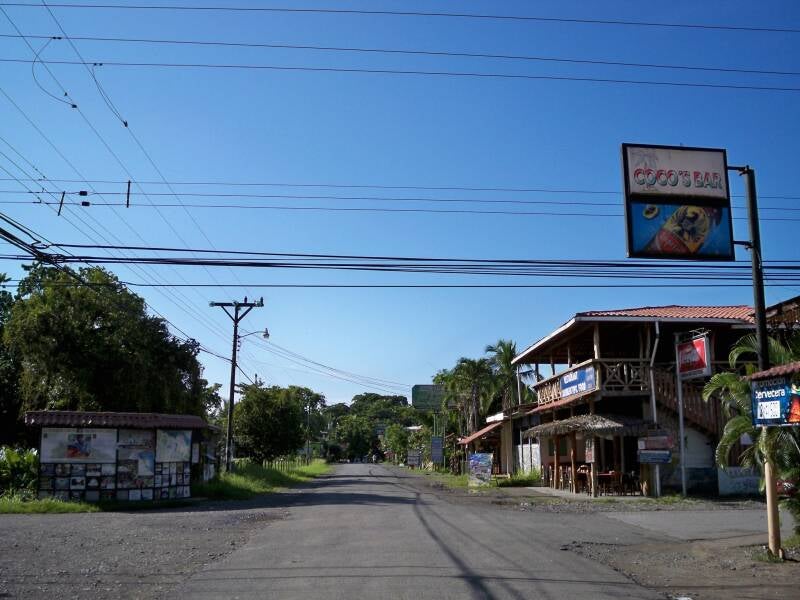
Cahuita is a small town located about 43 km (ca. 27 miles) south of Puerto Limón and a few kilometers north of Puerto Viejo de Talamanca. Cahuita is known for its beautiful beaches, which are surrounded by rainforest. The town itself is small and laid-back, with a mix of Afro-Caribbean and Costa Rican culture. There are several restaurants and bars serving local and international food and plenty of nice accommodations in town and in the surrounding area. North of the town is Playa Negra. This beach has black sand (similar to the Playa Negra in Puerto Viejo) and is known for strong waves, making it a popular beach for surfing. My favorite beach is Playa Blanca, located south of Cahuita. This beach is located next to the Cahuita National Park entrance and a nice beach bar. The first time when I visited the South Caribbean, I stayed in Cahuita, and I loved it. The town has a nice reggae vibe to it and offers a unique and authentic Caribbean experience. It is a great choice when you are looking for something more tranquil compared to the larger town of Puerto Viejo de Talamanca and if you want to find yourself surrounded by nature.
Cahuita National Park
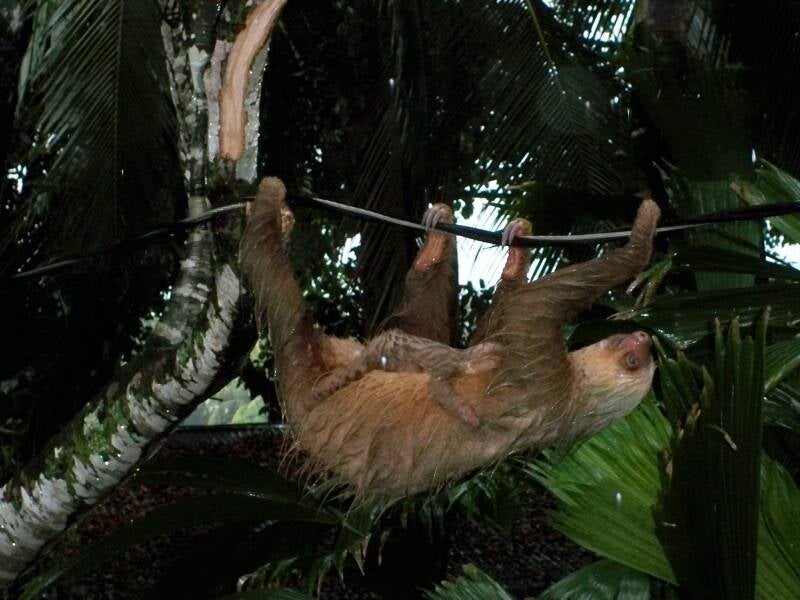
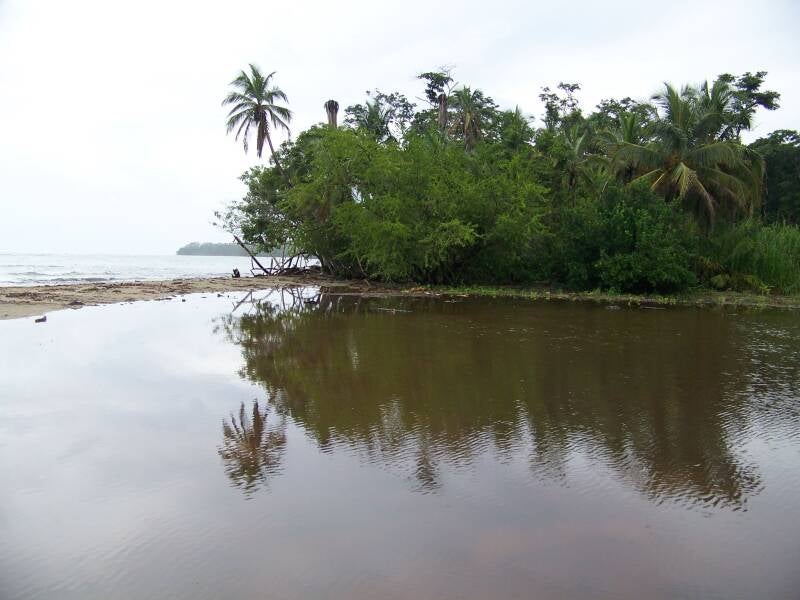
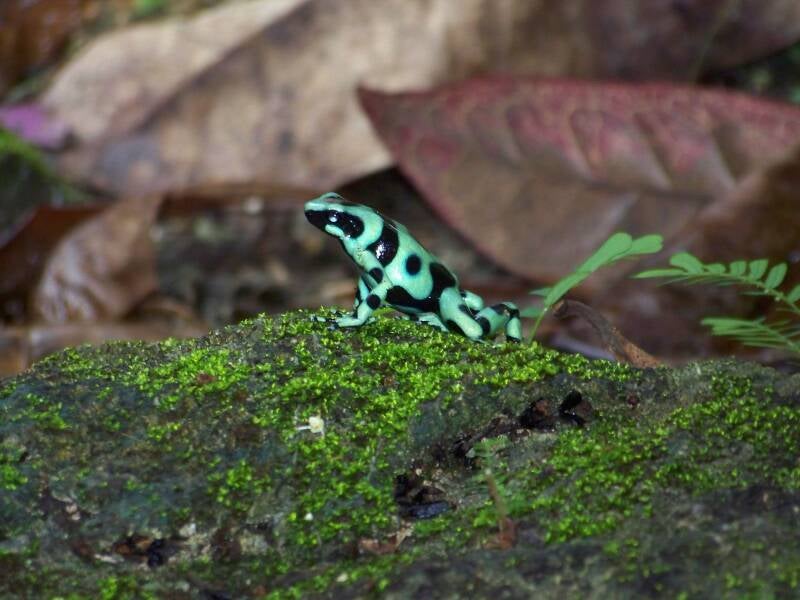
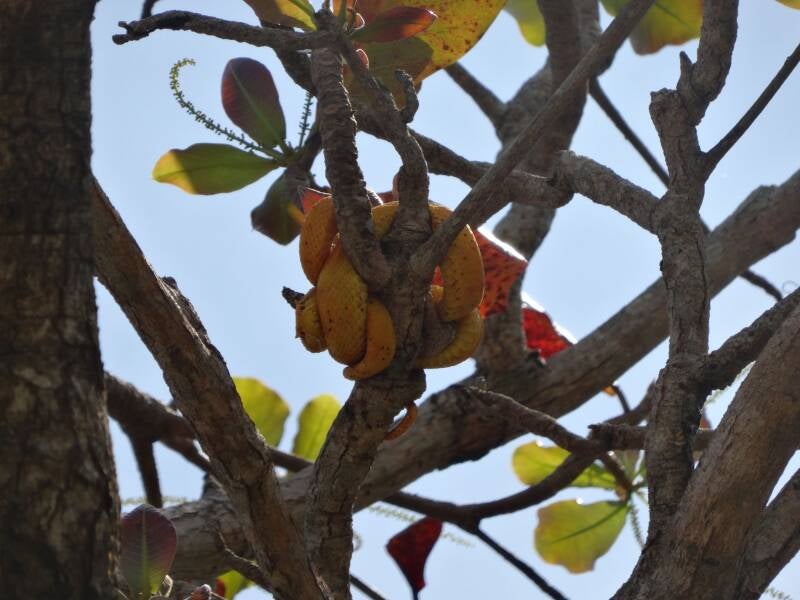
One of the main attractions of Cahuita is the Cahuita National Park. The name Cahuita comes from the word “Kawe,” which means “Sangrillo,” which is a local tree, and the word “Ta,” which means “tip.” This translates to “Punta Sangrillo.” The park has approximately 24,000 hectares of marine coverage and 1,100 hectares of terrestrial coverage. Cahuita National Park is, without a doubt, one of the best national parks in Costa Rica, in my opinion, for a couple of reasons. It offers a unique combination of lush green rainforest, nice Caribbean beaches, and beautiful marine life. The coral reef at Cahuita is considered one of the most important in the country. The park is very accessible, with good trails that follow the coastline. The park is home to a lot of animals, of which sloths, monkeys, crocodiles, raccoons, anteaters, snakes, and poison dart frogs are some.
The main entrance of the park is located in the town of Cahuita, where you can eat and relax before or after you have strolled through the park. The town is also the home base for some tour operators and guides that can take you to the park or on a snorkeling tour. The entrance fee to the park is a voluntary donation, and a guide is not mandatory. Check the official website of the national park for more information: SINAC ACLAC Cahuita NP.
Another park that offers a somewhat similar experience is located south of Cahuita and Puerto Viejo near the town of Manzanillo, called Refugio Nacional Gandoca-Manzanillo. This park is lesser known and receives fewer visitors compared to Cahuita National Park, but it is definitely worth your consideration.


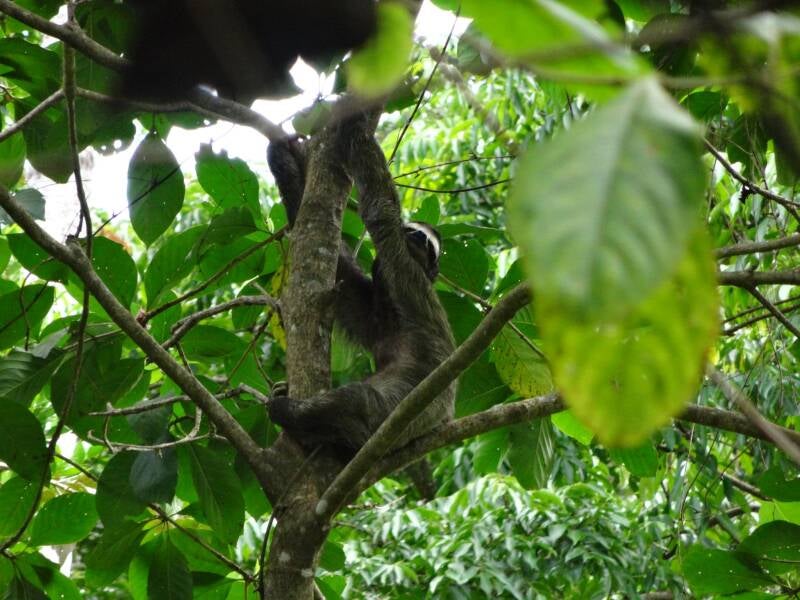
Explore Cahuita
- ✓ Parque Nacional Cahuita, one of the best national parks of Costa Rica in my opinion is Cahuita National Park.
- ✓ Cahuita has two beautiful beaches. Visit Playa Negra located on the north-west side of town, or relax at Playa Blanca south-east of town right at the entrance of Cahuita National Park.
✓: Based on experience | ✧: Based on research. Follow the links to check recent visitor photos and reviews on Tripadvisor.
Where to Stay
Search for the best accomodations on Booking.com and Hostelworld. These links are preset to Cahuita.
Puerto Viejo de Talamanca
Puerto Viejo de Talamanca is located a bit south of Cahuita and is the largest beach town in the area. The town was founded by Jamaican immigrants and is known for its Afro-Caribbean culture with a laid-back reggae atmosphere. The town also has plenty of restaurants and bars, serving delicious Caribbean food and drinks. Have a typical Caribbean breakfast at Bread & Chocolate. Have a drink or a bite on one of the beautiful beaches at the Salsa Brava Beach Bar or the El Sendero Beach Club, and definitely consider Lydia's Place for some local lunch or dinner. You will note that Puerto Viejo has a lively music scene, which includes reggae, calypso, salsa, and bachata music. If you like to go out, Puerto Viejo is your choice of town in the area.
The town is surrounded by rainforest and palm tree-filled beaches, with the famous Playa Negra at the north side of town, known for its black sand. South of town there are beautiful white-sand beaches, including the well-known Playa Cocles and Punta Uva. These beaches, which are absolutely among the most beautiful beaches in Costa Rica, are perfect for swimming and sunbathing. Surfing is also an option, with a few surf schools located in town. A perfect way to explore the area and visit these beaches is by renting a bike and cycling all the way south to the town of Manzanillo. Other attractions in the area that are worth visiting are the Jaguar Rescue Center and the indigenous Bribri tribe.
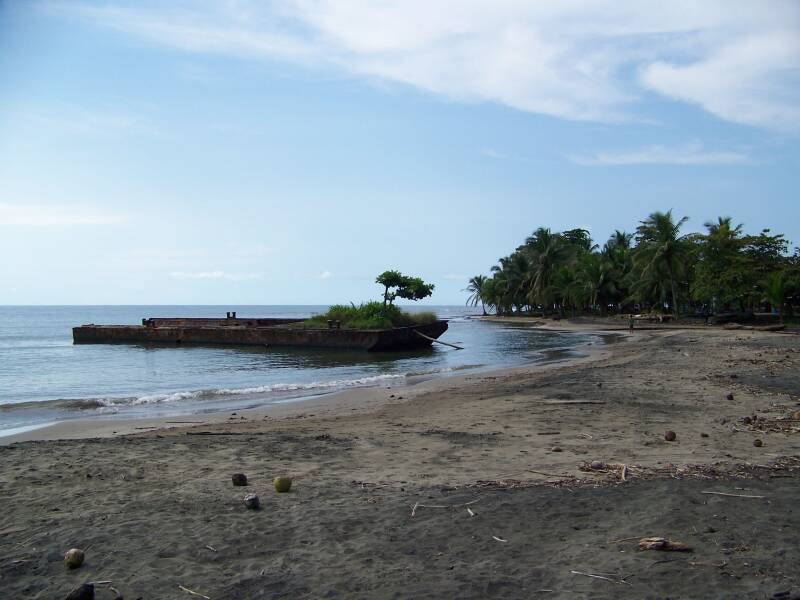
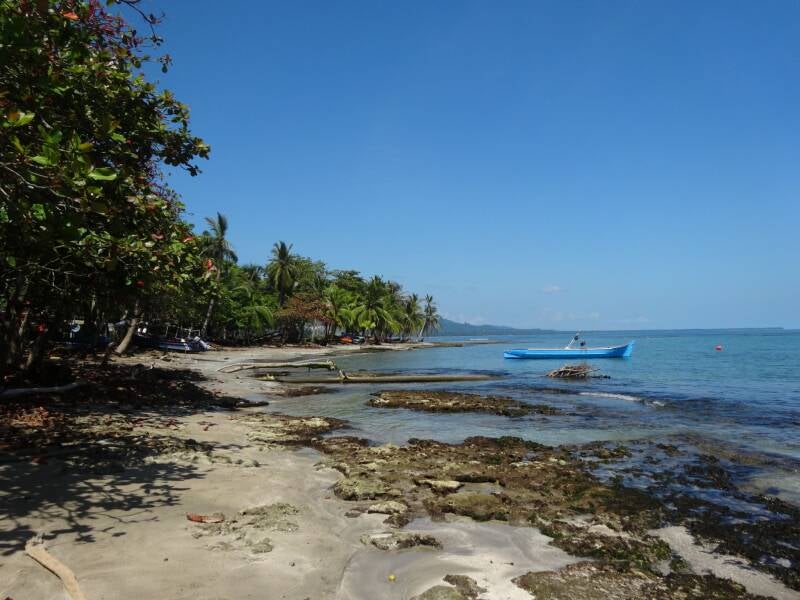
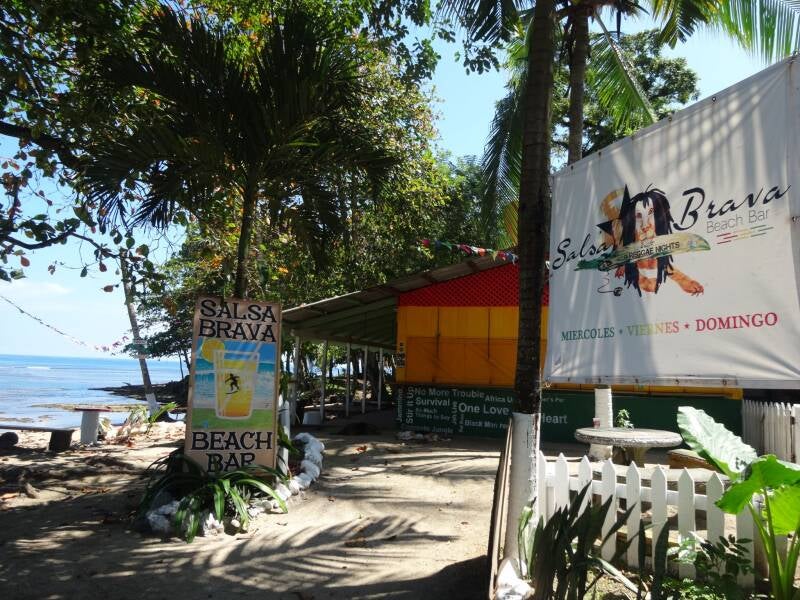
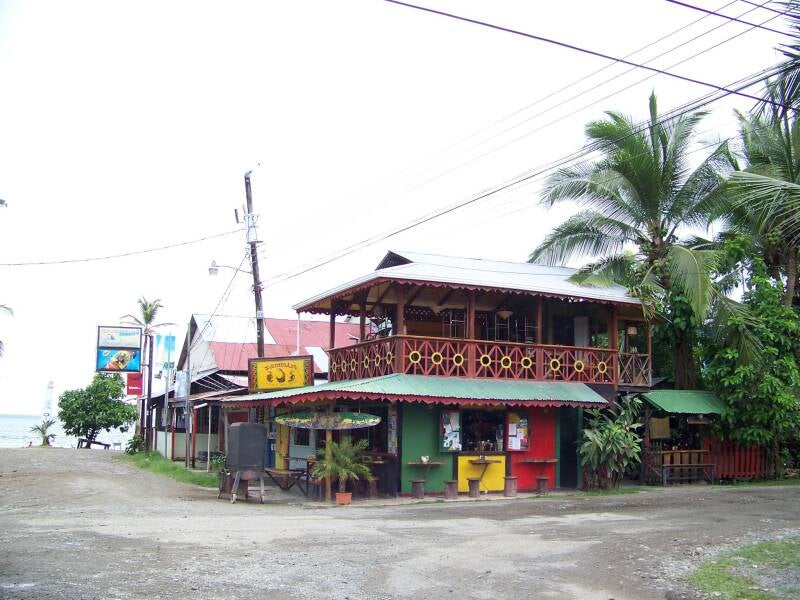
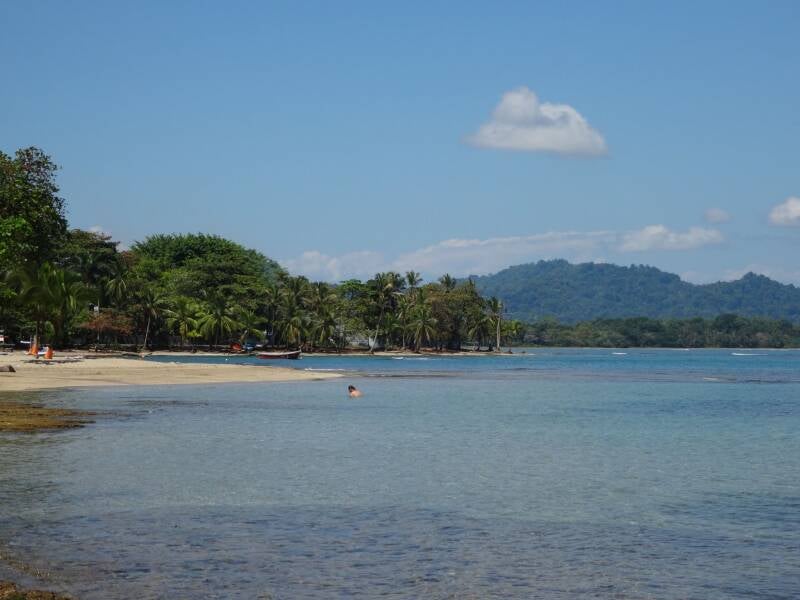
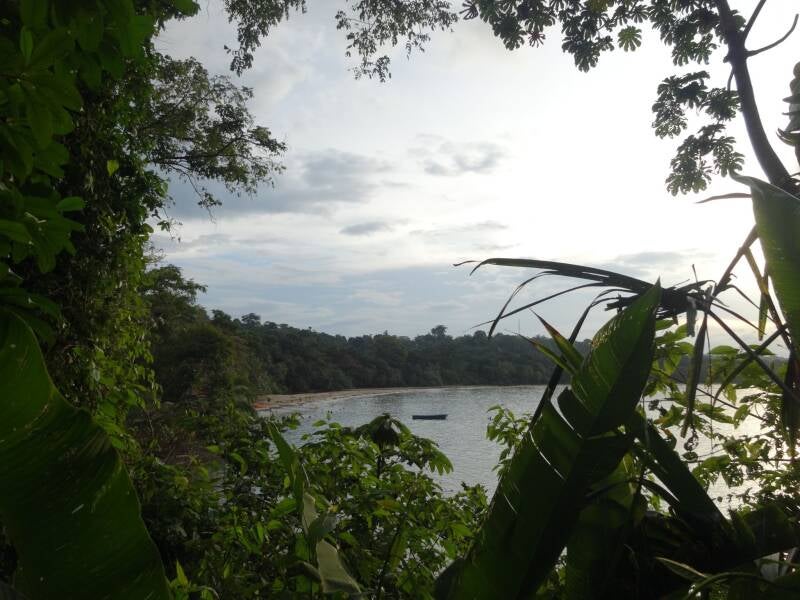
Explore Puerto Viejo
- ✓ Puerto Viejo is famous for it's wonderful and diverse beaches. With the black sanded Playa Negra located north-west of town and Playa Cocles located south-east of town.
- ✓ Punta Uva, a great spot to visit. Playa Punta Uva is beautiful. The cliff with a lookout point has a cave going through it, and you can kayak the beach and the nearby river.
- ✓ Rent a bike and cycle all the way to Manzanillo. A great way to explore the wonderful beaches in between the two towns.
- ✓ Jaguar Rescue Center, an animal sanctuary for rehabilitation.
- ✧ Visit the BriBri Tribe and learn more about Costa Rica’s indigenous people and culture.
✓: Based on experience | ✧: Based on research. Follow the links to check recent visitor photos and reviews on Tripadvisor.
Where to Stay
Search for the best accomodations on Booking.com and Hostelworld. These links are preset to Puerto Viejo de Talamanca.
Manzanillo
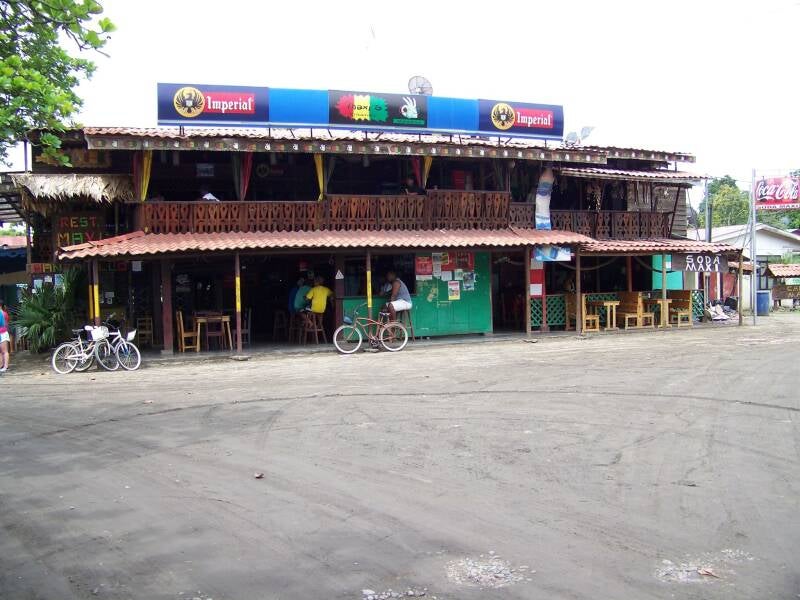
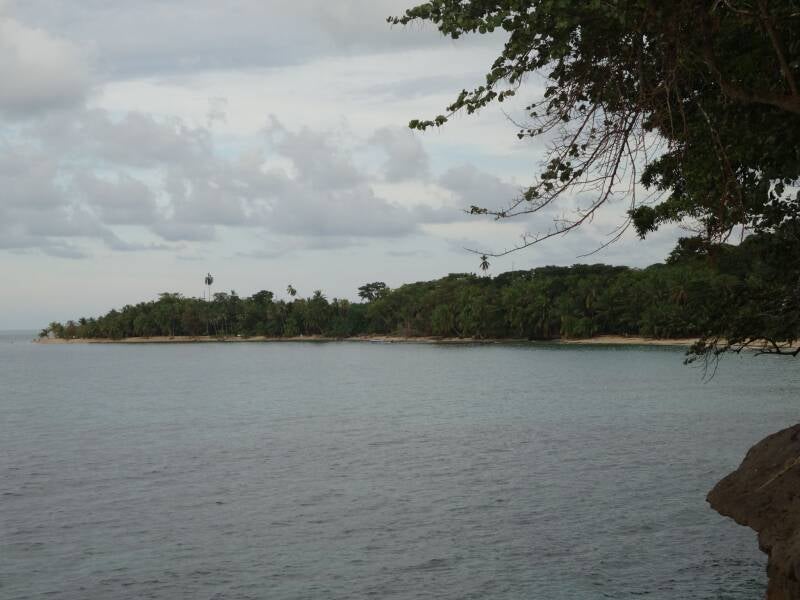
Manzanillo is located south of Puerto Viejo de Talamanca and is smaller compared to Cahuita and Puerto Viejo, but with the same Afro-Caribbean vibe. If you want to be away from the crowds in the middle of nature and at one of the most beautiful beaches of Costa Rica, this is the place to be. The town has a few restaurants that are happy to serve you the catch of the day. You will find beautiful eco-lodges in the surrounding area, making it an ideal destination for those who want peace and quiet and to fully experience the Caribbean flora and fauna. The town is an excellent place for ecotourism. Located in Manzanillo is the main entrance of the Gandoca-Manzanillo Wildlife Refuge, which is home to a diverse array of plant and animal species, including monkeys, sloths, and toucans. You can hike the trails, some of which will lead to beautiful secluded beaches.
One of the most popular attractions in Manzanillo is Playa Manzanillo, which is known for its golden sand and palm trees. Don’t forget to walk the beach to a nearby wreckage. Manzanillo is a lovely place to chill at the beach, and the atmosphere is relaxed. When we started playing some soccer at the beach, other tourists and locals joined, and it turned out to be a great game with fresh coconuts for drinks during half-time and some beers after.
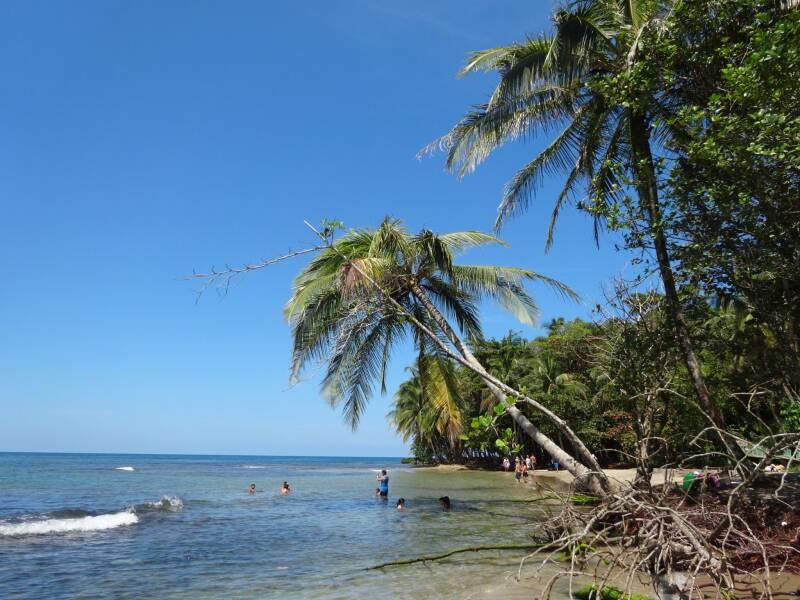
Explore Manzanillo
- ✧ The Gandoca-Manzanillo Wildlife Refuge, a beautiful reserve similar to Cahuita National Park, but lesser known with fewer visitors.
- ✓ Visit the Yicel Shipwreck at the beautiful Playa Manzanillo.
- ✧ Witness endangered Great Green Macaws at the Ara Manzanillo reintroduction station.
✓: Based on experience | ✧: Based on research. Follow the links to check recent visitor photos and reviews on Tripadvisor.
Where to Stay
Search for the best accomodations on Booking.com and Hostelworld. These links are preset to Manzanillo.
What to Explore Next
- North of the south Caribbean you will find The North Caribbean with Tortuguero National Park.
- West of the south Caribbean you will find The South Central Valley, a mountainous region with lush rainforests, volcanos, and beautiful valleys. This region is a great place to spend the night on your way to The South Pacific, or The Central Pacific.
- North-west of the south Caribbean you will find The North Central Valley with the nation its capital city.
- Many people decide to drive directly from the south Caribbean to The Northern Zone, with lush rainforests, volcanos and cloud forests.