

Regions
Costa Rica is a very diverse country when it comes to nature, climate, culture, and touristic activities. Discover the different regions of Costa Rica and learn about their landscapes, climate, nature and main highlights.
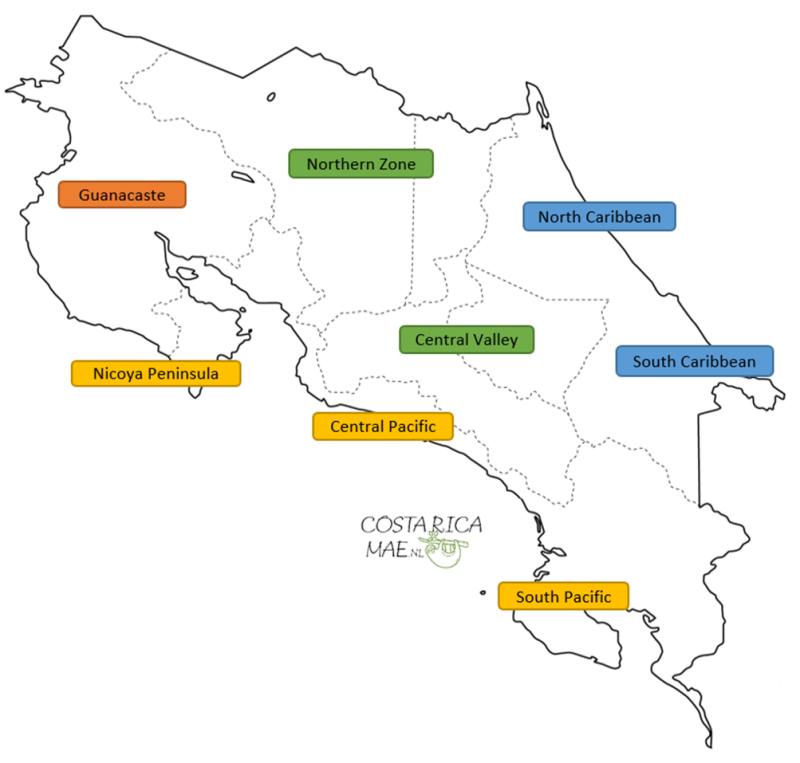
Costa Rica divided in Regions
Caribbean Costa Rica
The North Caribbean
-
Province(s): Limón
-
Vegetation: Tropical Rainforest
The main place to visit in the North Caribbean is Tortuguero National Park. This national park is one of the most beautiful parks in Costa Rica. It is well known for turtles nesting on the beach or for boat and kayak tours to spot wildlife, as you can best compare this area with the Brazilian Amazon, with rivers and channels that people use to get around.
Tortuguero cannot be reached by car. The most common way to get to the park is by boat via La Pavona. At La Pavona there is a restaurant where you can buy your ticket and secured parking where you can leave your car. The boat trip from La Pavona through the channels to the town of Tortuguero takes approximately one hour. There are also boats leaving for Tortuguero from Moín, which is located close to Puerto Limón.
The town of Tortuguero is small but has various hotels, some restaurants, and shops, and is the main hub for tours. In the park outside the town, there are various lodges usually offering the possibility to book the same or similar tours as are offered in the town of Tortuguero. Other interesting places in the North Caribbean are Sarapiqui, which is often used as a stayover by people traveling from the South Caribbean to the Northern Zone, and Boca Tapada. Read the Tortuguero and The North Caribbean page for more information.
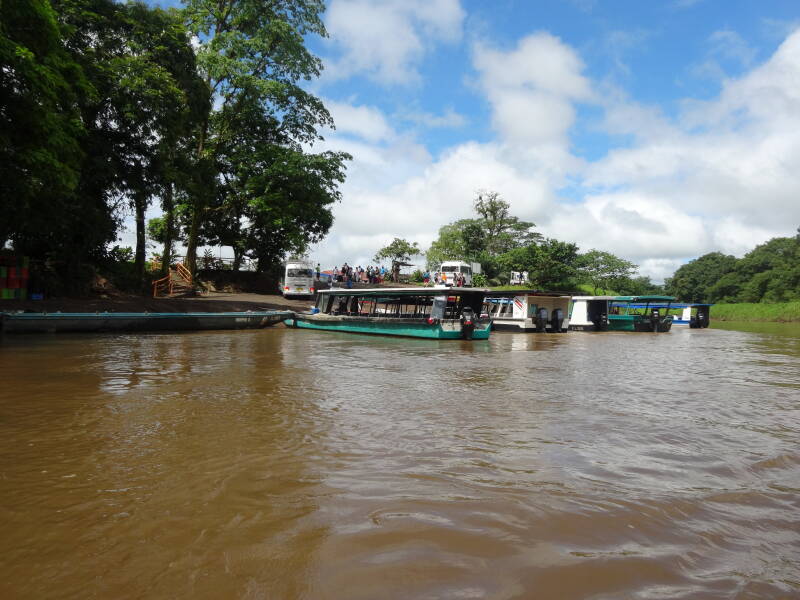
La Pavona the gateway to Tortuguero
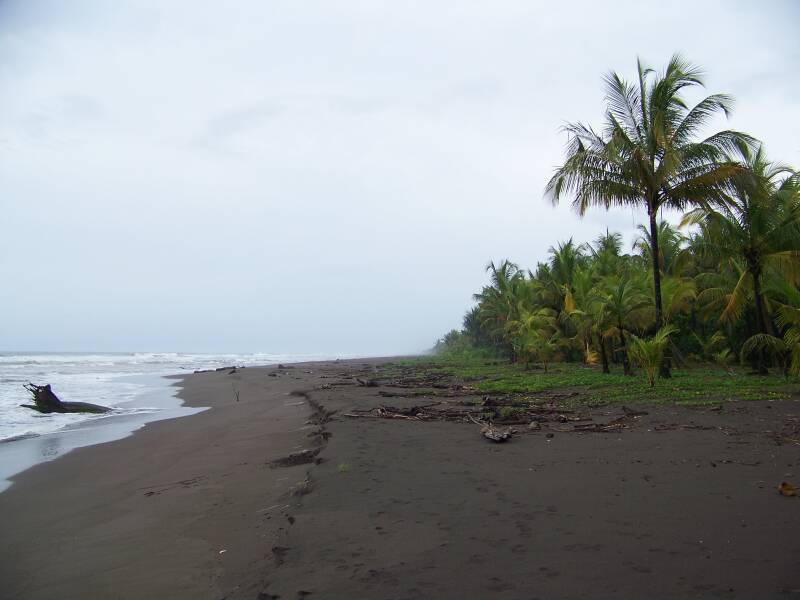
The Beach of Tortuguero
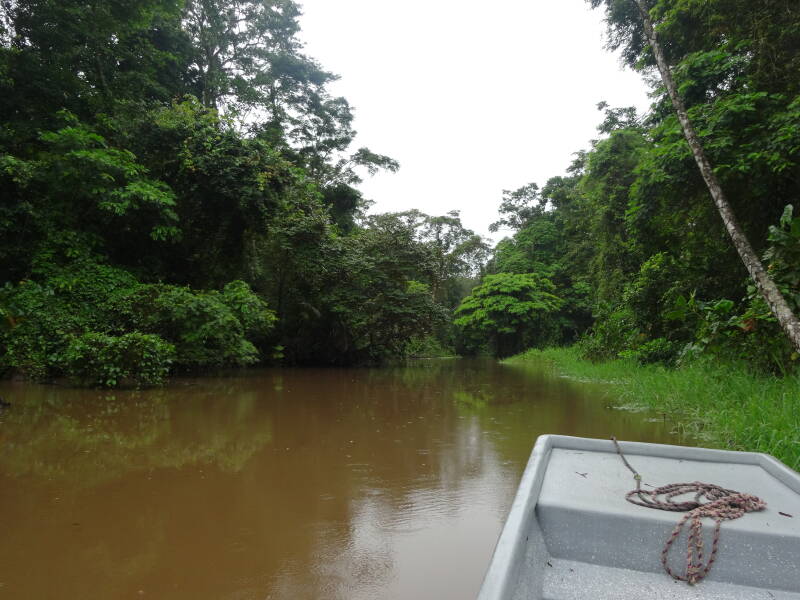
Wildlife Tour on the channels of Tortuguero
The South Caribbean
-
Province(s): Limón
-
Vegetation: Tropical Rainforest
The South Caribbean part of Costa Rica offers a great opportunity to experience nature. Cahuita National Park is a very nice and easily accessible park with the main entrance near the town of Cahuita and a nice beach to relax on when you're done with your hike. Cahuita is an enjoyable town with some hotels, restaurants, and a cool reggae vibe.
Talking about reggae vibes, further down south you will find Puerto Viejo de Talamanca. This is the main town when it comes to tourism in the southern Caribbean. Here you will find many hotels, restaurants, tour operators, and nightlife. Nice beaches like Playa Negra, Playa Cocles, Punta Uva, and Playa Manzanillo start at this town all the way down south along the coast to the town of Manzanillo.
At Manzanillo, you will find the entrance to Gandoca-Manzanillo National Refuge, another impressive national park that is worth visiting. Another attraction near Puerto Viejo is the Jaguar Rescue Center, and from Puerto Viejo you are able to visit the Bribri indigenous tribe. Read The South Caribbean page for more information.
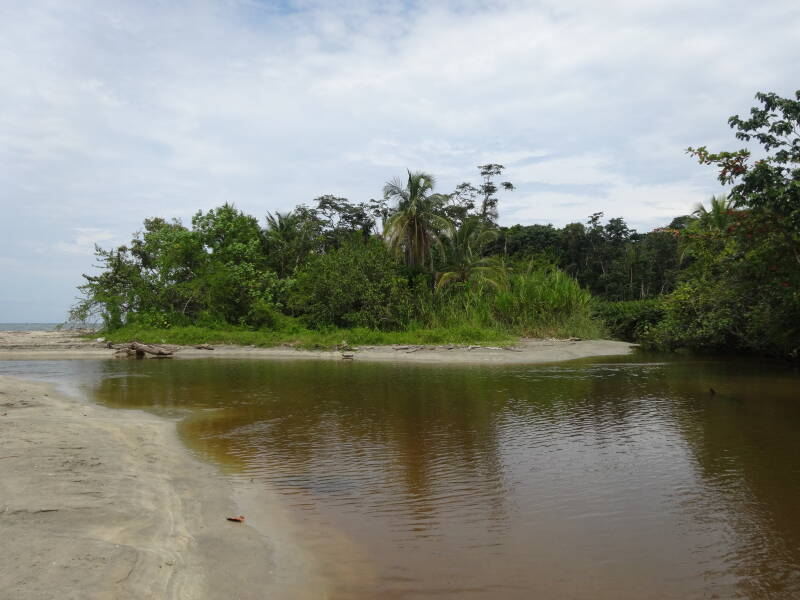
Cahuita National Park
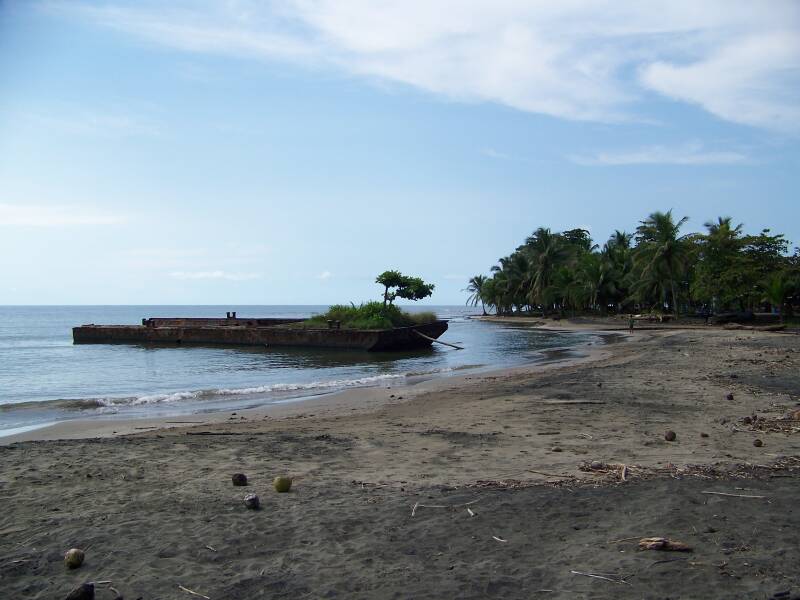
Playa Negra the black sanded beach at Puerto Viejo
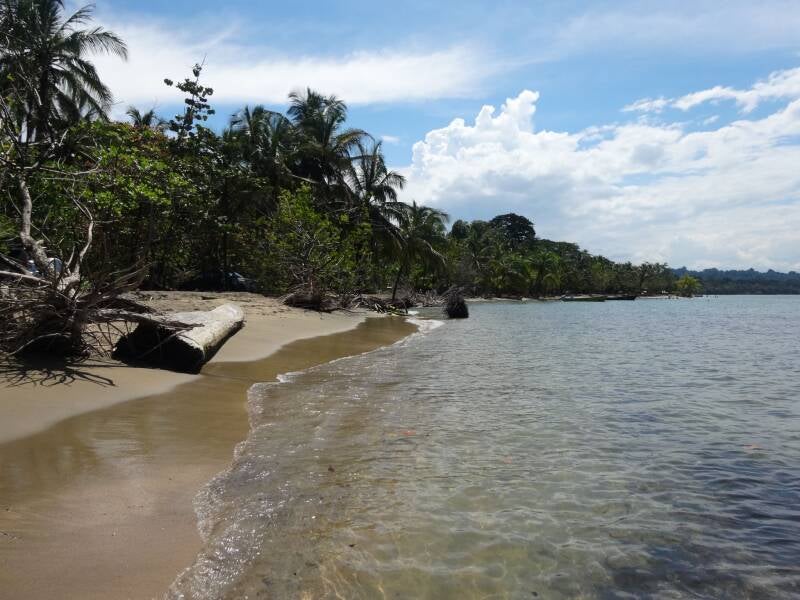
Manzanillo beach, south of Puerto Viejo
Central Costa Rica
The Northern Zone
Arenal, the iconic cone-shaped volcano, is one of the most famous attractions of Costa Rica and can be found near the town of La Fortuna in the Northern Zone. From La Fortuna, there are many places you can visit and tours you can do in one of the parks or private reserves. From most of which you are able to see the majestic Arenal volcano. Close to La Fortuna, there are also a couple of luxurious hot spring resorts like Tabacon and Baldi that are worth a visit. Day passes are available.
Further up north you will find Tenorio Volcano National Park, home to the beautiful Rio Celeste. You can visit this national park while staying at La Fortuna, or you can stay near Rio Celeste, for example, at the Rio Celeste Hideaway Hotel. Arrive in the morning, take half the day to hike the Rio Celeste trail, relax in the afternoon at the hotel in the middle of nature, and leave the next morning to go to your next destination.
Somewhat in between the Northern Zone, the Central Valley, Guanacaste, and the Central Pacific, you will find Santa Elena and Monteverde with plenty of hiking opportunities and canopy tours through amazing cloud forest reserves. Read The Northern Zone or the Monteverde page for more information.
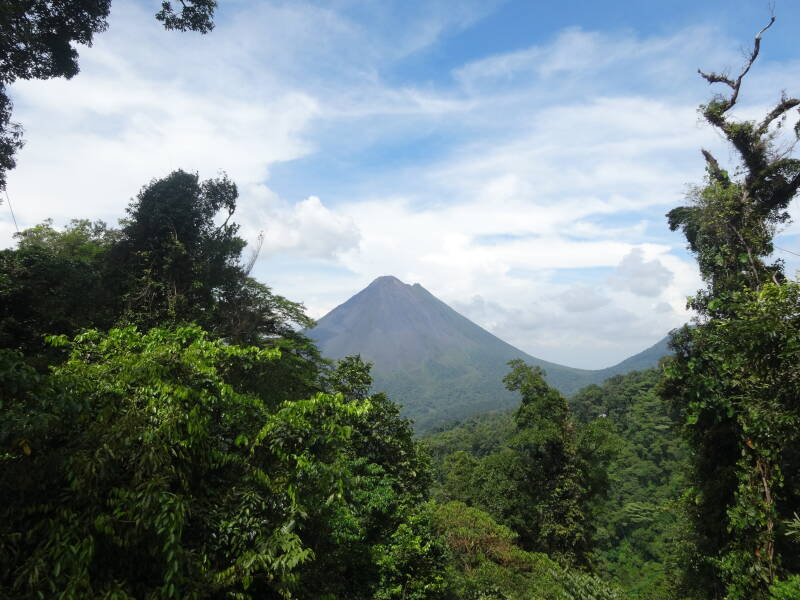
The Arenal Volcano near La Fortuna
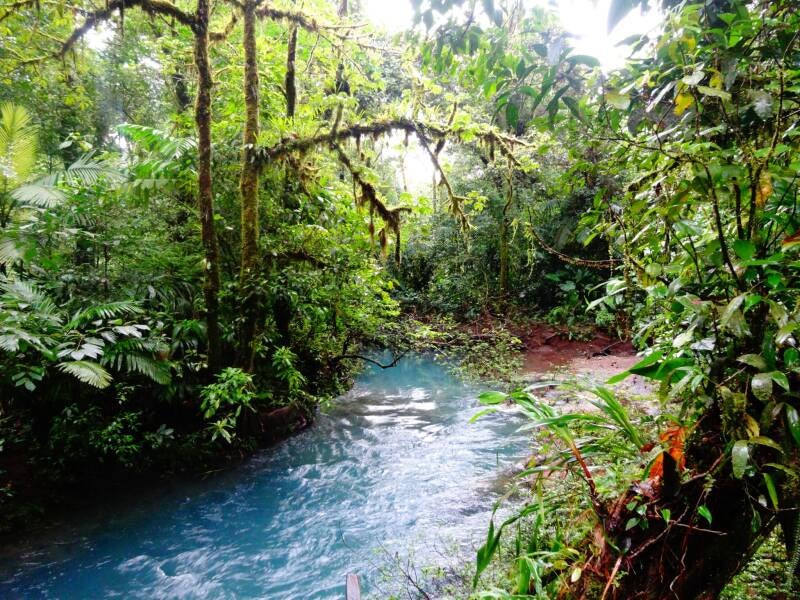
Rio Celeste in Tenorio Volcano National Park
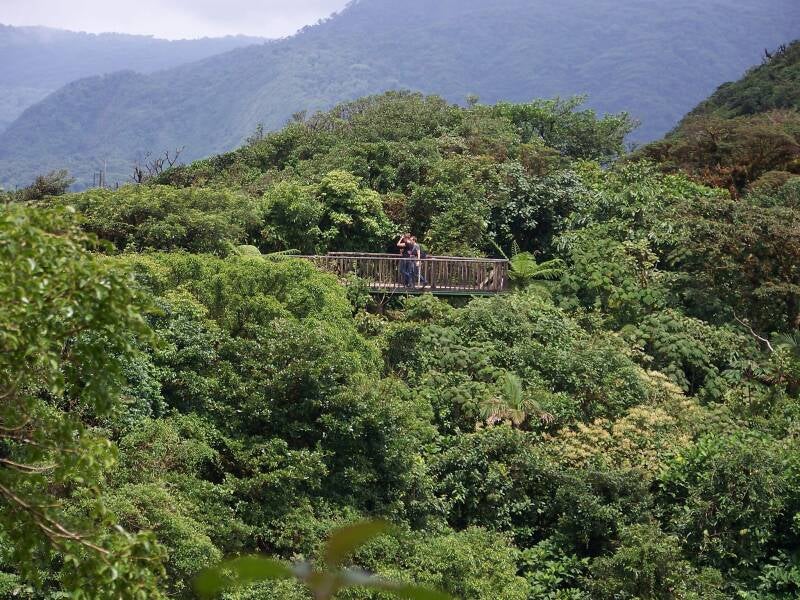
The Monteverde Cloud Forest Reserve
The Central Valley
-
Province(s): San José, Cartago
-
Vegetation: Cloud Forest, Tropical Rainforest
In the central valley you will find the biggest cities of Costa Rica, including the capital, San José. Although San José is home to some nice museums, it is not the main attraction in this region. North of San Jose you will find Poás Volcano National Park, where you have an easy walk all the way up to the crater.
Southeast of San José is the second-largest city of Costa Rica, Cartago. Again, some things to visit in the city but not the main attraction. East of Cartago you will find Irazú Volcano National Park, where, just like Poás, you will have an easy walk to witness the crater. Southeast of Cartago and a charming place to stay is Orosí, a nice town in a beautiful valley that is home to various coffee plantations. South of Orosí, the beautiful Tapantí National Park begins. Also recommended in this area is Guayabo National Monument, close to the Turrialba volcano, which is an archeological site of a pre-Columbian settlement. When you have time to spare, you can visit Ujarras with the ruins of a 17th-century colonial church. Both Orosí and Ujarras have a lookout point that offers a great view over these beautiful valleys. Read The North Central Valley and The South Central Valley page for more information.
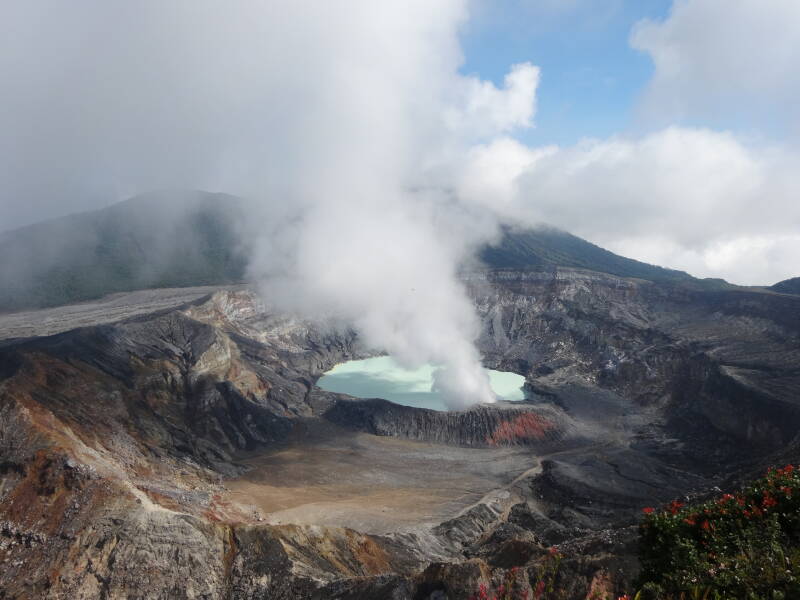
The Poás Volcano National Park

The Guayabo National Monument

Ruins of a 17th-century colonial church at Ujarras
Pacific Costa Rica
Guanacaste
-
Province(s): Guanacaste
-
Vegetation: Tropical Dry Forest
Guanacaste is the driest region of Costa Rica, and the second international airport of Costa Rica can be found near the town of Liberia. Guanacaste is home to some famous resorts like the Four Seasons, Riu Guanacaste, Marriott Resort & Spa, Secrets Papagayo, and Dreams Las Mareas. However, if you're not into all-inclusive resorts, there are some nice places to visit along the Pacific coast of Guanacaste, like Playas del Coco, Playa Hermosa, and Playa Ocotal. Further south you will find Brasilito with Playa Conchal and Tamarindo with Playa Tamarindo and Playa Langosta. There are various national parks in Guanacaste, but I would like to name two. Rincón de la Vieja National Park is located north of Liberia. This park is home to several volcanoes, of which one is active, and has nice and accessible hiking trails from which you can witness various types of volcanic activity. Palo Verde National Park is located south of Liberia. A beautiful tropical dry forest and wetland sanctuary. Read the Guanacaste page for more information.
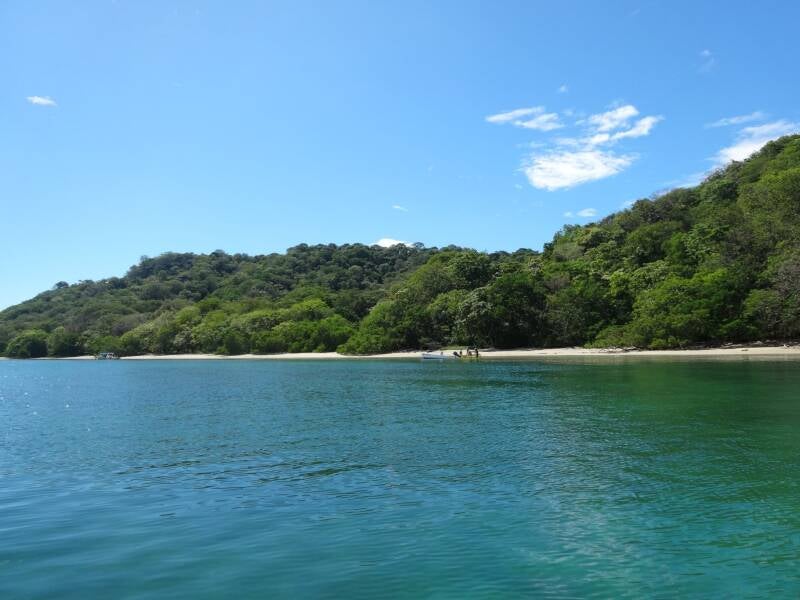
Bahia Culebra

Playas del Coco
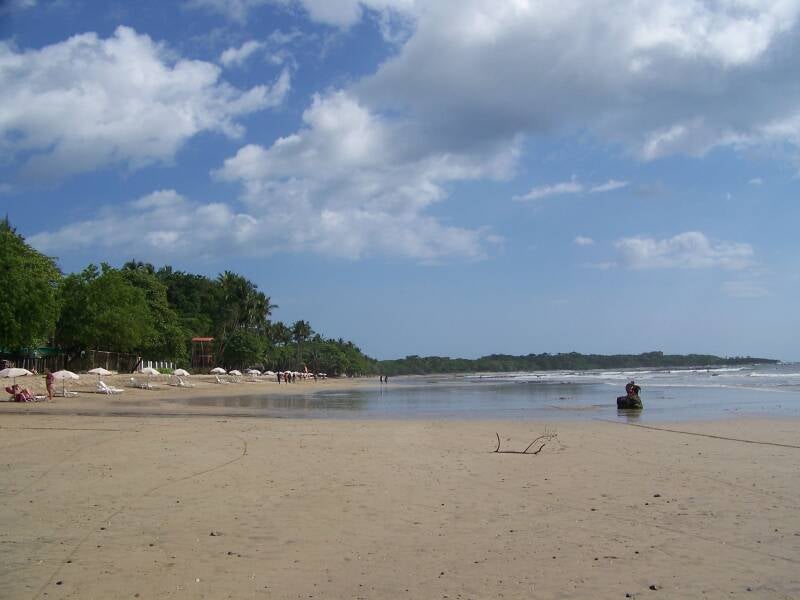
Tamarindo
The Nicoya Peninsula
-
Province(s): Guanacaste, Puntarenas
-
Vegetation: Tropical Dry Forest
The Nicoya Peninsula is a favorite on the Pacific side if you are looking for some nice, laid-back coastal towns with a more bohemian lifestyle in an area full of nature and nice beaches. Your first stop when traveling the peninsula might be the town of Paquera, from which you can visit Refugio de Fauna Silvestre Curu. Here you can book a tour to Isla Tortuga, a beautiful bounty island where you will be able to spend a nice part of your day. Further west, Montezuma is a nice place to stay and relax. From Montezuma, you can hike to the Montezuma waterfall or visit Cabuya with the Cabuya Island Cemetery. From the Cabuya area, you can hike the Cabo Blanco Natural Reserve.
Northwest of Cabo Blanco you will find Santa Teresa with numerous nice beaches like Playa Santa Teresa, Playa Carmen, Mal Pais, and Playa Cuevas. Another great place to stay with the same kind of vibe, but further up north, is Samara. Another reason why you might want to stay in Samara is that it is within a one-hour drive from the Ostional Wildlife Refuge if you want to go turtle watching. Read The Nicoya Peninsula and the Southwest Guanacaste page for more information.
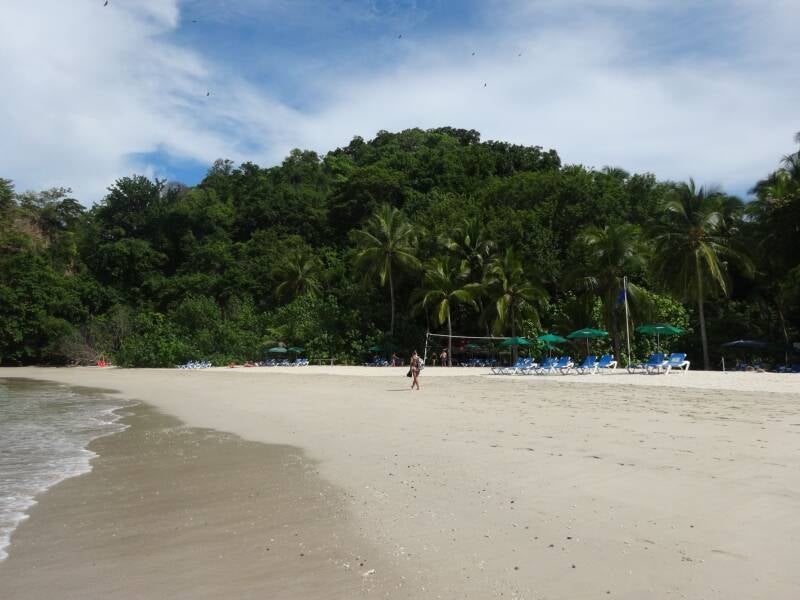
The bounty island Isla Tortuga
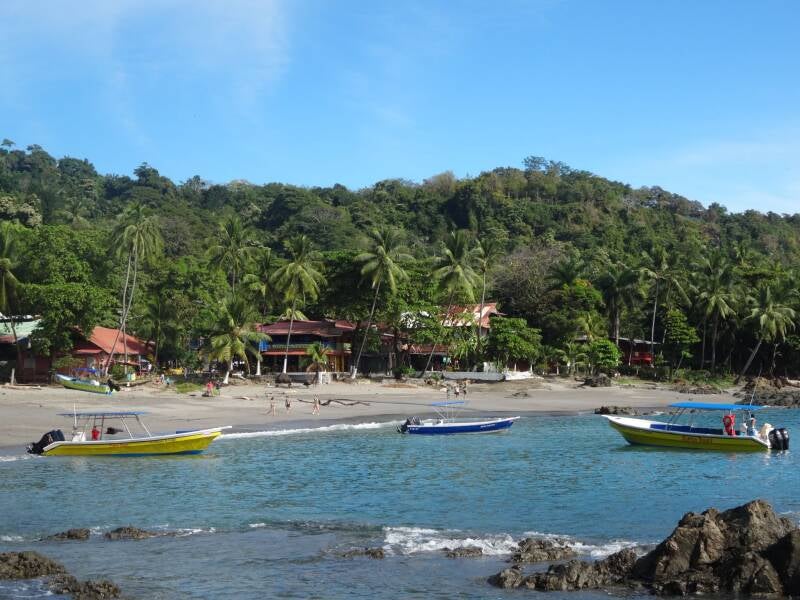
Montezuma town and beach
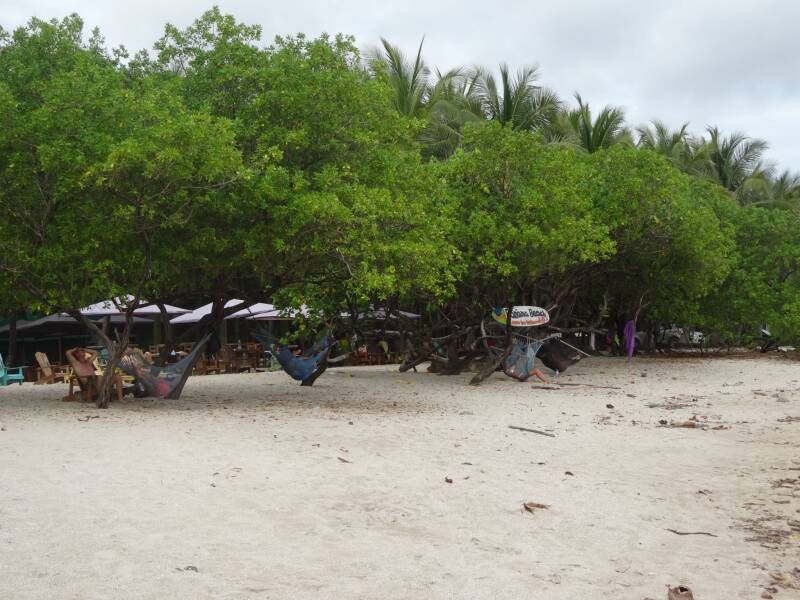
Relaxing beach vibes at Santa Teresa
Central Pacific
-
Province(s): Puntarenas
-
Vegetation: Tropical Dry Forest, Cloud Forest, Tropical Rainforest
Moving down south, you will find the town of Puntarenas with the ferry from and to the Nicoya Peninsula, and further south, the surf town of Jaco, known for its nightlife. The beaches in this area are the closest to the capital, San José, and therefore popular with locals to visit during the weekend or holidays. To get to Jaco, you will cross a bridge over Rio Tarcoles. You will recognize this place, as there are several souvenir shops at the beginning of the bridge and a lot of tourists walking on the side. The reason is that you can see a lot of crocodiles from this bridge. You are able to take a crocodile safari tour from the nearby town of Tarcoles. Nearby is the easily accessible Carara National Park.
The main attraction in this region, however, is Manuel Antonio National Park, one of the oldest national parks in Costa Rica. The park is easily accessible, but be aware that it can be crowded during high season, and reservations must be made. Read The Central Pacific page for more information on this region.
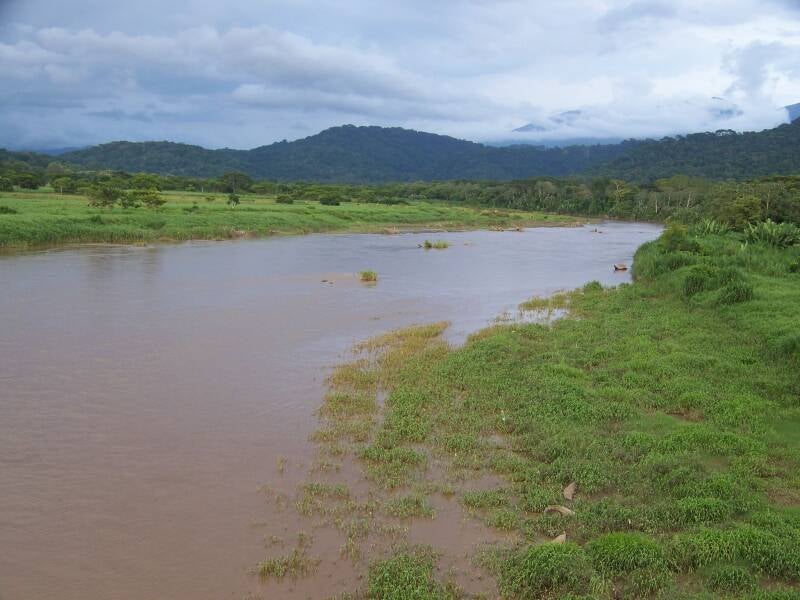
The "crocodile river" Rio Tarcoles
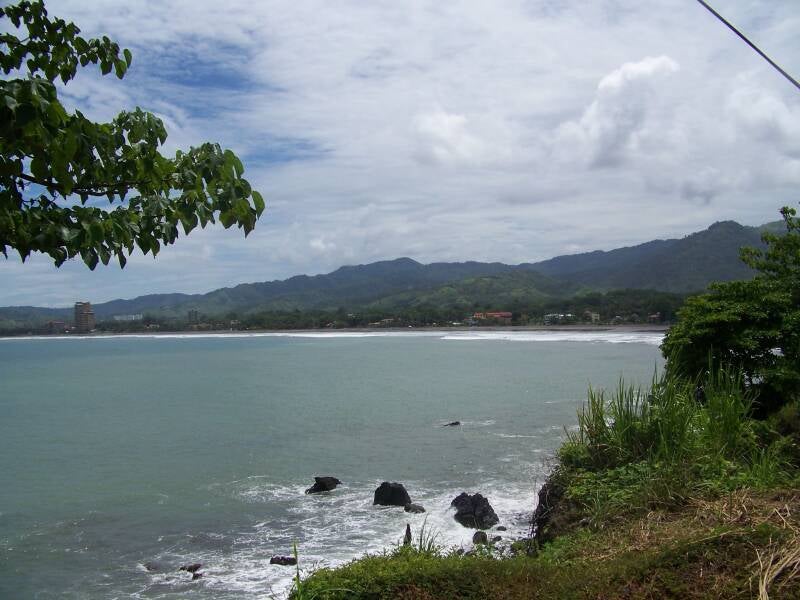
The Jaco viewpoint
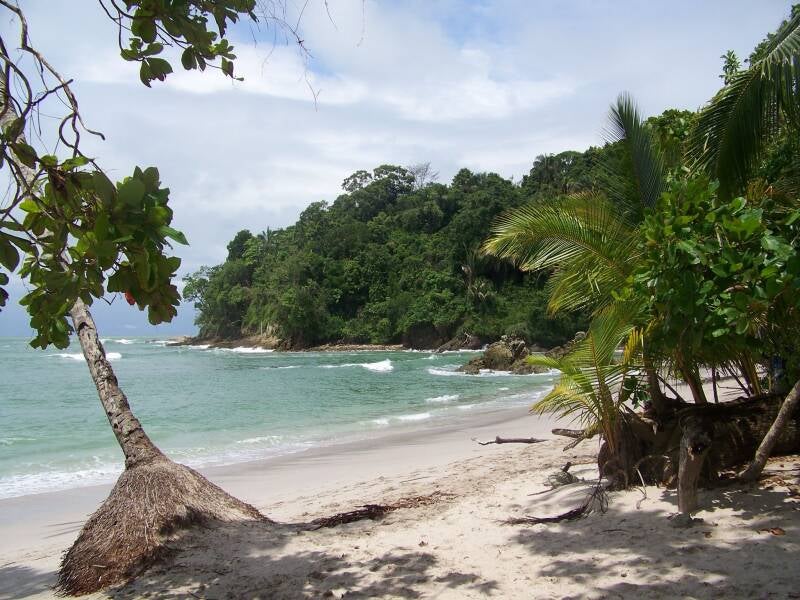
Beautiful beaches at Manuel Antonio National Park
South Pacific
-
Province(s): San José, Puntarenas
-
Vegetation: Tropical Rainforest
Moving down the coastline from the central Pacific, you will get to Dominical, a laid-back, surf-vibed town and a great stop when going to or coming from the Osa Peninsula in the south. Further down you will find Uvita with Marino Ballena National Park, with the characteristic Punta Uvita, a beach shaped in the form of a whale's tail.
Down south on Peninsula de Osa, there is one of the most impressive and adventurous national parks of Costa Rica, Corcovado National Park. One of the best places to experience Corcovado is from Bahia Drake. There are several hiking trails in the surroundings of Drake Bay, and you can arrange for guided hikes in Corcovado. You can get to Drake Bay by boat from Sierpe. Or you can drive there by yourself, although the last part to Drake Bay on the peninsula is recommended with a 4WD and not during September and October, when the rainy season reaches its peak in the South Pacific. This region is also famous for whale watching and mangrove tours. Read The South Pacific and The Osa Peninsula page for more information on this region.
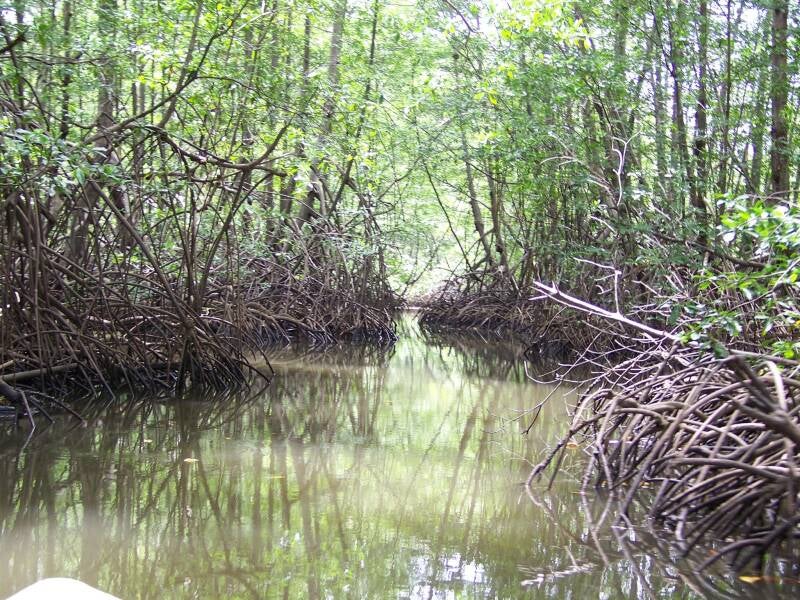
Mangroves at Sierpe
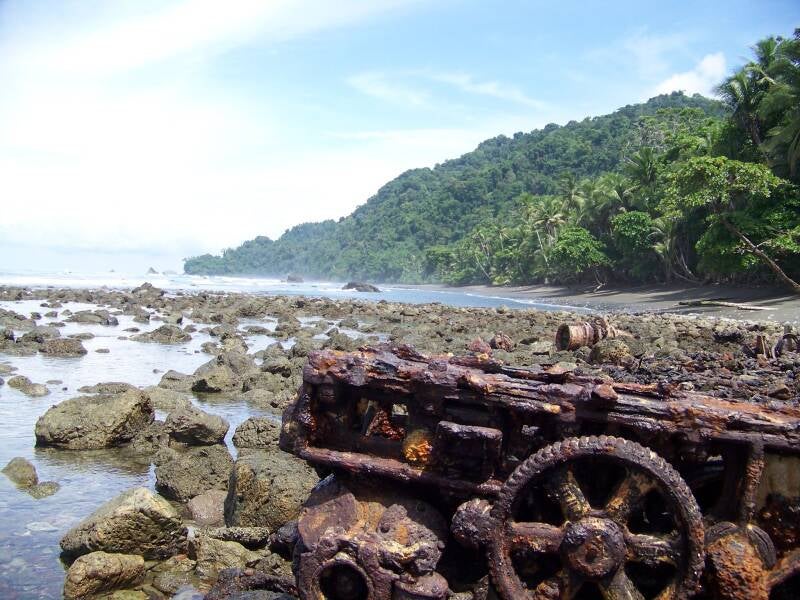
Corcovado National Park
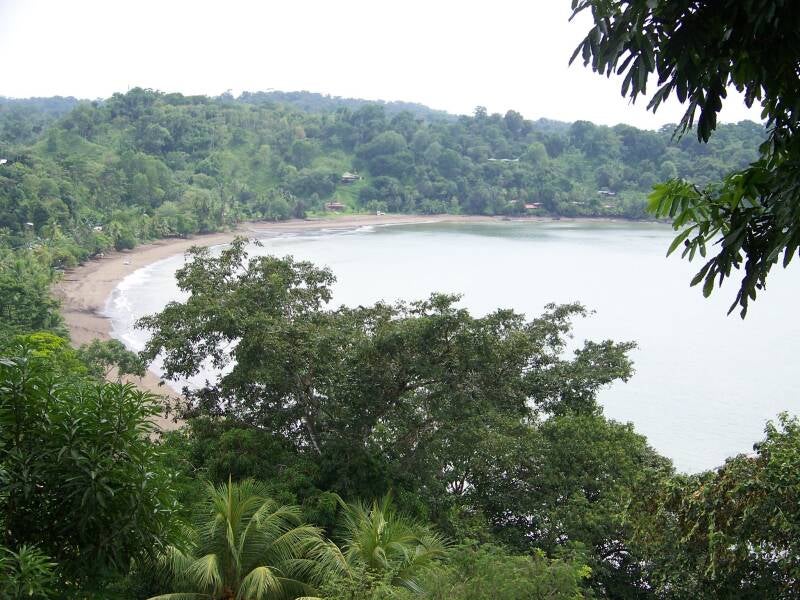
View over Drake Bay
What to Explore next
-
Now that you have had a brief introduction to the regions of Costa Rica, explore them into detail on the Explore pages.
-
Curious about how seasons and weather affect these regions throughout the year? Check out the Seasons page.
-
Planning an itinerary and want help on connecting the dots between the different regions and highlights? Check out the Itineraries page.