

Traveling by Car
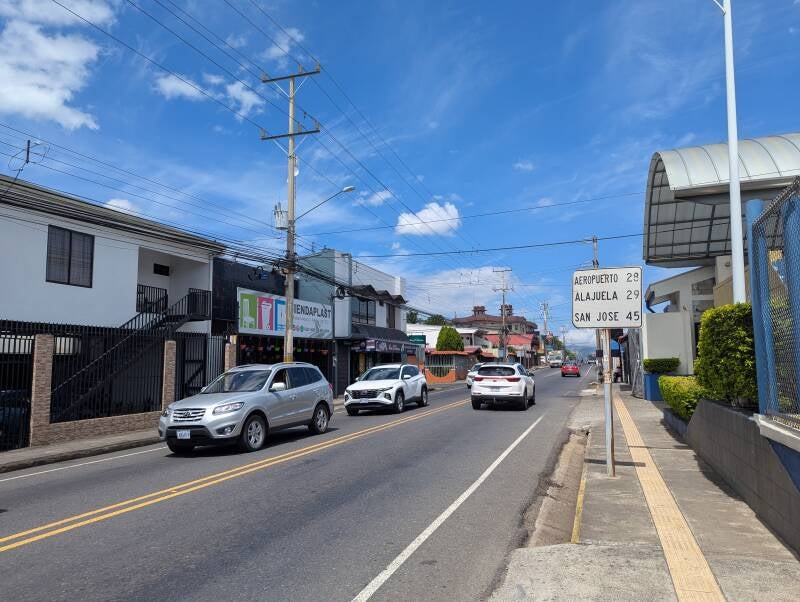
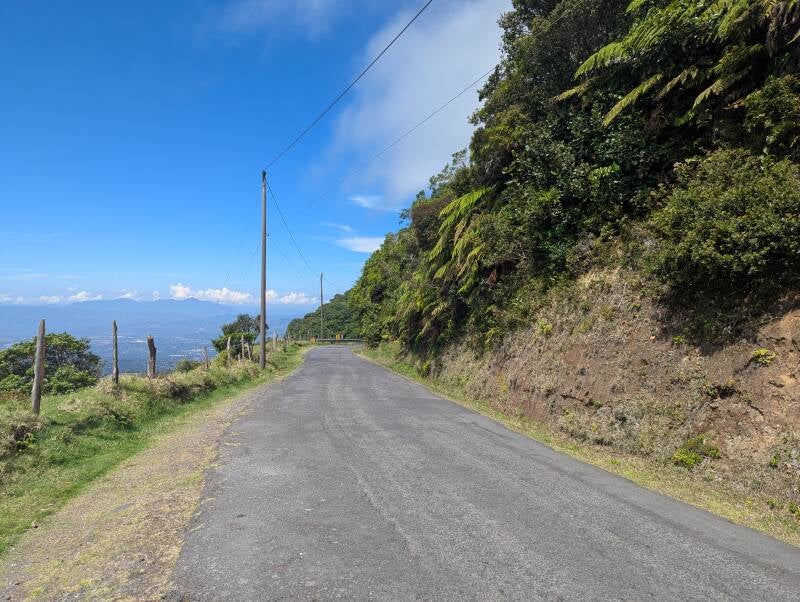
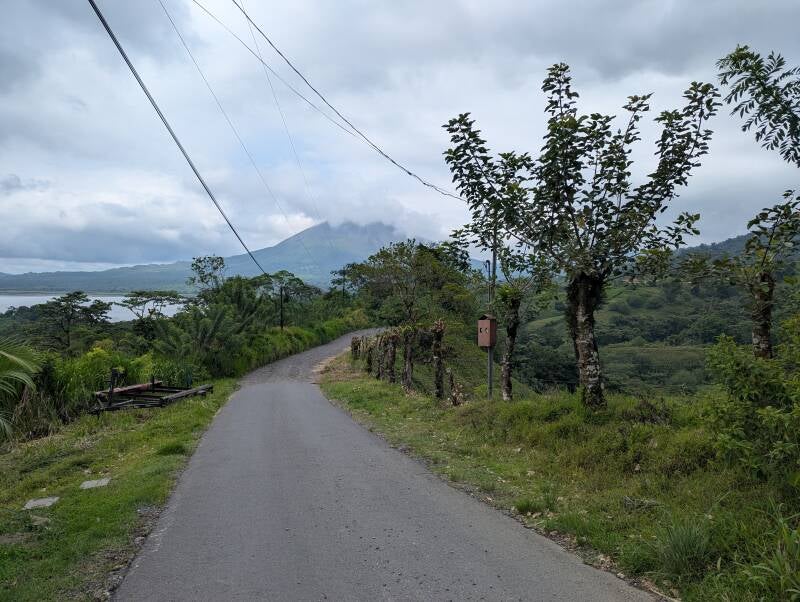
Traveling by car can be an exciting and rewarding experience, offering the freedom to explore at your own pace. Costa Rica is ideal to drive by yourself. The main roads are okay. You will get to most tourist areas without issues. However, being prepared is important because driving in Costa Rica is challenging at times, with gravel roads, windy mountain roads, and unpredictable weather conditions.
Driving in Costa Rica
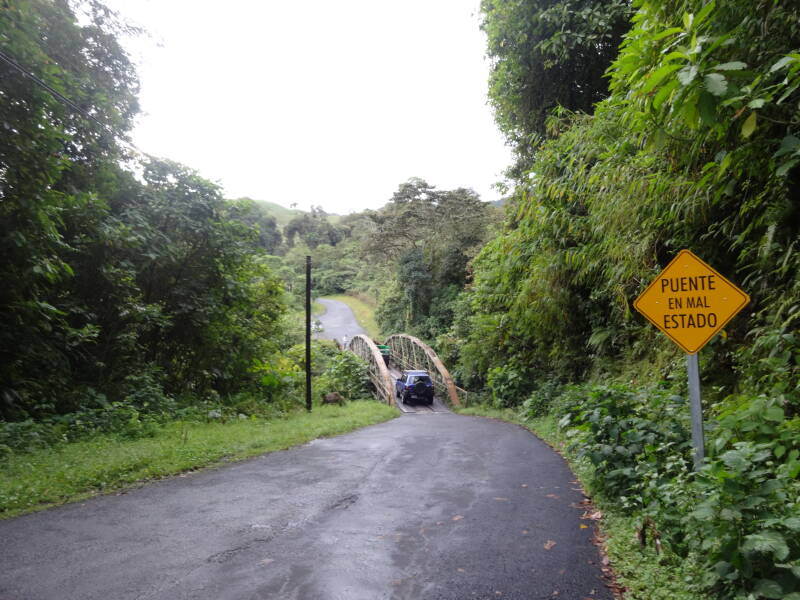
Main roads in Costa Rica are okay to drive, and you will get to most touristic areas without issues. Secondary roads are more challenging and note that the final part from the main road to your accommodation might be difficult or even require a 4WD in some cases. Rainy season definitely affects road conditions and some secondary roads also contain River crossings.
People often ask if it is okay to drive in Costa Rica. In my opinion, yes, but you should take the following into account:
Road Conditions
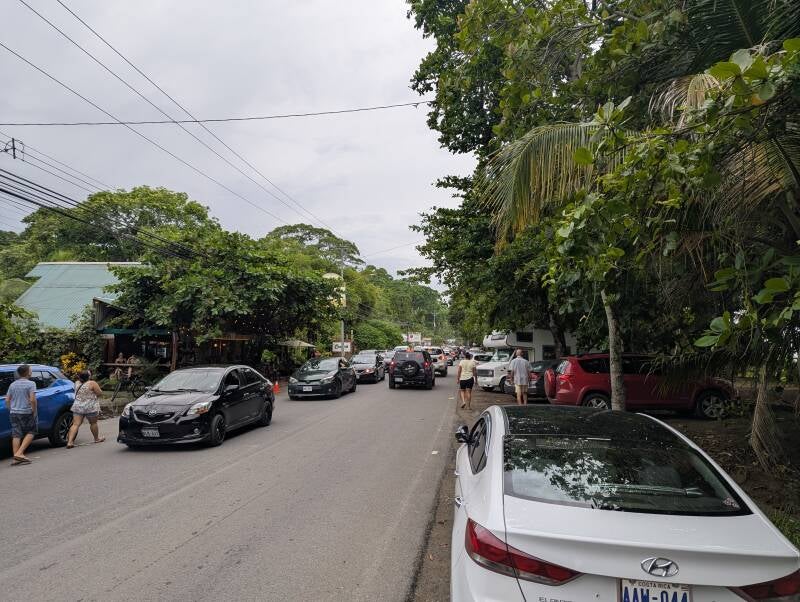
- Lots of roads have one lane per direction. Be careful with passing cars and trucks in front of you, especially on windy mountain roads.
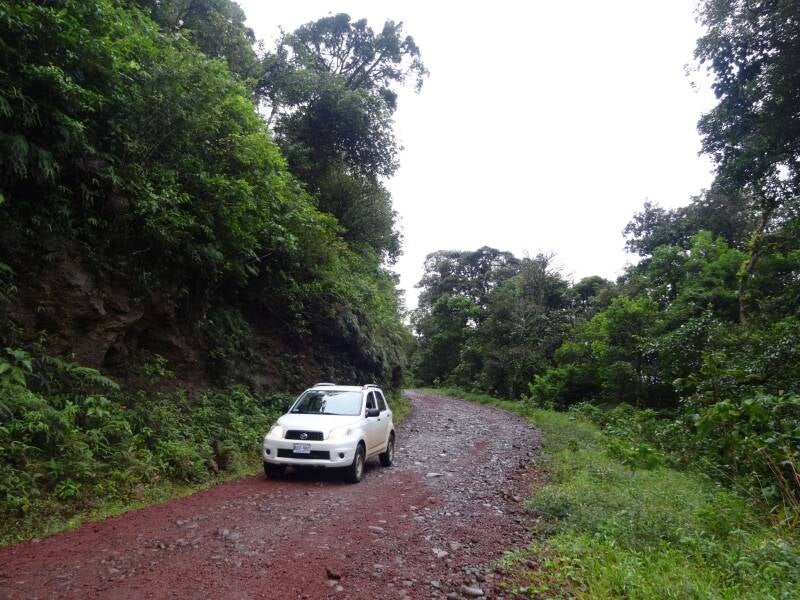
- Secondary roads can be gravel roads or asphalt roads in bad condition with lots of potholes.
- At approximately 6PM, it gets dark in Costa Rica, most roads do not have streetlights, and secondary roads lack clear markings, making it challenging to drive at night.
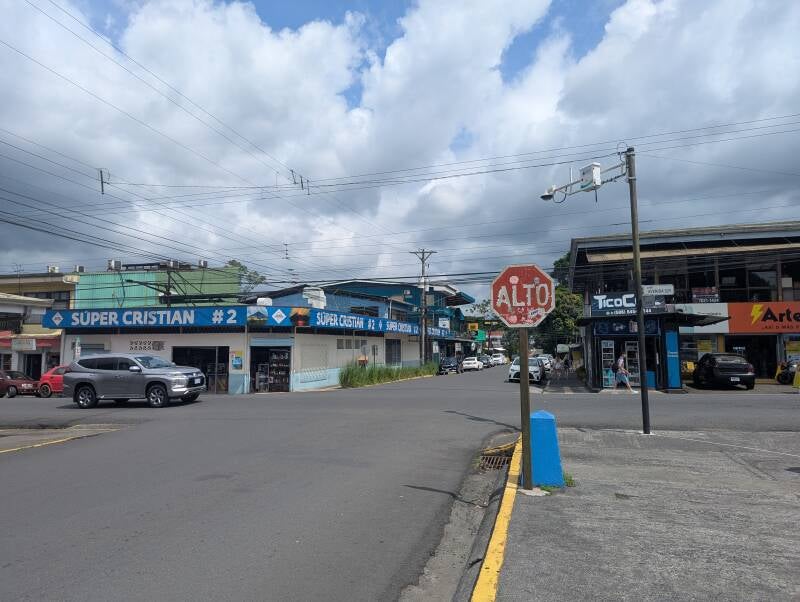
- Be aware of speed bumps (reductors) that you will often encounter when driving through towns and near schools. They are not always well indicated.
- Lane closures die to maintenance are not always well marked.
- Always check what kind of roads and weather conditions you can expect for your trip. In many cases, a 2WD car with high clearance will be sufficient. If you are planning for the more adventurous or the heavy months of the rainy season, a 4WD car is advised.
Driving Conditions
- Weather is an important factor while driving in Costa Rica. Heavy rains and foggy conditions are to be expected in a tropical country.
- Be aware of motorcycles passing you on both sides of the car.
- Outside the larger cities, there are often no sidewalks and there are no separate lanes for bicycles, so be aware of people on the side of the road.
- Don't get too inspired by how locals drive; they know the road. Drive at your own pace and take your time.
- Driving through San José is terribly busy during rush hours. Ticos are friendly and patient people, but this does not always apply to their driving.
- Always check beforehand what kind of roads you are going to face and which weather conditions you can expect. In most cases, a 2WD car with high clearance will be sufficient. If you are planning for the more adventurous, a 4WD car is advised.
Rules and Regulations
- As a tourist, you are allowed to legally drive when you have a valid foreign driver’s license and a passport with a valid entry stamp.
- Driving on the beach is prohibited, and any issues with your rental car caused by driving on the beach are not covered by insurance.
- Damage to the car caused by fording and off-roading is usually not covered by any rental car insurance. Even when you have full coverage, you are most likely to be held responsible for damage due to misuse.
- There are speed cameras in Costa Rica, mostly in the central valley metropolitan area, but there are also regular police checkpoints throughout the country.
- Overtaking a car while there is a solid line on the road is prohibited, and when you do this at corners or hills, the ticket you will get will ruin your vacation. The same goes for excessive speeding, driving under influence, ignoring a red light or stop sign, or not using appropriate seating for your kids (always check requirements with your rental company). Do not be surprised to get a ticket ranging from $500 to $700.
- Do not park your car at a yellow line. The police might take your license plates, and rental companies will charge significant amounts because of the process they have to go through to get them back.

Security
- When you make a stop along the way, make sure that your luggage is out of sight and always take your important belongings with you. National parks and other well-visited tourist destinations might have guarded parking lots.
- Lock your car manually with the key instead of using the remote buttons. Thieves are able to copy the remote signal from your key and can easily open your car.
- You might also encounter public parking lots where self-assigned attendants help you pick a spot and watch over your car. These people are called “wachiman.” Even though it is a public parking area, it is common to give these unofficial attendants a small tip of 500 to 1000 colones. In most cases, it is their only income.
Scams & Bribes
- Be aware of scams. For example, when you find your car with a flat tire, be vigilant when people offer help. While most people genuinely want to help you, this is also a well-known scam. When the person who offered to help you is changing the tire with you and distracting attention, a second person takes valuables out of the car.
- Note that the Costa Rican police is considered a professional force, intolerant towards corruption. Bribery is illegal and strongly discouraged. Offering a bribe can lead to serious legal trouble.
- If an officer implies a bribe, do not engage. I know it is easy to say when someone with authority is holding your passport or driver's license, but the best way to deal with this is to ask for a written ticket. You have the right to request a formal ticket (boleta) for any infraction, and tickets are not paid in cash to the officer but at authorized banks or via an online system called COSEVI. When you tell this to the officer you show that you know how the systems works.
River Crossings & Fording
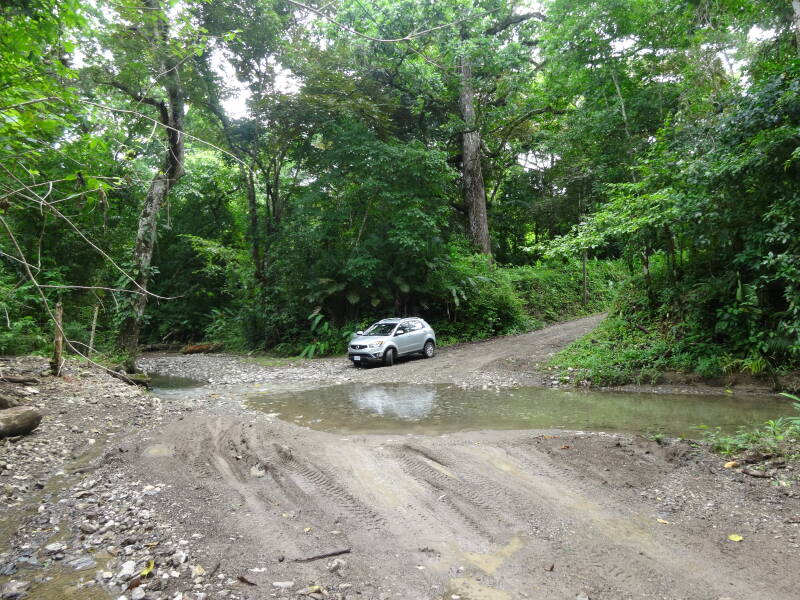
In Costa Rica it is not uncommon to encounter roads with river crossings in certain areas such as the Nicoya Peninsula and the Osa Peninsula. Crossing through a river is called fording. Be aware that although a road goes through a river, this does not automatically mean that you or your car is able to ford it. Most river crossings might be okay to ford during the dry season but are a no-go during the rainy season. Brownish water is a clear sign of raised water levels due to rainfall. These secondary roads, however, might provide you with beautiful scenery and get you to more secluded places, which might make it hard to resist them.
When you want to attempt taking secondary roads, it's helpful to check beforehand with locals at your accommodation if the route is accessible at that moment. Damage to your rental car caused by a failed fording attempt is not insured, even when you have full coverage. Cars these days are full of high-tech, and although you might make it to the other side, water entering the engine might cause damage to electronic components, leaving you stranded nonetheless.
Planning and Navigating
For planning your trip, you can use Google Maps to get an idea of how to get from A to B, but you might add 25% of transit time to get a more reliable estimate. Check out the Routes & Roads page for maps and detailed information on how to get to the different regions and their main highlights. Planning to visit the Caribbean side of Costa Rica, chances are that you are going via ruta 32. Read more about this beautiful but infamous highway at the Ruta 32 to the Caribbean page. To navigate in Costa Rica, Waze is recommended and used by a lot of locals. Most rental companies provide the option to have a Wi-Fi spot with your car, so you will have internet access while being on the road. You can also get a Costa Rican SIM or eSIM for your phone.
What to Explore Next
- Read more about how to stay connected in Costa Rica on the Stay Connected page.
-
For information and tips on renting a car in Costa Rica, check the Renting a Car page.