

Guanacaste
Guanacaste, located in northwestern Costa Rica. One of the most iconic features of Guanacaste is its dry tropical climate, which distinguishes it from the rest of Costa Rica. This unique climate fosters a distinct ecosystem, with unique flora and fauna adapted to the region's conditions. You can explore this beautiful nature at Rincón de la Vieja National Park, Santa Rosa National Park, and Palo Verde National Park. Guanacaste is also home to many beautiful beaches, such as Tamarindo, Playa Conchal, Playa Flamingo, Playas del Coco, and Playa Hermosa.
This page contains affiliate links to Booking.com, Hostelworld, and Tripadvisor. If you click through and make a booking, I may earn a commission at no additional cost to you.
Climate & Vegetation
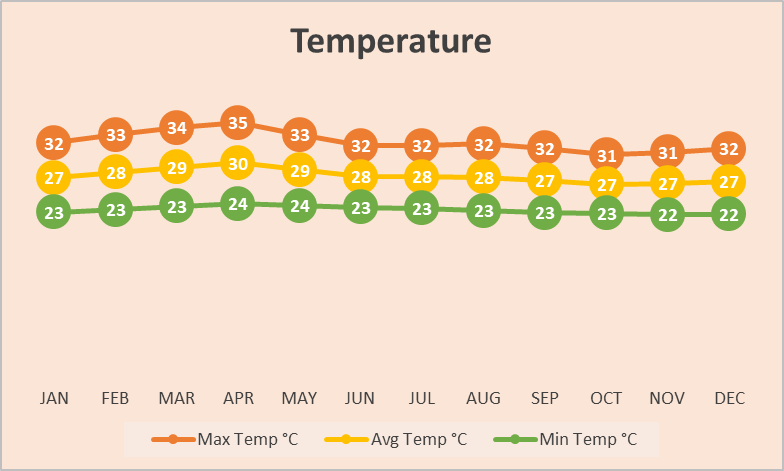
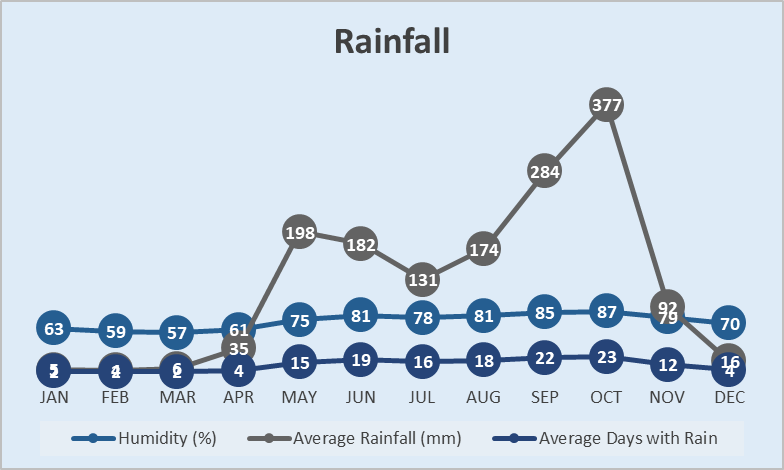
Guanacaste has a tropical savanna climate characterized by distinct wet and dry seasons. The province experiences a dry season from December to April. Although you can still expect rain during the dry season in Costa Rica, this period in Guanacaste is marked by hot temperatures and little to no rainfall, being the driest region of the country. The rainy season runs from May to November, but again, although rains are more frequent and increase in intensity towards the end of the rainy season, it remains one of the drier regions. Guanacaste is known for its tropical dry forests, which are adapted to the dry weather conditions. You'll find a variety of deciduous trees and shrubs, such as the iconic Guanacaste tree (Enterolobium cyclocarpum), after which the province is named.
Temperature and rainfall data are long-term averages, and "rainy days" doesn't reflect how long it rains each day. Because weather naturally varies each year, predictions are never exact. Visit the Seasons page for more information.
Liberia
The largest town and capital of the Guanacaste province is Liberia, located approximately 215 kilometers (134 miles) northwest of the country’s capital city, San Jose. Liberia has a rich cultural heritage and is also known as the "White City" due to its colonial-style white buildings and architecture. The town traditionally relied on agriculture, particularly cattle ranching.
Tourism has become increasingly important thanks to the Daniel Oduber Quirós International Airport (LIR), which is the second-largest international airport in Costa Rica. Liberia now serves as the gateway to many popular tourist destinations in the region. I personally would not recommend this city as a must-see destination for tourists, but if you stay in town to visit nearby highlights, have some time to kill after arrival or before departure from the airport, or when passing through, Liberia will not be disappointing.
La Leona Waterfall
La Leona Waterfall is located northeast of Liberia, near the town of Curubandé de Liberia. La Leona Waterfall is a spectacular cascade of water that plunges from a height of approximately 30 meters (100 feet) into a pristine pool below. The waterfall is surrounded by dense tropical vegetation. The hike to the waterfall itself is adventurous, as it involves trekking through jungle terrain and the river leading up to the waterfall.
The only way to visit the waterfall is with a tour guide, and the total hike to the waterfall and back (round trip) takes approximately 3 hours with a total distance of 4 km (3 miles). The hike is said to be easy to moderate depending on the specific trail, but it is best to check with a tour operator which experience they offer. Check for more info on the La Leona Waterfall Adventure Hike website.
Rincon de la Vieja
Rincón de la Vieja is an active volcano located in the Rincón de la Vieja National Park, which encompasses a diverse range of ecosystems and is known for its volcanic activity, hot springs, geysers, and tropical forests. The volcano is considered one of the most active in Costa Rica, with some recent minor eruptions mostly consisting of gas and steam, which are nonetheless impressive. The national park covers an area of over 34,000 acres and was established in 1973 to protect the diverse ecosystems surrounding the volcano and is home to a wide variety of wildlife.
The national park offers a network of hiking trails that lead through rainforests, over lava fields, and to scenic viewpoints. Las Pailas and the Santa Maria Ranger Station are the most common access points and provide trails of various lengths to some of the park's geothermal areas. Las Pailas is closed on Mondays, while Santa Maria is closed on Tuesdays and Wednesdays.
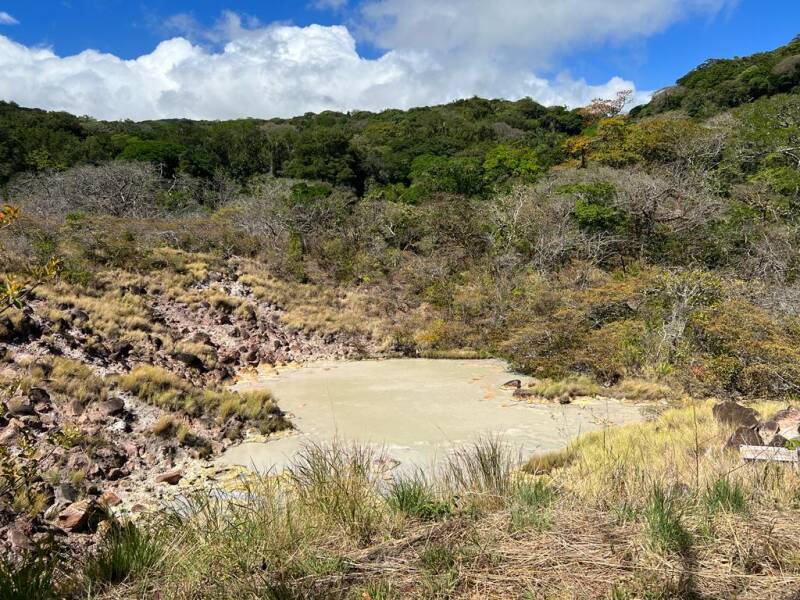
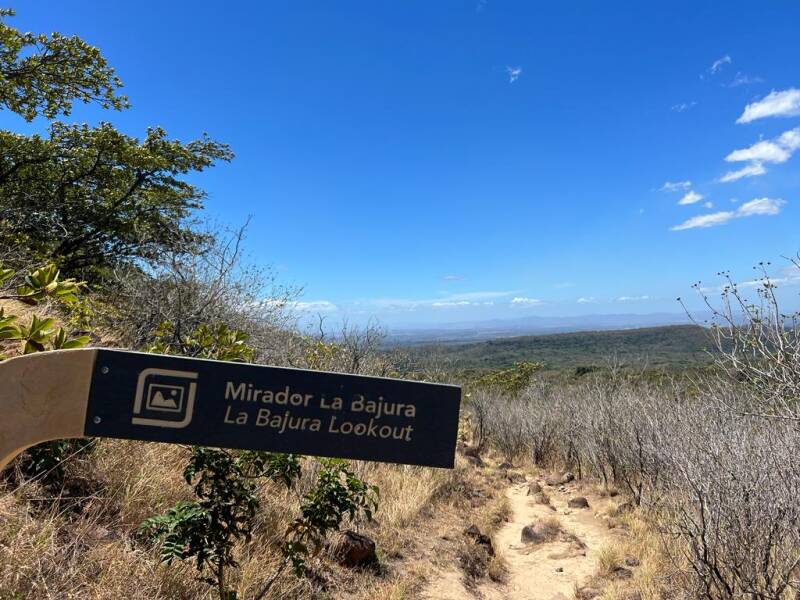

Credits for the photos of Rincón de la Vieja National Park: Familia Santamaría Calderón
Llanos de Cortes Waterfall
Llanos de Cortes Waterfall is situated near the town of Bagaces near the Pan American Highway (Ruta 1), approximately 30 minutes driving from Liberia, and is known for its wide curtain of water that spans about 12 meters (40 feet) across and drops into a large pool. What sets it apart is the natural amphitheater formation created by the rocks behind the waterfall, which offers a unique and picturesque backdrop.
There are also hiking trails that lead to viewpoints overlooking the waterfall and surrounding landscape. In contradiction to La Leona Waterfall, Llanos de Cortes is easily accessible with just a short 5-minute hike downhill from the parking lot. The natural pool is quite large and has a sandy shore across the waterfall. Due to the short hike to the large natural pool with shallow waters and a sandy shore, this is an ideal spot to visit with children.
Explore Liberia
- ✧ The Llanos de Cortes Waterfall, is easy accessible with just a short 5-minute hike downhill from the parking lot. Located near Liberia you can visit the waterfall when you are staying in town, but due to the easy accessibility you should definitely consider visiting this waterfall as a short stop when you are on your way from for example Liberia to La Fortuna or Monteverde.
- ✧ The La Leona Waterfall, this waterfall is located in the town of Curubandé in the direction of Rincón de la Vieja National Park. This beautiful waterfall with turquoise blue waters can be visited thourgh a bit of an intensive hike which inlcudes wading thourgh the river leading up to the waterfall.
- ✧ Visit Rincon de la Vieja National Park and its surrounding area. Hike the trails of the national park, undertake some more adventurous activities like ziplining or horseback riding, or relax at one of the hotsprings.
✓: Based on experience | ✧: Based on research. Follow the links to check recent visitor photos and reviews on Tripadvisor.
Where to Stay
- ✧ Hostel el Pretal is affordable and conveniently located in the city center of Liberia. They offer both rooms with private bathroom as budget rooms with shared bathroom. The hosts are very friendly and helpful and the hostel has an excursion desk. Check out Hostel El Pretal on Booking.com for great deals!
- ✧ If you are looking for a luxurious jungle stay you definitely need to check out the Rio Perdido Hotel. This hotel is located an hour driving from Liberia in the direction of La Fortuna and in the middle of the jungle. The hotel has a great restaurant, on-site hiking trails and a thermal river with hot-spring pools. Various tours are available from the hotel. This place is definitely honeymoon material. Check out Rio Perdido Hotel on Booking.com for great deals!
- ✧ The Hacienda Guachipelin Hotel & Tours is a great hotel with lots of activities on site as well as tours and activities in Rincon de la Vieja National Park. Check out Hacienda Guachipelin on Booking.com for great deals!
Search for the best accomodations on Booking.com and Hostelworld. These links are preset to Liberia.
Tamarindo
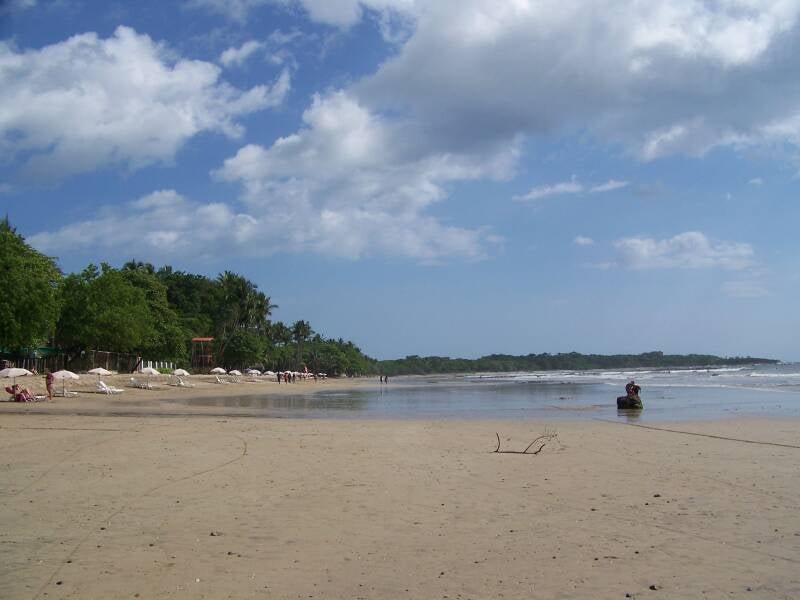
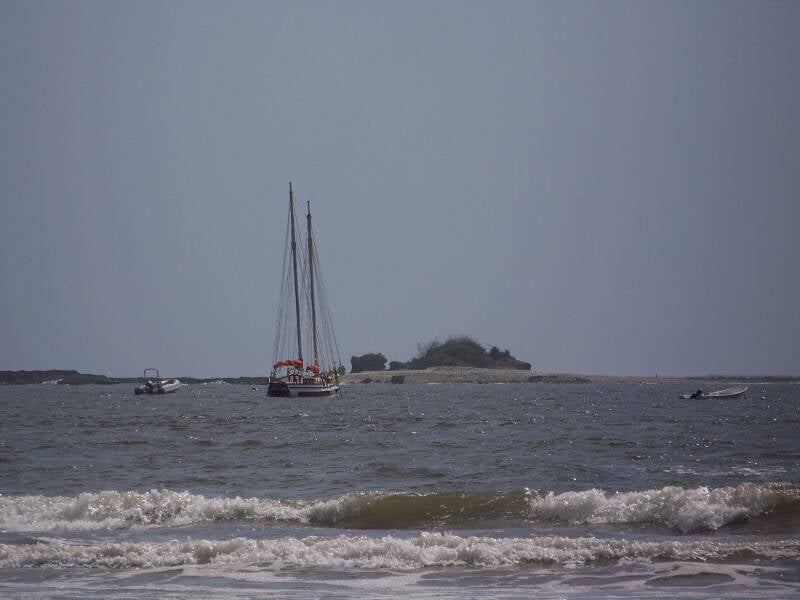
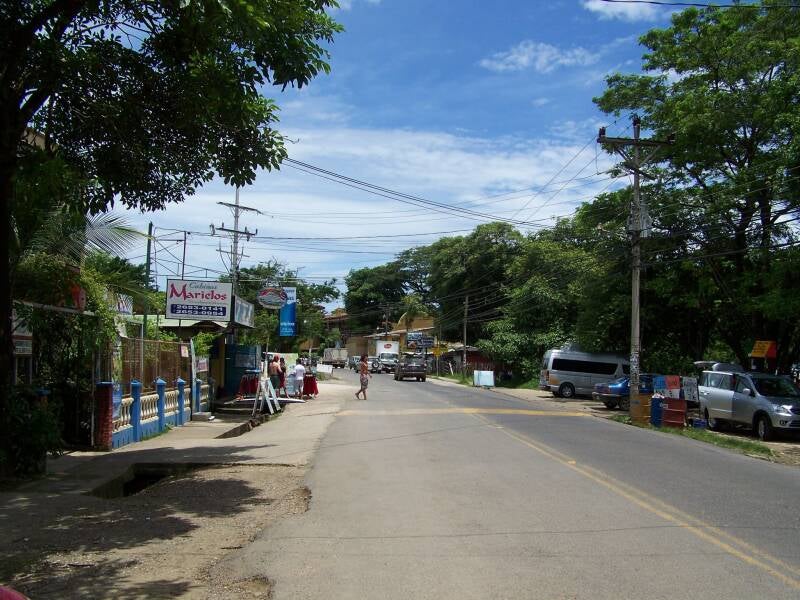
Tamarindo is a popular coastal town and has a vibrant surf culture. It is easy to access, just a one-hour drive from Daniel Oduber Quirós International Airport near Liberia. The town is known for its beautiful beaches, with Playa Tamarindo being the most famous one. The beach offers excellent waves for both beginners and experienced surfers, and there are plenty of surf schools and rental shops in the area, making it accessible for those looking to learn or improve their surfing skills.
Tamarindo has a lively nightlife scene with numerous bars, restaurants, and clubs. For me, the downside of Tamarindo is that it is so touristic in such a way that it does not feel like you are visiting a Costa Rican beach town. This is one of the reasons that Tamarindo earned the nickname Tama-gringo. This does not mean that you will not enjoy it. If you are looking for a spot with nice beaches, plenty of surfing options, and a vibrant nightlife where you can party at night, Tamarindo might be the place for you. The surrounding area also has more tranquil accommodation options, away from the crowds.
Explore Tamarindo
- ✓ Playa Tamarindo, the beach in front of the town, great for chilling and surfing. Another popular beach nearby is Playa Langosta.
- ✧ Apami Wildlife Rescue Center, a rescue, rehabilitation and release center for wild animals located more inland.
- ✧ Canopy Vista Tamarindo, for if you are looking for a nearby Canopy tour to enjoy views of the Pacific ocean an the tropical dry forest for which Guanacaste is known.
✓: Based on experience | ✧: Based on research. Follow the links to check recent visitor photos and reviews on Tripadvisor.
Where to Stay
Search for the best accomodations on Booking.com and Hostelworld. These links are preset to Tamarindo.
The Papagayo Peninsula
Playas del Coco & Playa Hermosa
Playas del Coco and Playa Hermosa are two popular beach destinations at the Golfo de Papagayo in Guanacaste, situated approximately 20 kilometers (12 miles) west of Liberia. Playas del Coco is the liveliest beach town of the two, with a lively nightlife scene with bars and restaurants. If you are a water sports enthusiast, you can enjoy activities such as snorkeling, scuba diving, fishing, and sailing.
Playa Hermosa, which means beautiful beach in Spanish, is located next to Playas del Coco, with calm waters, making it an ideal spot for swimming and sunbathing. Playa Hermosa is a more quiet and laid-back destination compared to Playas del Coco, making it a popular choice if you are looking for a tranquil beach experience. Water sports such as kayaking, paddleboarding, and fishing are also popular activities here.


Bahia Culebra
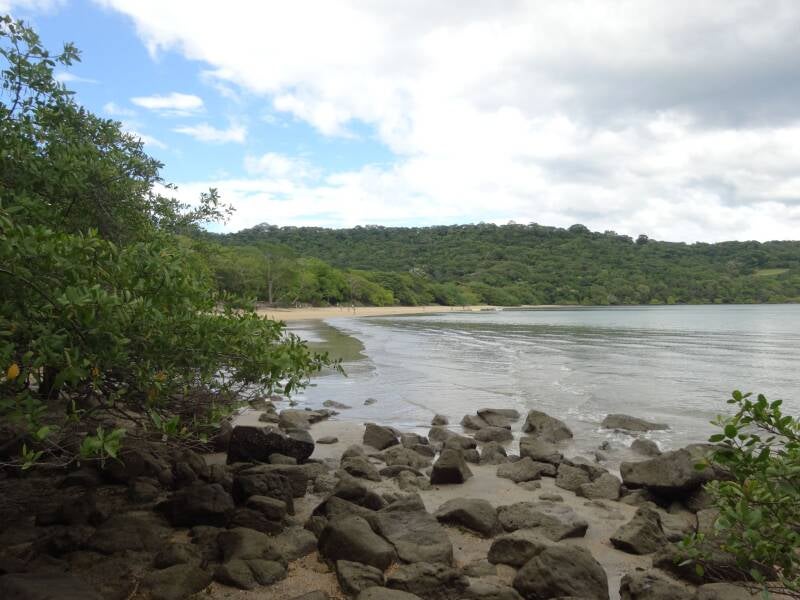
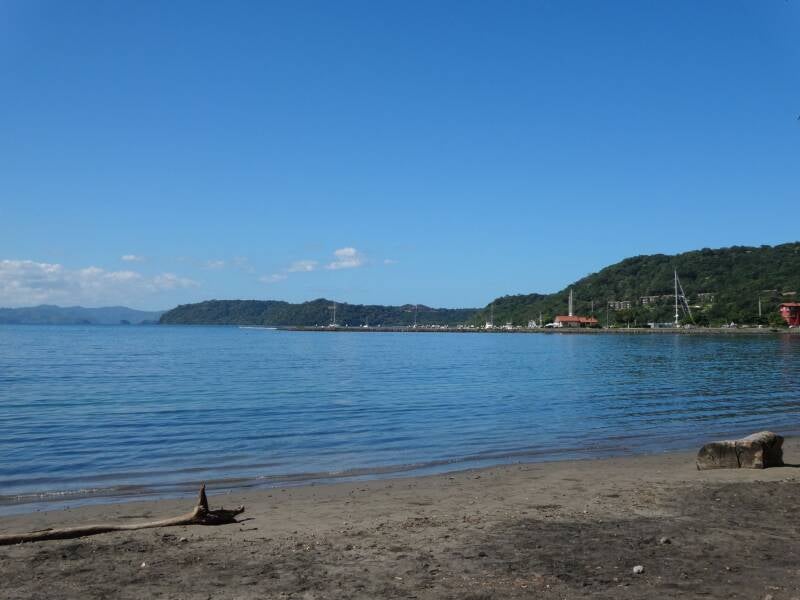
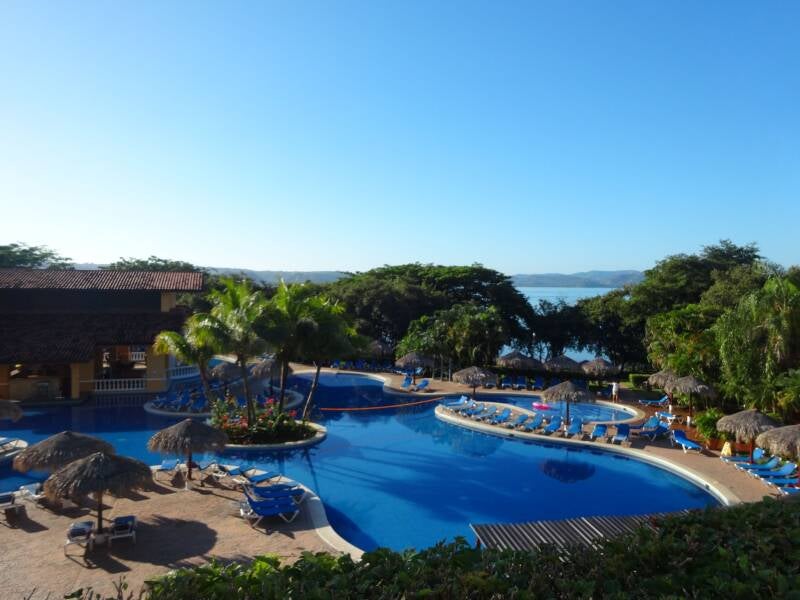
Also located at the Golfo de Papagayo, north of Playas del Coco and Hermosa, is Bahía Culebra, also known as Culebra Bay. Bahía Culebra is a picturesque bay with various nice beaches. The area is mainly a luxury resort and tourism development area. It offers high-end accommodations and various all-inclusive resorts like Secrets Papagayo, the Four Seasons Peninsula Papagayo, the Occidental Papagayo, and Planet Hollywood.
The bay is a popular destination for sport fishing. It offers excellent opportunities to catch a variety of fish species with many charter boats and fishing tours that operate in the area. If you want to visit Costa Rica but want to stay all-inclusive in a short distance from an international airport. Bahia Culebra is definitely an area you should look into.
Explore the Papagayo Peninsula
- ✓ Enjoy the beach and the town of Playas del Coco. Boat, snorkeling and fishing trips are available in the area.
- ✧ Visit Cafe Tio Leo, besides getting a great cup of Costa Rican coffee you can learn about Costa Rican culture, agriculture, coffee and chocolate.
- ✓ Playa Hermosa, a lovely less developed beach near Playas del Coco or visit the more secluded and lesser known beautiful Playa Penca.
✓: Based on experience | ✧: Based on research. Follow the links to check recent visitor photos and reviews on Tripadvisor.
Where to Stay
Search for the best accomodations on Booking.com and Hostelworld. These links are preset to Playas del Coco.
What to Explore Next
- The southwestern part of Guanacaste is described separately at the Southwest Guanacaste page.
- East of Guanacaste you will find The Northern Zone with lush rainforests, volcanos, and cloud forests.
- South of Guanacaste you will find The Nicoya Peninsula with wonderful beaches and Bohemian beach towns.
- South-east of Guanacaste you will find The Central Pacific with nice beaches and the most famous national park of the country.