

The North Central Valley
Costa Rica's Central Valley stretches from San Ramón in Alajuela to Paraíso in Cartago, framed by the volcanic Cordillera Central to the north, home to the volcanoes Poás, Irazú, and Turrialba, and the rugged Cordillera de Talamanca to the south. This page describes the northern part with the capital San José, Alajuela, the beautiful Bajos del Toro, and Grecia.
This page contains affiliate links to Booking.com, Hostelworld, and Tripadvisor. If you click through and make a booking, I may earn a commission at no additional cost to you.
Climate & Vegetation
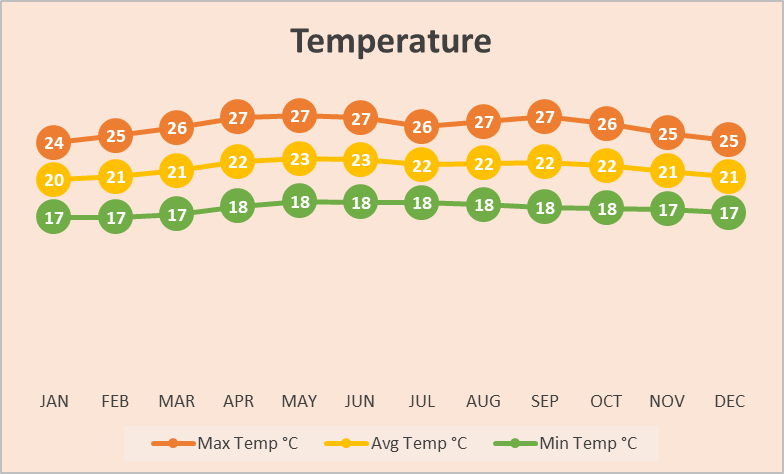
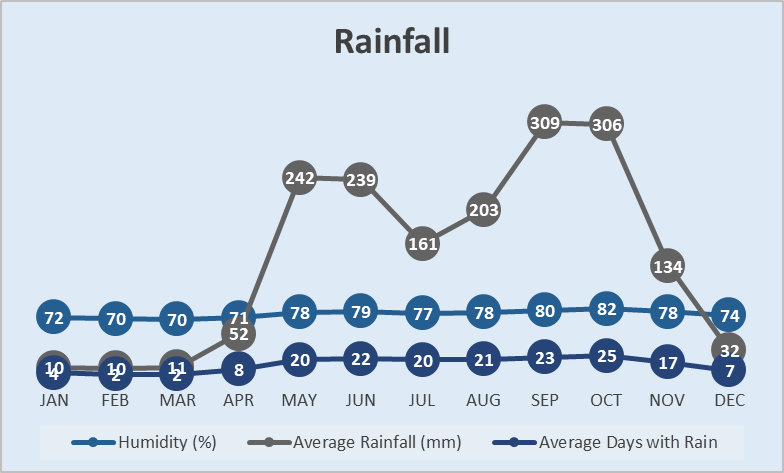
The Central Valley enjoys a mild year-round climate, with temperatures generally spanning 15–30°C (mid-60s to low 90s°F), though higher mountain areas like the Poás Volcano get considerably colder. While conditions vary by location, the region follows a clear seasonal pattern: a dry spell runs from December to April (peak dry in January and February), followed by a rainy season from May through November (peak wet in September and October).
Temperature and rainfall data are long-term averages, and "rainy days" doesn't reflect how long it rains each day. Because weather naturally varies each year, predictions are never exact. Visit the Seasons page for more information.
San José
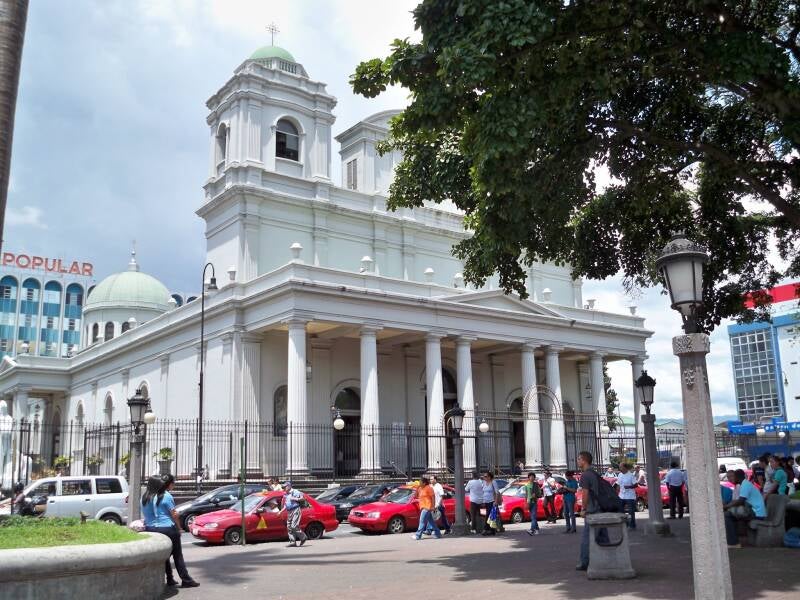
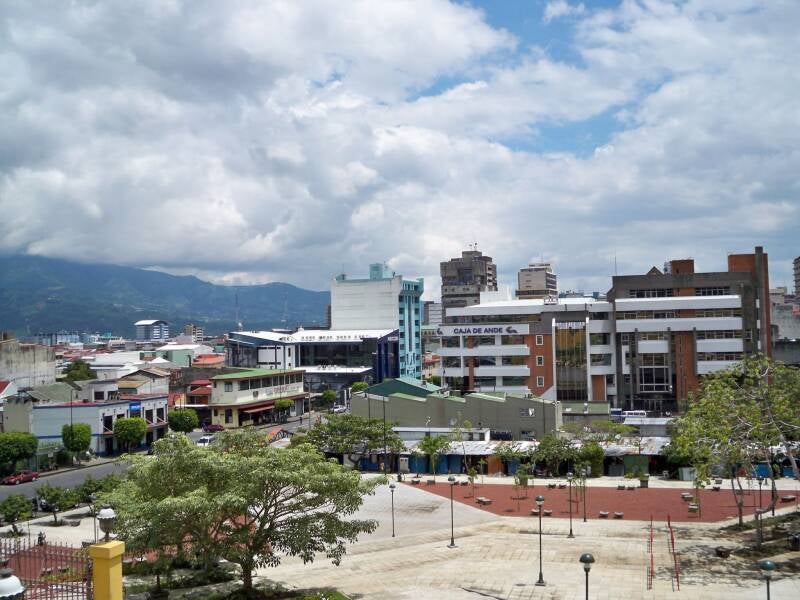
San José is the capital and largest city of Costa Rica, located in the central part of Costa Rica, the Central Valley region. It is situated at an elevation of approximately 1,160 meters (ca. 3,806 feet) above sea level, making it one of the highest capital cities in the world. The surrounding metropolitan area, is home to a significant portion of the country's population. The city has a rich history and has played a central role in the nation's political, economic, and cultural development. San José was founded in 1738 and officially became the capital of Costa Rica in 1823, following the country's independence from Spain. Despite its history the general impression is not that of a colonial city. However, there are some buildings of cultural significance, such as the Teatro Nacional, the Metropolitan Cathedral of San José, and the Museo Nacional, which is located in historic military barracks.
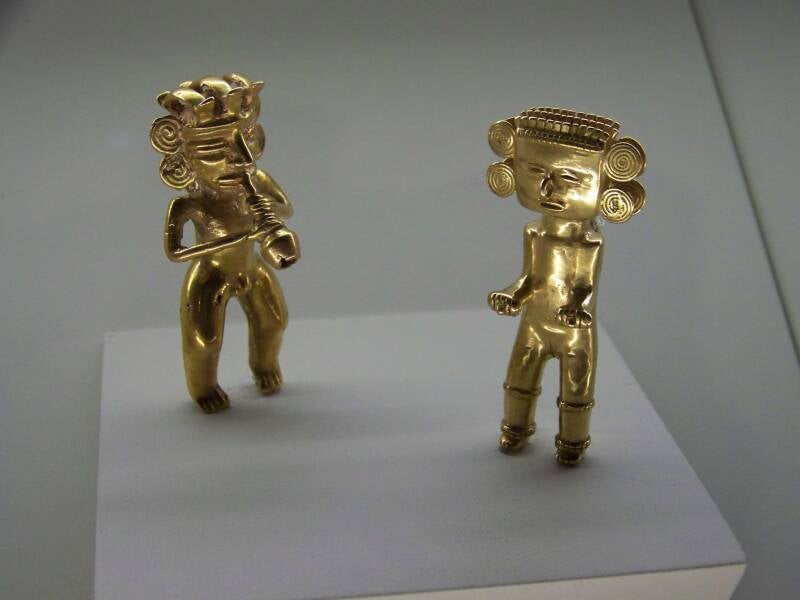
This national museum is worth a visit as it offers a fascinating glimpse into Costa Rica's history, culture, and natural heritage. It features pre-Columbian artifacts and colonial art. The Teatro Nacional is an architectural masterpiece and still functions as the national theater, hosting various shows and performances. Below the plaza next to the Teatro Nacional is the Museo de Oro (Museum of Gold). This museum is a showcase of pre-Columbian artifacts, and, as the name suggests, a lot of them are golden artifacts.
San Jose is mainly the business and governmental hub of Costa Rica. You will be entertained if you have to spend a day or two in the capital; there are plenty of hotels, restaurants, and probably more highlights other than I have mentioned, but I would advise you not to stay too long in San José. Costa Rica has so much more to offer. But before you leave the city, don’t forget to visit the Mercado Central (Central Market), which is a large marketplace with traditional food, handicrafts, and souvenirs.
Explore San José
- ✓ Museo de Oro Precolombino (The Pre-Columbian Gold Museum). A museum with impressive displays of pre-Columbian golden artifacts.
- ✓ Museo Nacional (The National Museum). A museum housed in old army barracks with exhibits of Costa Rican history.
- ✓ Teatro Nacional (The National Theatre). The still operational national theater built in 1897 is probably the colonial crown jewel of Costa Rica.
- ✓ Catedral Metropolitana (Metropolitan Cathedral). The capital's cathedral built in 1871.
- ✓ Mercado Central (Central Market). A central marketplace with traditional food, artwork and souvenirs.
- ✧ Museo del Jade (The Jade Museum). A museum about pre-Columbian culture.
✓: Based on experience | ✧: Based on research. Follow the links to check recent visitor photos and reviews on Tripadvisor.
Where to Stay
Search for the best accomodations on Booking.com and Hostelworld. These links are preset to San José.
Alajuela
Alajuela is the capital city of the equally named province, located in the heart of Costa Rica north of the nation's capital, San José. It is one of the first places most people will visit when coming to Costa Rica. This is because the main international airport of Costa Rica, although abbreviated to SJO for San José, is located in Alajuela. This airport is officially known as Aeropuerto Internacional Juan Santamaría, named after Juan Santamaría Rodríguez, who became a national hero. He died after his actions were decisive for winning the second battle of Rivas during the war between Costa Rica and the American mercenary forces of William Walker in the 19th century. If you're interested and have some time to kill, you might want to visit the Museo Histórico Cultural Juan Santamaría, located in the city center.
Although the town has some historical significance and some colonial buildings, of which the aforementioned museum and the beautiful white Cathedral of Alajuela are worth a visit, most highlights of the region are found outside the city. Surrounded by coffee plantations, the town enjoys a temperate climate and serves as a gateway to exploring the North Central Valley's natural wonders, like the Poás volcano and the many waterfalls in Bajos del Torro. This makes Alajuela a great place to spend a night after you arrive or before you leave the country.
Poás Volcano National Park
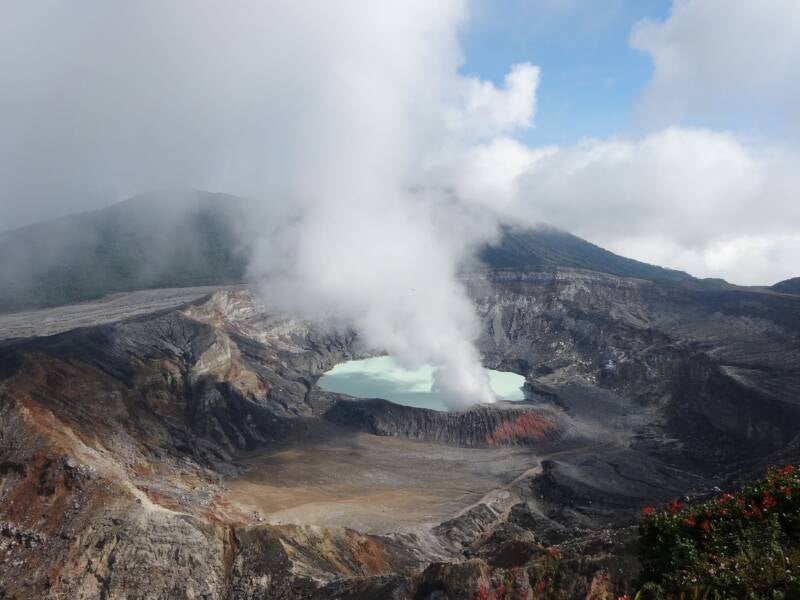
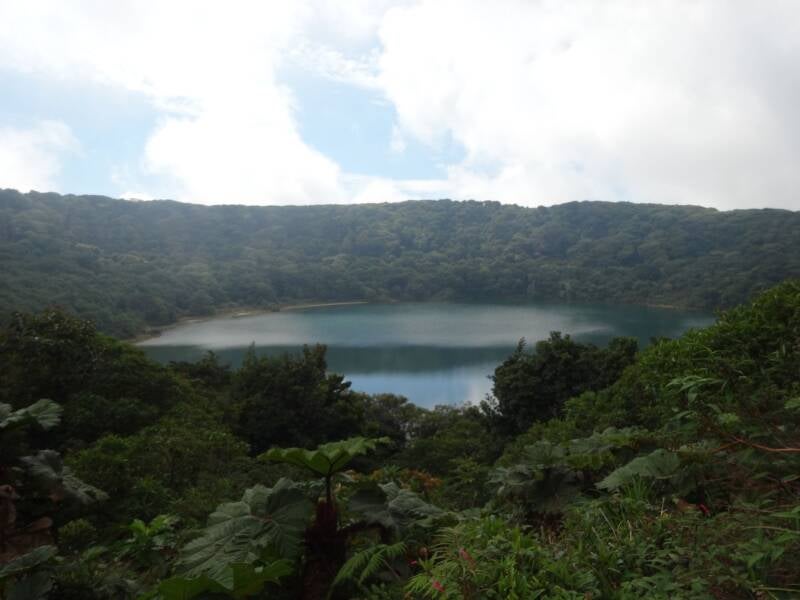
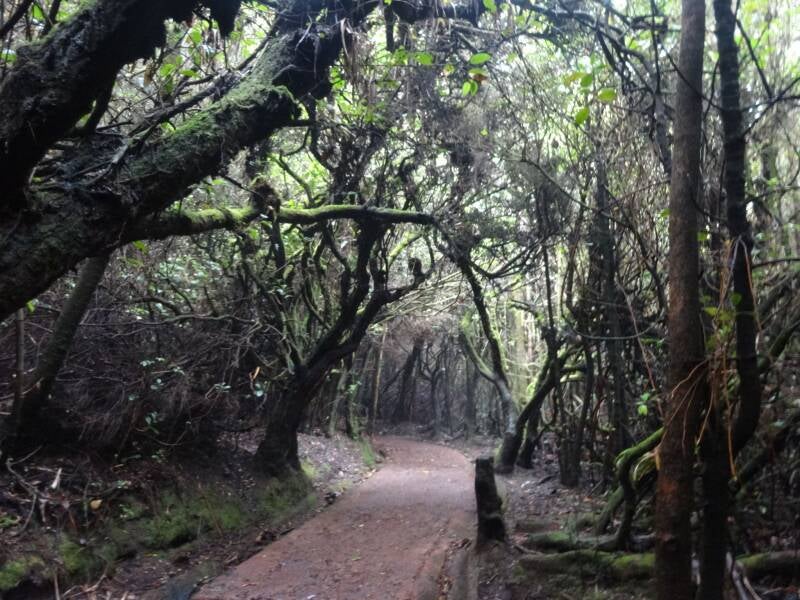
Poás Volcano National Park is located north of San José in the province of Alajuela. Poás is closely located to San José and the town of Alajuela. This makes it an ideal trip when you are staying near the capital or near the airport. The main attraction of the park is the Poás Volcano, with a height of approximately 2700 meters (ca. 8,858 feet) above sea level and a very impressive and large crater. The Poás volcano is an active volcano. Activity is visible in the hot and acidic lagoon of the main crater, which is, in fact, a large geyser. Small geyser eruptions might occur and be witnessed if you are lucky. The park also has a hiking trail to Laguna Botos, an old crater lake. Access to the park is limited, and tickets can only be bought online. From the parking lot it is a short walk to the main crater, and the Laguna Botos hiking trail is not that difficult but very nice, as it shows the distinctive low vegetation of the volcano area. Check the official website SINAC ACCVC Poás NP for more information.
Bajos del Toro
Bajos del Toro is more of an off-the-beaten-path area and is home to several breathtaking waterfalls. I will describe two of them, but if you research the area, you will learn that there are more that are definitely worth considering visiting. A day trip from San José or Alajuela is possible, or you can choose to visit this area on your way to La Fortuna in the Northern Zone. If you want to take your time to explore this area, it might very well be your first stop after arrival at Juan Santamaria International Airport. Note that the main road through Bajos del Toro is paved and does not require a 4WD, but it might be a more challenging and foggy road for which you want to take your time.
Catarata del Toro is a privately owned ecological waterfall project. The trails in this park are well maintained and will take you to an impressive high waterfall tumbling down into an old volcanic crater. You can get to the base of the waterfall by descending a stairway trail. The park also contains lookout points with views towards Castro Blanco National Park. Check out the website of Catarata del Toro for more information.
The Blue Falls are a combination of several bright blue waterfalls (La Tepezquintle, Las Gemelas, La Celestial, La Turquesa, La Pintada) surrounded by tropical forest. The project has a secured parking area, and there are restrooms available. You are able to swim at various natural pools, but be aware that you will have to undertake some light to moderate wet and slippery hiking to get around the project, and flip-flops are not allowed for this. The first two blue waterfalls are a 1-kilometer (0.6-mile) walk from the parking. You can make a 2-kilometer (1.2-mile) and 6-kilometer (3.8-mile) round trip, depending on which waterfalls you choose to visit. Check out the website of The Blue Falls for more information and hiking options.


Credits for the photos of Catarata Del Toro and The Blue Falls: Familia Santamaría Calderón
Explore Alajuela
- ✧ Museo Historico Cultural de Juan Santamaria (Juan Santamaria Historical Cultural Museum). A museum dedicated to the national hero Juan Santamaria and the independence of Costa Rica.
- ✧ Catedral de Nuestra Señora de Pillar (Cathedral of Alajuela). The city's impressive cathedral.
- ✧ Doka Estate Costa Rica Coffee Tour & Plantation, located approximately 30 minutes north from the town of Alajuela. Visit the Doka Estate to take a coffee tour and experience why Costa Rica is famous for its coffee.
- ✓ Parque Nacional Volcan Poas (Poas Volcano National Park). Visit the summit of the Poás volcano with views of the main crater and hiking trails.
- ✧ La Paz Waterfall Gardens, a bit expesive, but it combines the possibility to hike over well maintained trails to waterfalls in combination with a zoo.
-
✧ Bajos del Toro with many waterfalls like Catarata del Toro and the Blue Falls.
✓: Based on experience | ✧: Based on research. Follow the links to check recent visitor photos and reviews on Tripadvisor.
Where to Stay
Search for the best accomodations on Booking.com and Hostelworld. These links are preset to Alajuela.
Grecia
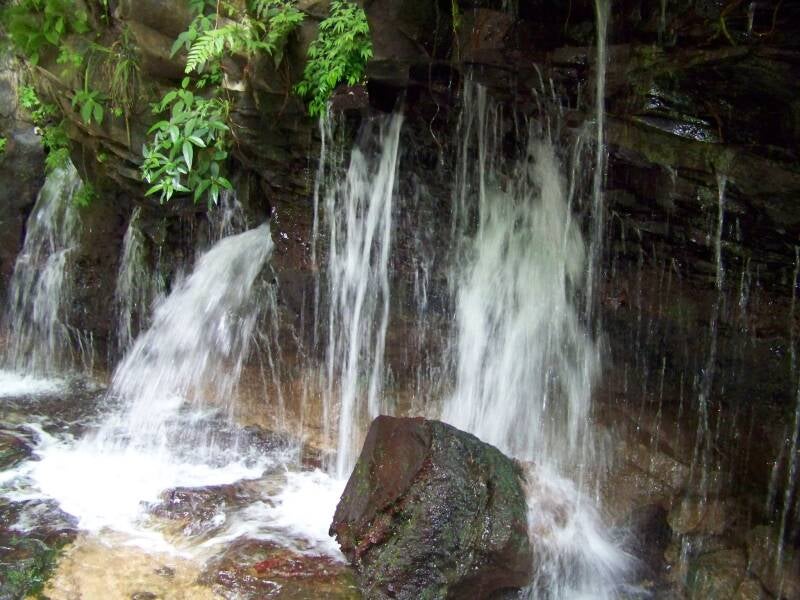
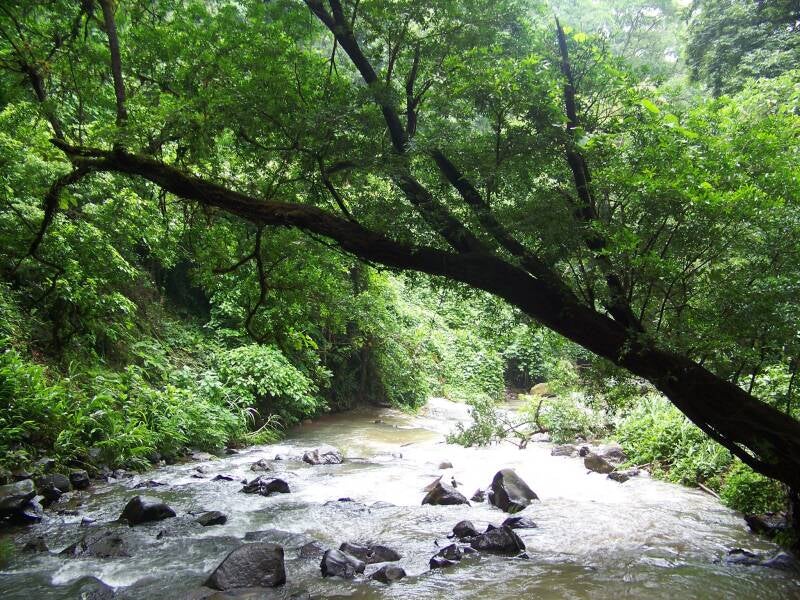
A more off-the-beaten-path destination, but a great place to explore the highlights of the northern part of the central valley, is the town of Grecia and its surroundings. Bosque Nubosos de los Niños and various waterfalls, of which I have visited Los Chorros. Grecia and this waterfall are not common destinations for tourists, and therefore you won’t encounter many people here. There is a parking lot where you will pay a small fee if an attendant is present. Walking to the waterfall area takes about 5 to 10 minutes; there you will find some picnic facilities. From there the trails in the area are not all that well maintained, and it gets challenging to get closer to the waterfall, so be careful.

Explore Grecia
- ✓ Los Chorros Waterfalls. Visit the waterfalls near Grecia with accessible trails to a picnic area.
- ✓ Iglesia de Nuestra Señora de las Mercedes (Metal Church). An impressive red metal church in the city center of Grecia.
✓: Based on experience | ✧: Based on research. Follow the links to check recent visitor photos and reviews on Tripadvisor.
Braulio Carrillo National Park
Braulio Carrillo National Park is one of the larger national parks of the country, located northeast of San José. The vast part of the national park is located in the Heredia province, and smaller parts are in the San José, Limón, and Cartago provinces. The best-known part of the park is located in the San José province. This is because in this area, ruta 32, the highway from San José to Guapiles and Puerto Limón on the Caribbean coast, runs through the park. This part of the highway is already insanely beautiful and a true attraction, with nice views over the pristine forests of the park.
If you have time to spare when traveling between San José and the Caribbean, you can visit Braulio Carrillo National Park at the Quebrada Gonzalez sector along ruta 32. Due to the convenient location of the ranger station close to ruta 32 and two relatively short hiking trails, it is easy to fit into your itinerary. From the ranger station, you can access the Las Palmas trail, a trail that is 1.6 kilometers (1 mile) long and will take approximately one hour. From the ranger station on the other side of ruta 32, you can access El Ceibo Trail. This trail is only 1 kilometer (0.62 miles) long and will take approximately 45 minutes. The trail will take you to the Rio Sucio lookout point. Check the official website SINAC ACCVC BCNP for more information.


Credits for the photos of Ruta 32 at Zurqui and Braullio Carrillo: Familia Duarte Moya
Explore Braulio Carrillo
-
✧ Parque Nacional Braulio Carrillo (Braulio Carrillo National Park). Visit the national park along Ruta 32 with some short hiking trails.
-
✧ Rainforest Adventures Braulio Carrillo. One of the main attractions near Guapiles is Rainforest Adventures Braulio Carrillo with a sky tram, canopy tours and hiking trails through the national park.
✓: Based on experience | ✧: Based on research. Follow the links to check recent visitor photos and reviews on Tripadvisor.
What to Explore next
- North of the North Central Valley you will find The Northern Zone with lush rainforests, volcanos, and cloud forests.
- North-east of the North Central Valley find The North Caribbean, with Tortuguero National Park.
- South-east of the North Central Valley you will find The South Caribbean with nice laid-back reggae vibed beach towns, and stunning nature and beaches.
- West of the North Central Valley you will find The Central Pacific with nice beaches and the most famous national park of the country.
- South of the North Central Valley you will find The South Central Valley, a mountainous region with volcanos and full of hidden gems.