

The Osa Peninsula
The Osa Peninsula is a remote and wild region located on the southern Pacific coast. The peninsula is known for Corcovado National Park, one of the largest national parks in Costa Rica and one of the most biologically diverse regions in the world. The peninsula is surrounded by the Pacific on the west and the Golfo Dulce to the east. The region is a popular destination for ecotourism and adventure travel, but despite its popularity, the Osa Peninsula remains relatively untouched and remote, making it a true paradise for nature lovers.
This page contains affiliate links to Booking.com, Hostelworld, and Tripadvisor. If you click through and make a booking, I may earn a commission at no additional cost to you.
Climate & Vegetation
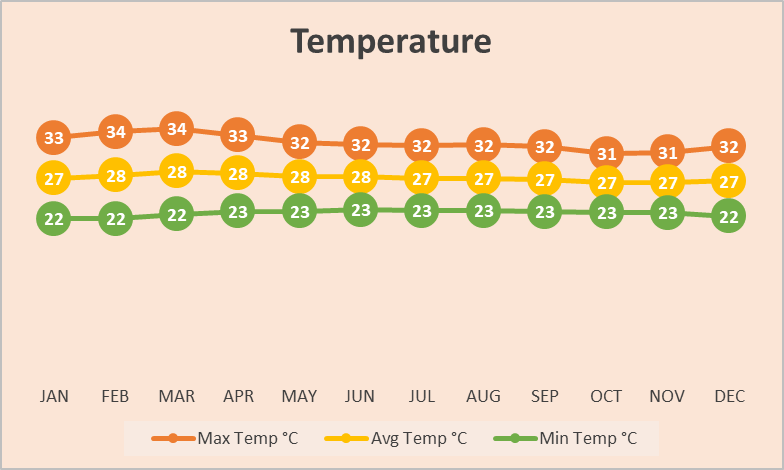
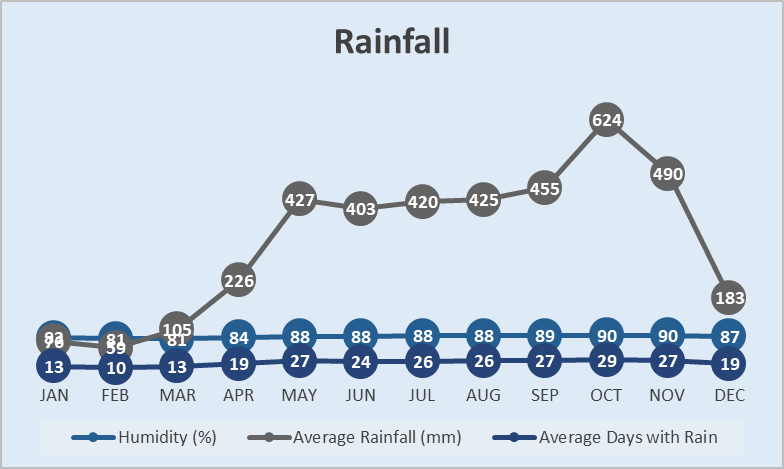
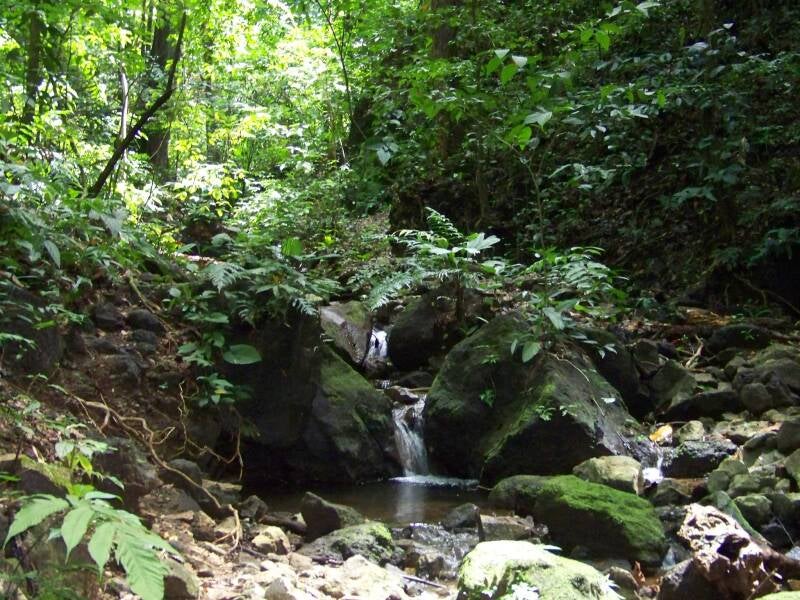
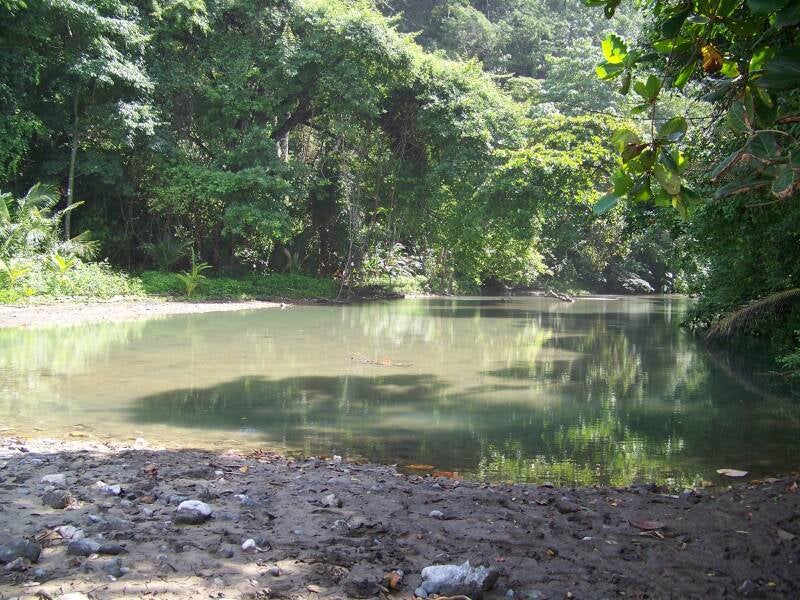
The Osa Peninsula is a biodiverse region. The climate of the Osa Peninsula is classified as tropical rainforest, with high temperatures and humidity throughout the year. It is a very wet region, with an average annual rainfall of around 4,000 mm (157 inches). The region can be visited year-round, but mid-September to mid-November is the rainiest period, and if you are planning to visit during this period, it will be wise to check if the tours you want to do are available. In October, some lodges and certain ranger stations of Corcovado NP might even be closed. Driving on the peninsula during periods of heavy rain is also not recommended. The Osa Peninsula is home to one of the last remaining Pacific lowland rainforests in Central America, which includes a wide range of vegetation types such as primary and secondary forests, mangroves, swamps, and wetlands.
Temperature and rainfall data are long-term averages, and "rainy days" doesn't reflect how long it rains each day. Because weather naturally varies each year, predictions are never exact. Visit the Seasons page for more information.
The Osa Gold Rush
Did you know that the Osa Peninsula in Costa Rica was once a hotspot for gold mining? The gold rush, which began in the 1930s and peaked in the 1980s, centered primarily around the regions of Golfito, Puerto Jiménez, and the Corcovado National Park. The discovery of gold deposits in these areas attracted a lot of prospectors seeking their fortune. While the gold rush brought economic prosperity to some, it also led to environmental degradation, deforestation, and conflict with indigenous communities. The mining operations eventually ended in the early 1990s. The decline was primarily due to a combination of factors, including falling gold prices, increased environmental regulations, and growing opposition from local communities and conservationists.
Sierpe
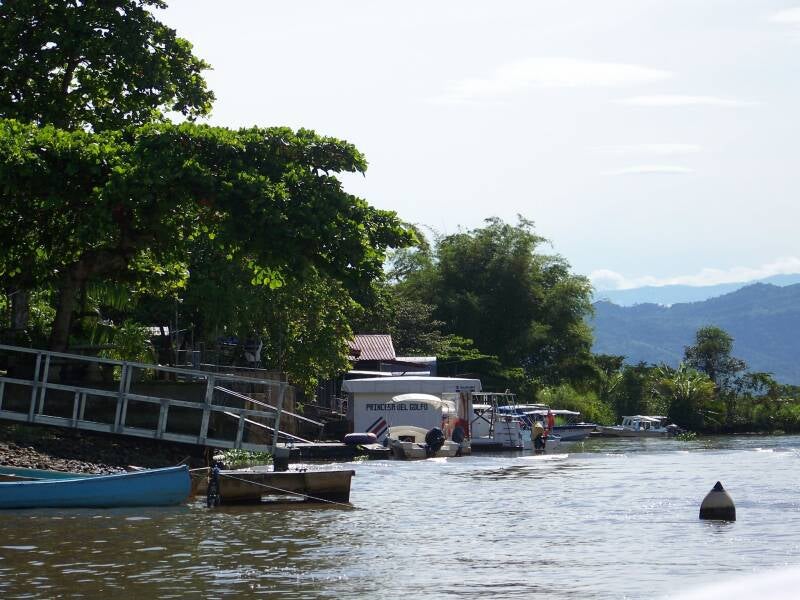
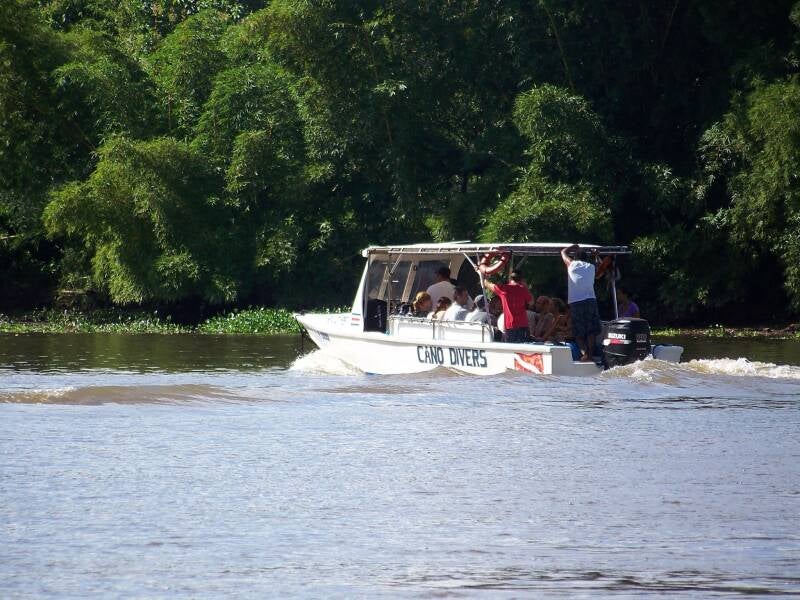
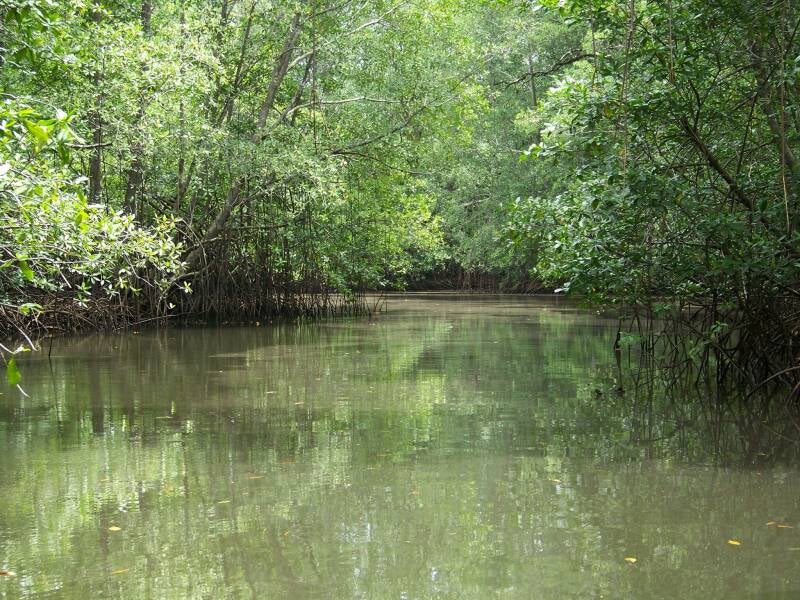
Sierpe is a small town on the Sierpe River. From Sierpe you can reach Drake Bay by boat. Boats to Drake Bay leave two times a day, at 11:30 and 15:30, from the restaurant Donde Jorge. Guarded car parking is available. The boat ride is an adventure in itself, as you will get to see a variety of wildlife and mangroves. The boat ride takes about 1.5 hours. If you have some time to spare near Sierpe, you can visit the Finca 6 Archaeological Site, which features ancient stone spheres that are believed to have been created by the pre-Columbian Diquis culture.
Note that if you plan to stay in Drake Bay to visit Corcovado National Park, it is advised to plan ahead and book your accommodation in advance. Double-check with your accommodation if you should take the public boat from Sierpe or if there is a private shuttle boat from the hotel. Some hotels also prefer to know which boat you are planning to take so someone can wait for you at the beach when you are dropped off to show you the way to the hotel and assist with your luggage. Also mention your hotel when buying your boat ticket in Sierpe to make sure you are dropped off near your hotel.
Explore Sierpe
- ✧ El Sitio Museo Finca 6, features ancient stone spheres that are believed to have been created by the pre-Columbian Diquis culture. Getting your head around the idea that a pre-Columbian tribe has been able to create these large perfect round stone spheres... food for thought while waiting for the boat to Drake in Sierpe.
- ✧ Various Mangrove Tours, are offered from Sierpe. Although a large portion of your trip to Drake Bay will involve going through mangroves, doing a tour with a guide will give you a lot of opportunity to truly experience the mangroves and its incredible flora and fauna.
✓: Based on experience | ✧: Based on research. Follow the links to check recent visitor photos and reviews on Tripadvisor.
Drake Bay
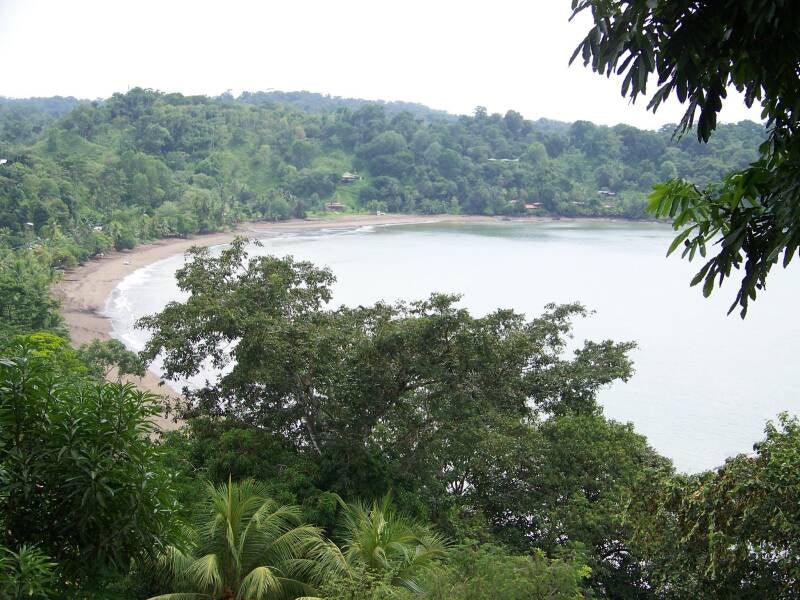
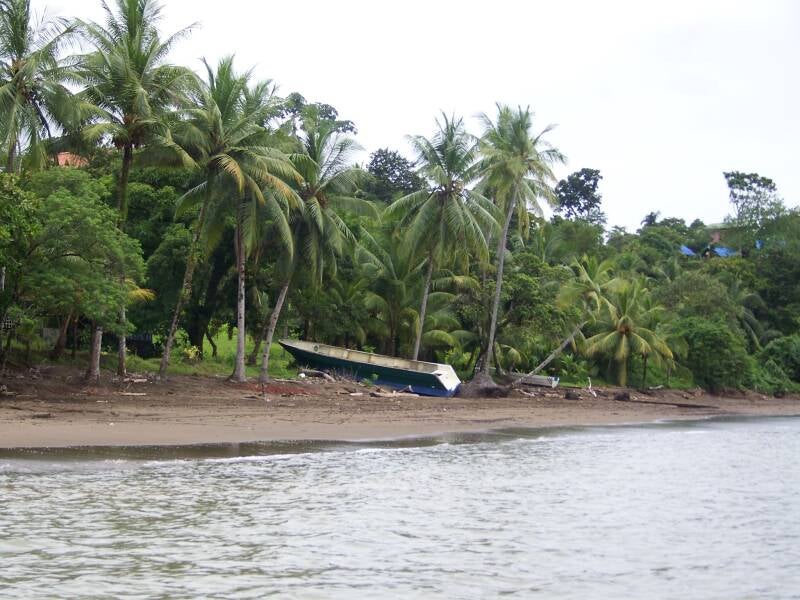
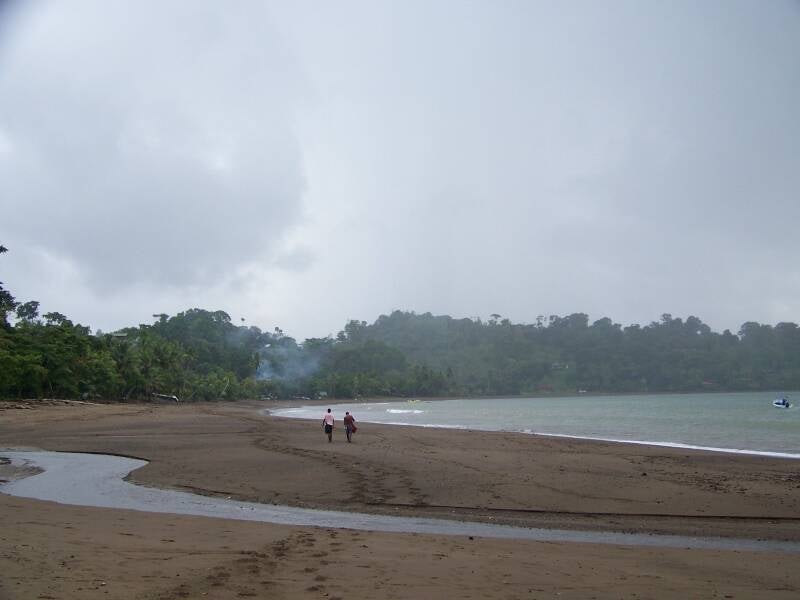
Drake Bay, or Bahía Drake, is a small town located on the Pacific side of the Osa Peninsula. It is named after the English explorer Sir Francis Drake, who is said to have anchored his ship in the bay during his Pacific voyage in the 16th century. It is a remote town that is best reached by boat from the town of Sierpe, but prepare for a wet beach landing when arriving at Drake Bay. You can also reach the town by car without having to ford rivers if you take the correct route (read more at the bottom of this page). It is still an adventurous trip, though, and it is not recommended during the rainy season.
The town is surrounded by rainforest and is a popular destination for ecotourism. It is close to Corcovado National Park, and the bay itself is also a popular spot for snorkeling (at Cano Island), and it is one of the best places in Costa Rica to go whale-watching.
Explore Drake Bay
- ✓ Corcovado National Park is without a doubt the main reason why people visit the Osa Peninsula. This large and secluded National Park is considered one of the country's best and most pristine rainforest and wildlife experience. The park has various ranger stations from which you can go hiking with a mandatory guide. The most popular and also the most remote ranger station is Sirena, which can be reached by boat from both Drake Bay and Puerto Jimenez. Two day overnight tours are also popular from this station. San Pedrillo and Los Planes are lesser known stations that can be accessed from Drake Bay. Both Sirena and San Pedrillo can be accessed from Drake Bay.
- ✧ The Drake Trail is a beautiful hiking trail that stretches approximately 11 kilometers from the southern end of Playa Colorada, near Drake Bay, all the way along the coast to San Pedrillo. It offers stunning coastal views, lush rainforest, and diverse wildlife. When you plan to hike this trail, it is best to start early and bring enough water as hiking conditions vary along the trail and weather conditions are hot and humid. Note that it is not recommended to hike the entire trail in one go since you also must get back. Approximately 5 kilometers and 2-3 hours hiking from the starting point there is a beach called San Josecito. This is one of the many nice beaches along the trail but also a good point to stop and head back. If you prefer not to hike the entire trail to San Josecito forward and back, you can also reach San Josecito by boat or jeep from Drake Bay. This service is not always available, and the safest option is to arrange to be dropped off at San Josecito and hike back.
- ✧ Isla del Caño is considered the best place for snorkling in Costa Rica. This island in front of the coast of the Osa Peninsula near Drake Bay has crystal-clear waters teeming with marine life. You can encounter a variety of colorful fish, sea turtles, stingrays, and even sharks.
✓: Based on experience | ✧: Based on research. Follow the links to check recent visitor photos and reviews on Tripadvisor.
Puerto Jimenez
Puerto Jimenez is the largest town on the Osa Peninsula and is located on the eastern coast of the peninsula, facing the Golfo Dulce. It is less of a tourist destination compared to Drake Bay and more of a commercial center. It is, however, still an ideal gateway to the nearby natural attractions, like Corcovado National Park.
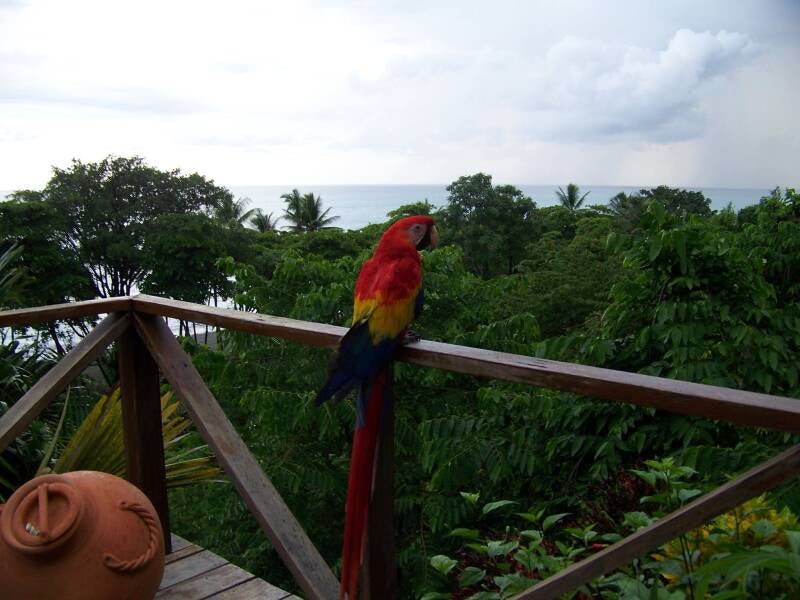
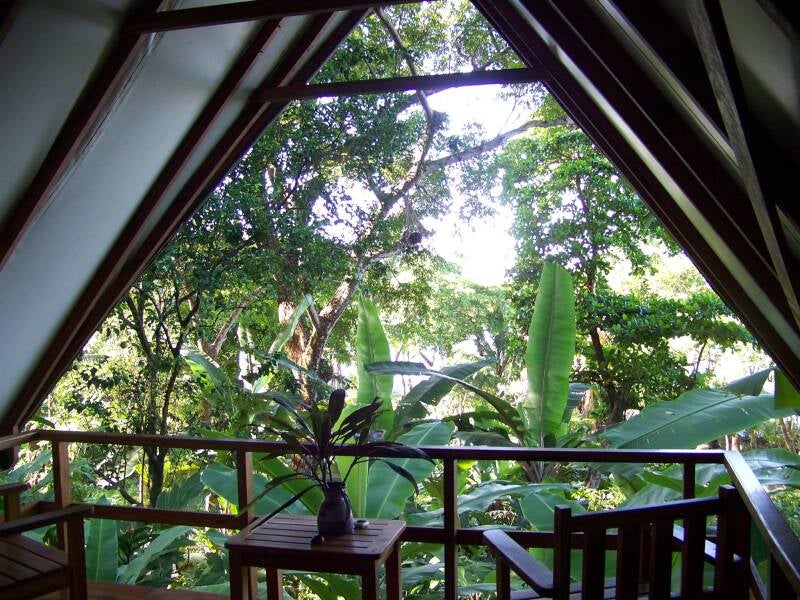
Even though Puerto Jimenez itself is not necessarily that touristy, or at least less then Drake Bay, you should definitely consider this side of the peninsula. When you drive past Puerto Jimenez further down all the way to Carate, you will find yourself in the midst of nature with plenty of both basic and luxurious eco-lodge accommodations with views over the Golfo Dulce that make you never want to leave. On the Carate side of Corcovado National Park, you have the sector La Leona entrance.
Explore Puerto Jimenez
- ✓ Corcovado National Park is without a doubt the main reason why people visit the Osa Peninsula. This large and secluded National Park is considered one of the country's best and most pristine rainforest and wildlife experience. The park has various ranger stations from which you can go hiking with a mandatory guide. The most popular and also the most remote ranger station is Sirena, which can be reached by boat from both Drake Bay and Puerto Jimenez. Two day overnight tours are also popular from this station. La Leona is a lesser known station that can be accessed from Carate, all the way passed Puerto Jimenez.
- ✧ The Golfo Dulce at the Puerto Jimenez side of the Peninsula is one of the places in Costa Rica where you can witness Bioluminescence. A kayak tour during this phenomenon is a unforgettable spectacle: as you paddle through the dark, water lights up with every stroke, creating a trail of glowing light. For the best experience, visit during the late evening and early morning hours on moonless nights.
✓: Based on experience | ✧: Based on research. Follow the links to check recent visitor photos and reviews on Tripadvisor.
Corcovado National Park
Corcovado National Park is a large protected area on the Osa Peninsula, home to an incredible variety of flora and fauna. The park covers over 40,000 hectares and is one of the largest parks in Costa Rica. Although it is a popular destination for ecotourism, it offers one of the best wildlife experiences in the country. You can only enter the park with a licensed guide, and the park has a daily limit of park entries. Make sure you pre-book a tour in advance to secure your spot.
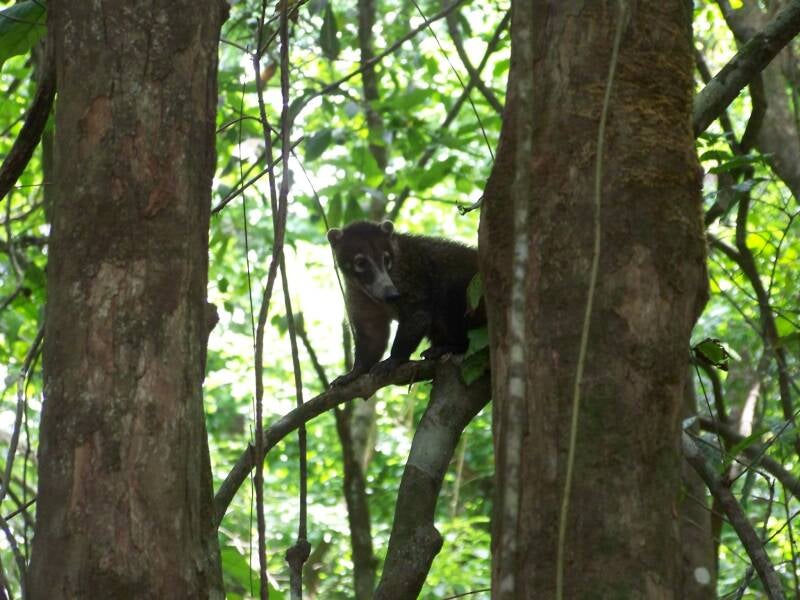
The dense rainforests are home to over 140 species of mammals, including jaguars, pumas, tapirs, monkeys, and sloths, and over 400 species of birds, including scarlet macaws and toucans. Both Drake Bay and Puerto Jimenez are home to various operators that are able to reserve you a spot to enter the park and take you on a tour. The most popular destination in Corcovado is La Sirena station. You are dropped off near the station by boat, where guides take you on amazing hikes in the surroundings of the station. It is also possible to do a two-day hike and overnight at the station.
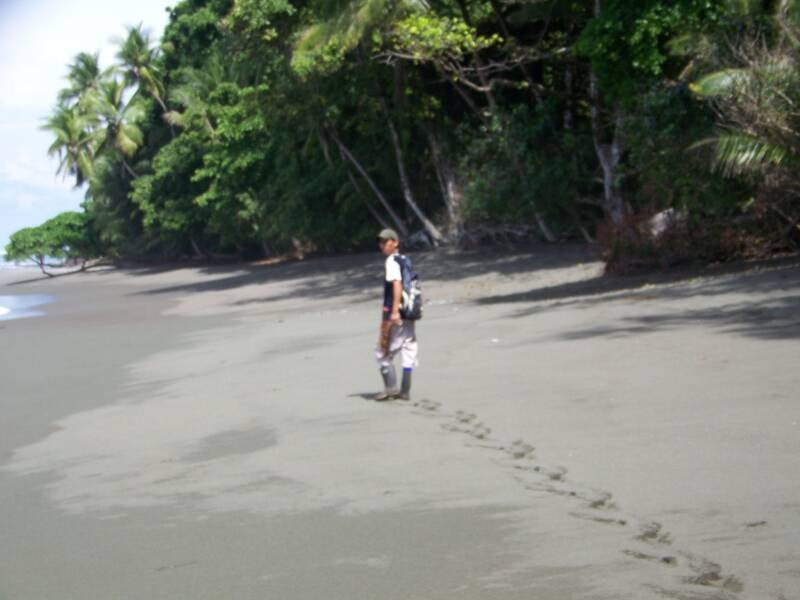
Did you know that you can witness nesting sea turtles on the Osa Peninsula? July to September is the best time. Check out the website of Comunidad Protectora de Tortugas de Osa (COPROT).
What to Explore Next
- The Osa Peninsula is located in The South Pacific region.
- North of the Osa Peninsula you will find The Central Pacific with nice beaches and the most famous national park of the country.
- East of the Osa Peninsula you will find The South Central Valley, a mountainous region with lush rainforests, volcanos, and beautiful valleys. This region is a great place to spend the night on your way to The South Caribbean.