

About Costa Rica
New to Costa Rica? This guide introduces the country, climate, wildlife, culture, food, transportation and travel essentials.
Rich Coast
The name “Costa Rica,” meaning “Rich Coast,” dates back to the arrival of Spanish explorers in the early 16th century. When Christopher Columbus arrived on the Atlantic coast of the region during his final voyage in 1502, he and his crew were captivated by the abundance of natural beauty and the gold ornaments worn by the indigenous people. These treasures led the explorers to believe that the land was rich in precious metals, inspiring the name “Costa Rica.” While the envisioned wealth of gold was never found, the name endured, and today it reflects the nation's priceless natural riches, fertile lands, and incredible biodiversity.
Country & Culture
Costa Rican culture is best summed up by the commonly used phrase 'Pura Vida.' The literal meaning is pure life, but it is often used as a positive expression when greeting each other, and it highlights the Costa Rican optimistic way of life. When you have visited Costa Rica, you will understand why 'Pura Vida' fits so well with this country.
The official language in Costa Rica is Spanish. Creole is also spoken, especially in the Caribbean part. Indigenous languages like BriBri are also spoken to a small extent. The majority of the inhabitants are Mezclas, who are people of mixed indigenous and Spanish descent. The remainder of the inhabitants are of European, African, Indigenous, or Asian descent.
Although the influences of these various groups are present throughout the country, there is a more Latin American vibe in the Pacific and Central parts of the country with music and dance styles such as salsa, cumbia, and bachata. The Caribbean coast is characterized by a more Afro-Caribbean atmosphere and Jamaican influences, with music styles such as reggae and calypso. The main religion in Costa Rica is Catholic, but the country is very tolerant of other religions. Read more about languages and Costa Rican Spanish on the Costa Rican Spanish page.
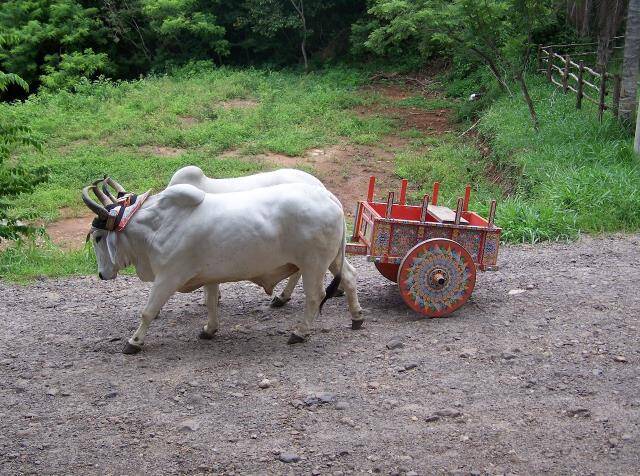
Traditional Ox Cart

Limònes Creole

Basílica de Nuestra Señora de los Ángeles, Cartago
Nature & Animals
Costa Rica is known for its ecotourism and has a lot to offer when it comes to nature. National Parks are located throughout the country, and, due to the Pacific and Caribbean sides and the central mountain range in between, the country offers a lot of diversity, from tropical rainforests to tropical dry forests and cloud forests. With more than a quarter of the country made up of national parks, there is a lot of wildlife.
Bird species, like parrots, toucans, hummingbirds, and the beautiful quetzal, make Costa Rica famous for birdwatching fanatics. Mammal species like the jaguar, some smaller cat species, sloths, and monkeys. If you are woken up in the morning by loud growls, you are hearing a howler monkey marking their territory. Amphibian species—the most famous group is probably the poison dart frogs, like the “blue jeans.” Reptile species, can be subdivided into crocodiles, turtles, lizards, and snakes. On both the Pacific and the Caribbean coasts, turtles can be spotted nesting on the beach. Costa Rica is also home to a lot of snake species. Read more about nature and animals on the Flora and Fauna pages.
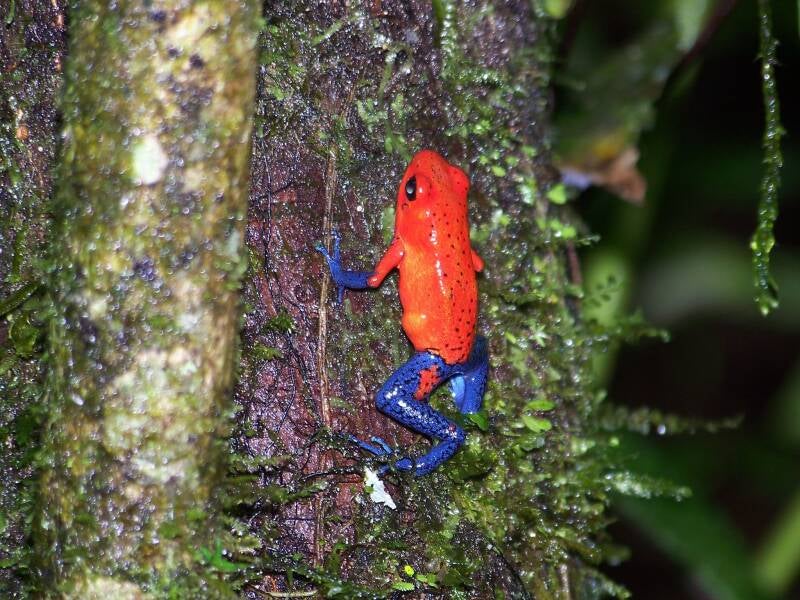
Blue Jeans Poison Dart Frog
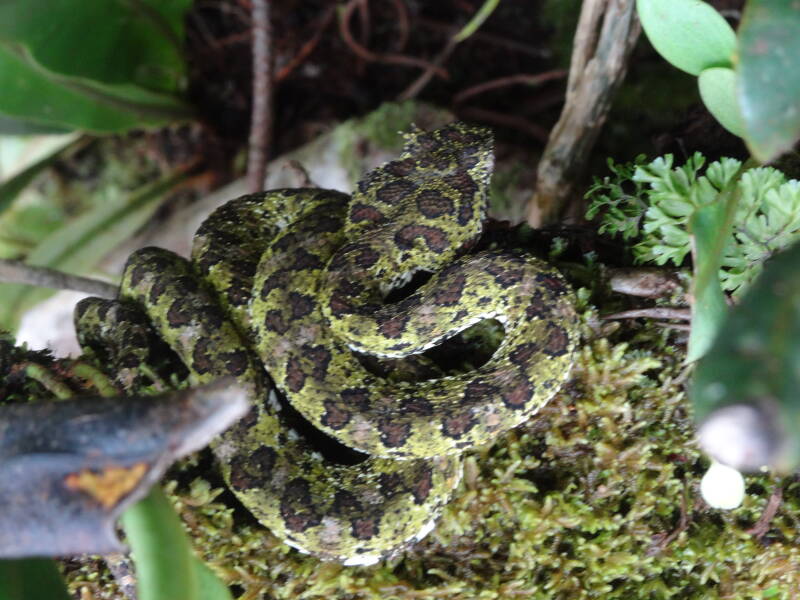
Eyelash Viper

Two-toed Sloth
Tourism & Weather
Tourism is an important part of the country's economy. Costa Ricans are very hospitable towards tourists, and there are plenty of good accommodations, restaurants, and tourist-related services at almost every area of interest. Most tourists come to Costa Rica to visit the nature and the national parks, relax at the beach, or go surfing or fishing. Whether you like to visit the beach, adventure through rainforests, or hike mountain trails, it is all possible in Costa Rica. Visit the Regions page for more information per region.
High season in Costa Rica is from mid-December until April, and this equals the dry season period. During these periods, you can expect bigger crowds and higher prices. Low season is from May until mid-December and equals the rainy season. Should you only go to Costa Rica during the dry season? No, that is a big misconception. Note that Costa Rica has a lot of microclimates and that the actual weather conditions vary per region. For example, September and October are the best months to visit the Caribbean side. The rainy season is also considered the best time nature-wise, when everything is lush green. Although it rains a lot in Costa Rica, the chances are in your favor that you will catch enough sunlight during your stay. During the day, showers often alternate with periods of sunshine, or when it rains in one destination of your trip, it might be sunny at the next. Visit the Seasons page for more information regarding weather and climate.
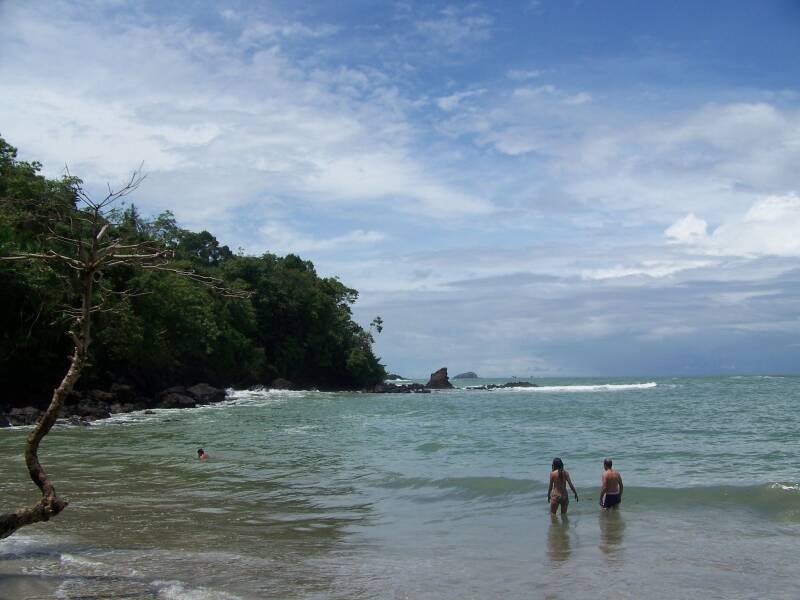
Manuel Antonio National Park
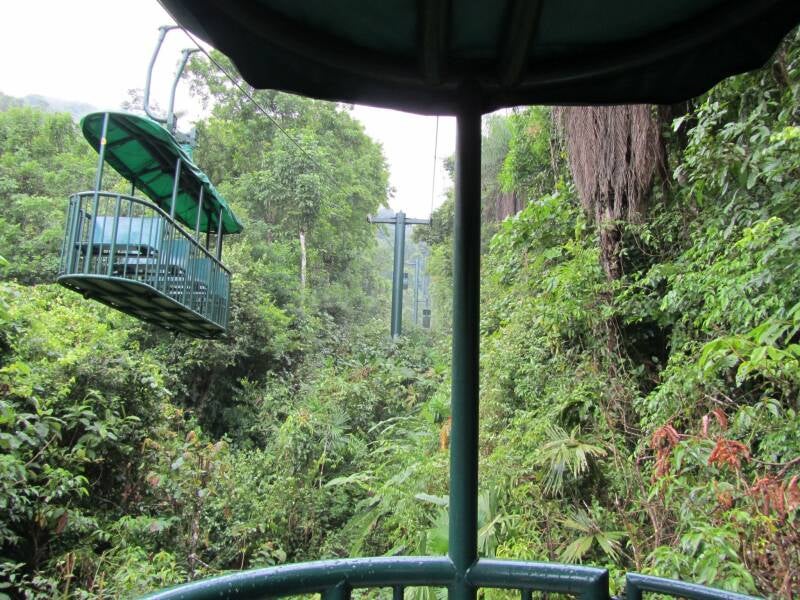
Rainforest Skytram, Jaco
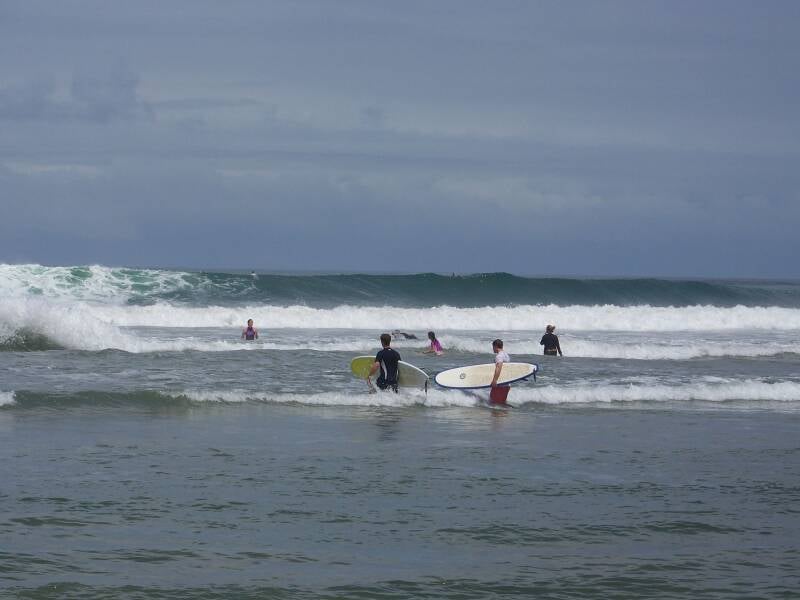
Surfers at Santa Teresa
Hotels & Accommodations
Whether you prefer luxury or are traveling on a budget, it's all possible in Costa Rica. All-inclusive resorts are mainly located on the northwest coast in Guanacaste and some hot springs resorts near La Fortuna; however, almost every tourist location will offer a variety of accommodations. Note that the food served everywhere in Costa Rica is of good quality, and you do not need to go all-inclusive to get a decent, safe-to-eat meal. Basic rooms called 'cabinas' are great when you're on a budget. You could compare the luxury with that of a hostel, which is practically the same thing. A room usually has beds, a private bathroom, and a shared kitchen/fridge. You will find various recommendations on accommodations on the Explore pages.
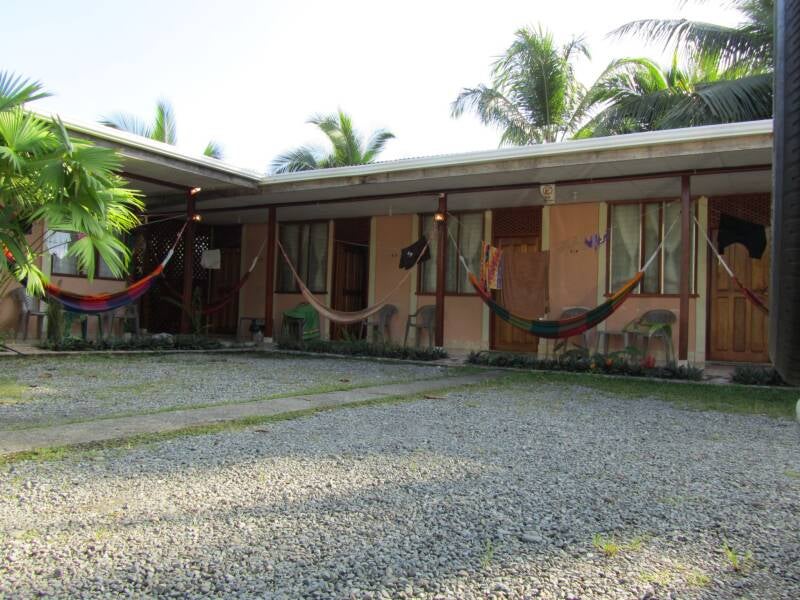
Typical Cabinas Style Accommodations
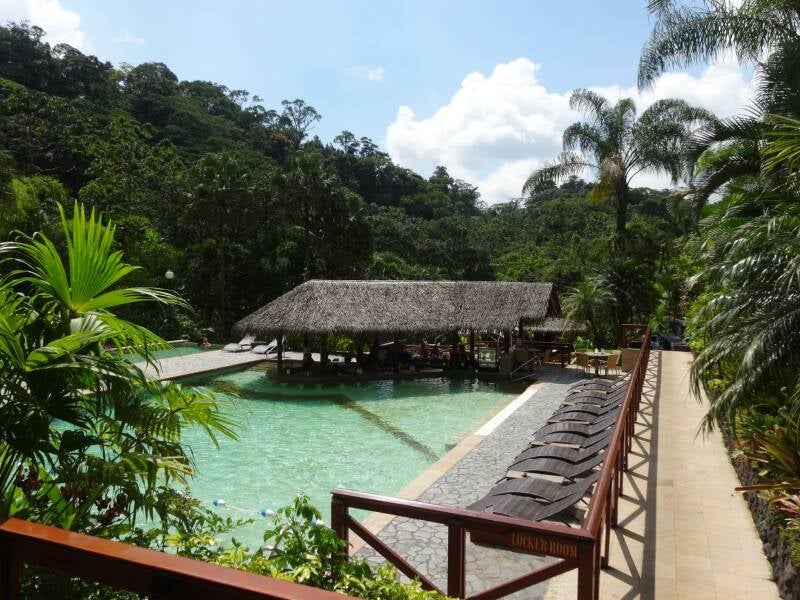
Tabacon Hot Springs, La Fortuna
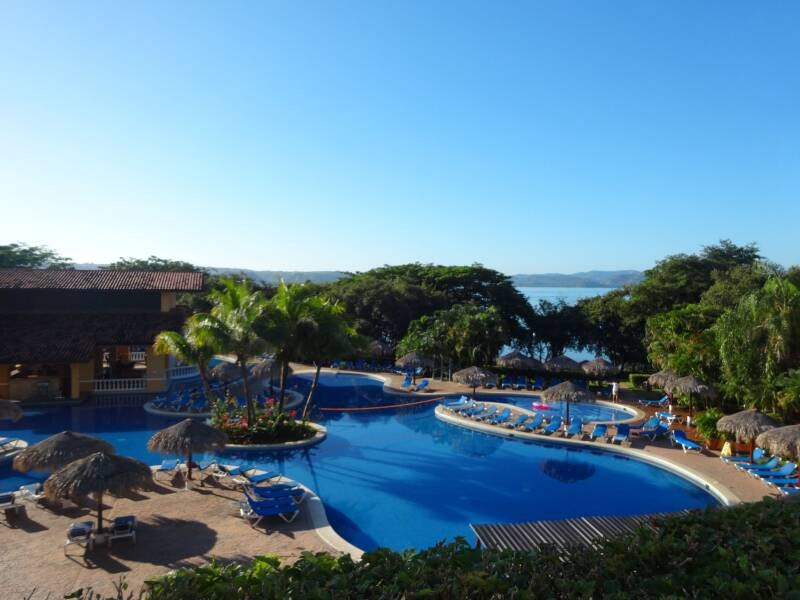
Luxury All-inclusive Resort, Papagayo Peninsula
Restaurants & Food
International fast food chains are mainly located in San José and occasionally in some other larger cities. Not that you need them, since every tourist destination in Costa Rica comes with a wide range of good restaurants serving local food as well as international dishes. However, restaurants in touristic areas might not be cheap. If you are on a budget and/or want to try local cuisine, you should look for small restaurants called 'Soda'. Sodas are smaller, family-run restaurants. You can have yourself a good meal at a soda for approximately 2000 to 3000 colones, while you are likely to pay double or more for a meal at a larger restaurant.
The most famous dish in Costa Rica is Gallo Pinto, fried rice and beans usually served with a variety of things like tomato, avocado, scrambled eggs, plantain, or sausage. Another well-known dish is casado, which means marriage. A casado typically consists of rice, beans, salad, and a choice of meat, possibly accompanied by pasta, tortilla, or plantain. If you are into soup, try sopa negra, which is black bean soup, or olla de carne, which is a beef and vegetable stew. When looking for a snack, try patacones, which are best described as fried plantain chips. Fish is also widely available in Costa Rica. When you see a whole fried red snapper on the menu, do not hesitate to try it. Ceviche is chopped raw white fish in lime juice, typically served with tortilla chips. Read more on the Costa Rican Food page.
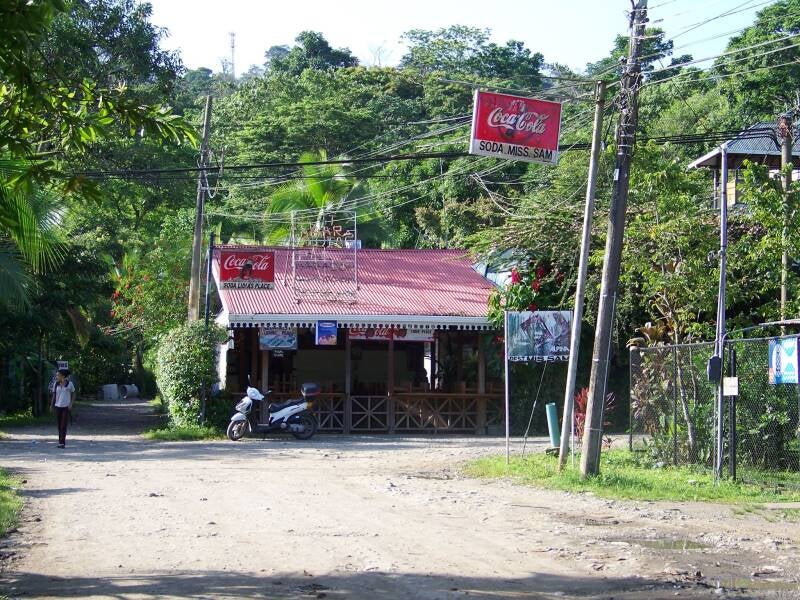
A Typical Costa Rican Soda
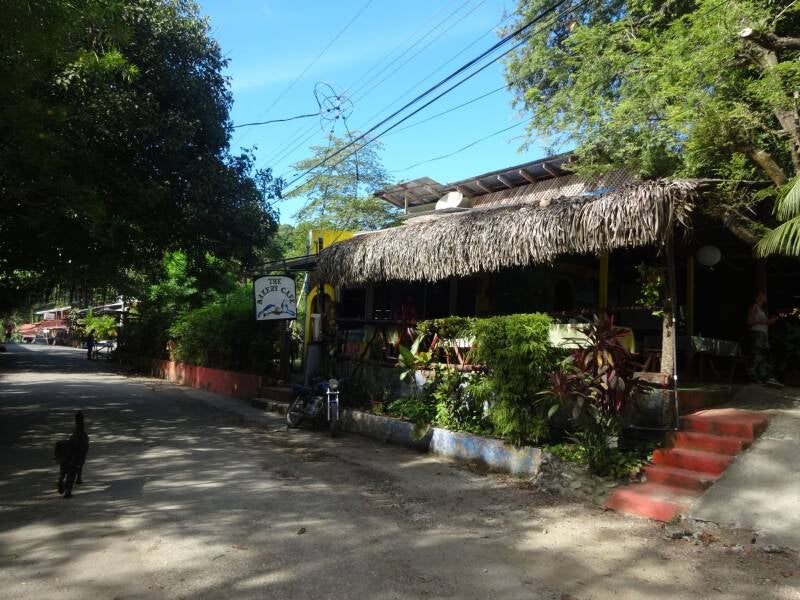
Bakery Cafe, Montezuma
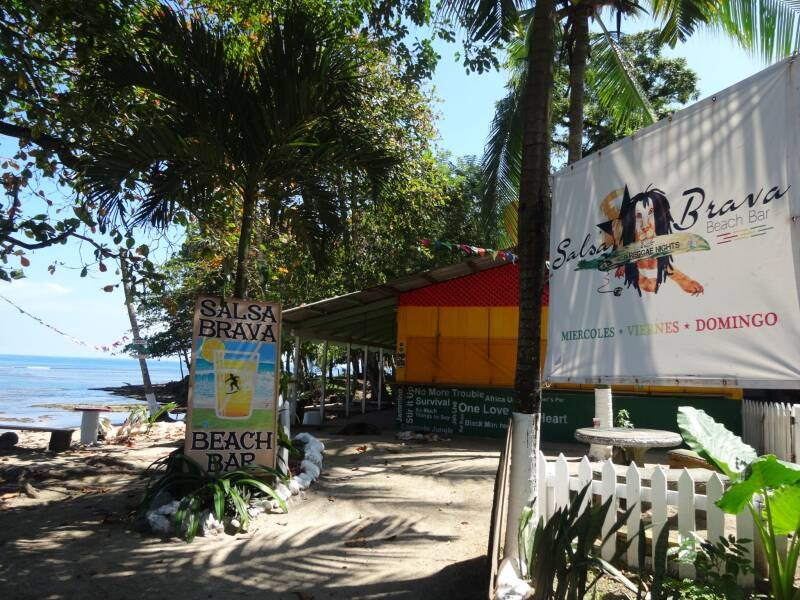
Salsa Brava Beach Bar, Puerto Viejo
Traveling & Transport
Costa Rica is a relatively safe country, and with some common sense you can easily travel on your own. It has a strong focus on tourism, and therefore you will be able to find plenty of experienced travel agencies, local guides, drivers, and tour operators to help you enjoy your stay. At this point it is also worth mentioning that Costa Rica has a tropical climate with all pros and cons. There is a good chance that you will have to deal with moisture, rain, an occasional power outage, and poor internet access in some areas. Also insects, or other unwanted animals in your accommodation, and worse road conditions than you might be used to, especially during rainy season.
The main public transport in Costa Rica is by bus or taxi. You can get to almost any tourist area by bus. It is also recommended to rent a car and drive on your own. The main roads are generally in good condition; however, driving at night or during the rainy season might make it more challenging. For those who do not want to rent and drive or take public transport, there are tourist shuttles, and tourist drivers can be hired for your entire trip. For more information regarding traveling in Costa Rica, visit the Travel page.
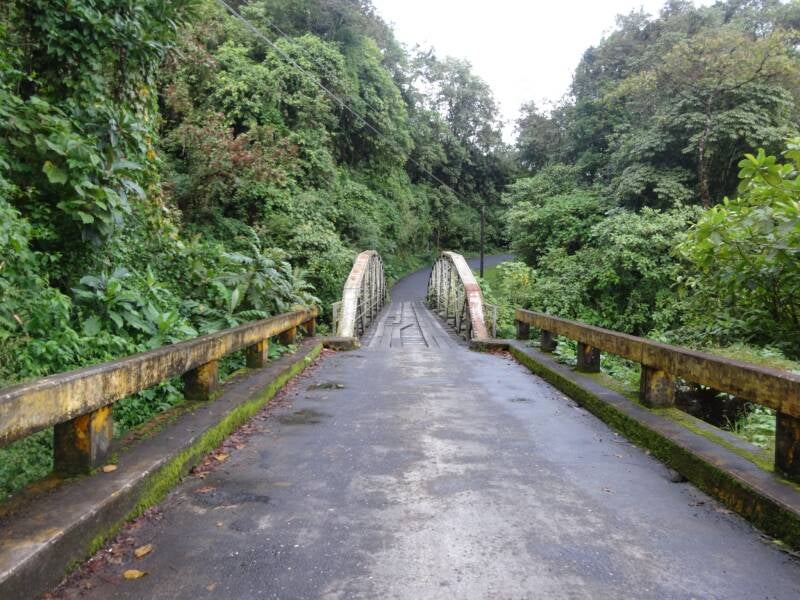
One-Lane Bridge on a Secondary Road
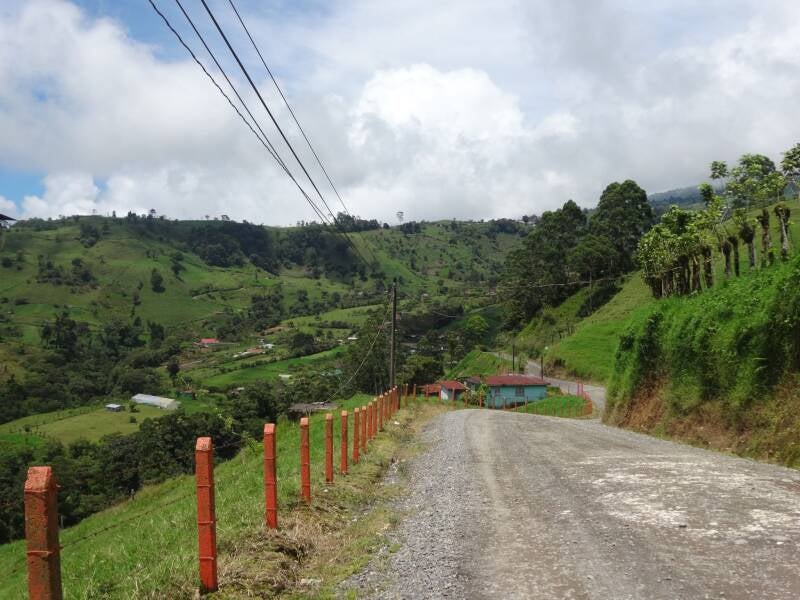
Secondary Mountain Road
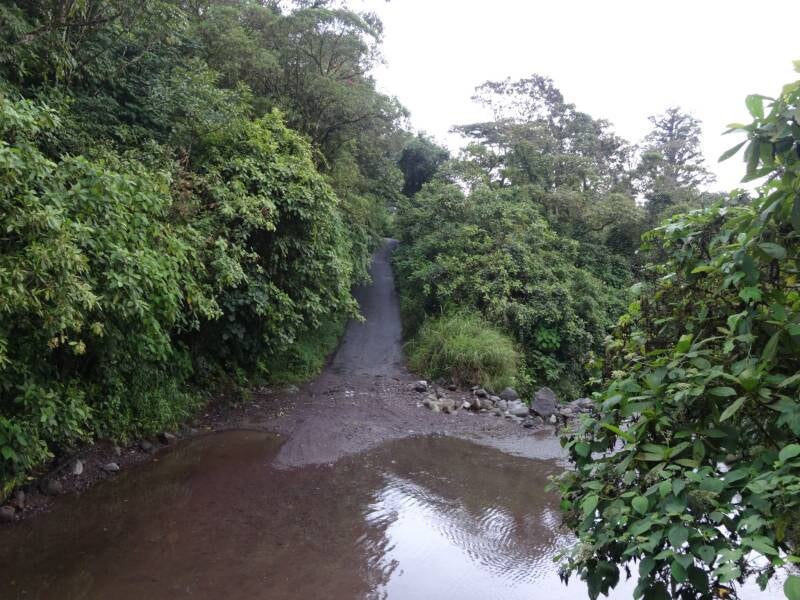
River Fording
Currency & Money
The national currency of Costa Rica is the Costa Rican Colon (CRC). Although most tourist places accept dollars and prices are displayed in both colones and dollars, it is recommended to pay in colones. You often have a slightly more favorable price in colones. Even when you pay with a credit card, you can indicate whether you want to pay in dollars or colones. Typically the receipt also has a price in dollars. Check whether this is at a favorable exchange rate. Outside the tourist areas, it is not always possible to pay with dollars.
When you want to exchange foreign currency for colones, don’t do this at the airport or at your hotel. These places usually have a less favorable exchange rate. It is best to go to a regular bank for this. If you want to withdraw cash, you can do this at an ATM. Most banks accept VISA and Mastercard, and debit cards should work (check with your bank before traveling). However, do not wait until the last minute to withdraw money. While most places do have ATMs, they can be empty at times or not accept your card. In that case, it is nice if you have time to try other banks. Worst-case scenario, you should be able to manually withdraw money inside a bank with your card and your passport. For more information and some tips on how to save money on your trip, check the Currency & Money page.
Safety & Health
Costa Rica is often seen as one of the safest countries in Latin America. Whether this is true or not, do not let the pura vida vibe missguide you into a false sence of security. Common sense is highly recommended. Do not flash expensive jewelry or lots of cash. Don't leave your belongings unattended at the beach, in a bar, or on the bus. When you travel by car in between destinations, make sure your luggage is not visible and take your valuables with you when making a stop. Petty theft of unattended items is not uncommon, and as a tourist, you are a target for scams. The emergency number in Costa Rica is 9-1-1. According to their website, the Costa Rican Tourism Board also has provided contact details in case of complaints (e-mail: quejas@ict.go.cr or phone: 2299-5800) or for assistance when you have been a victim of a crime (phone: 2253-2935).
Don't forget to bring sunscreen. Costa Rica is close to the equator, so you don't want to be without it when the sun starts to shine. If you are planning on going surfing or snorkeling, a UV shirt is recommended. In general, tap water in Costa Rica is safe to drink. Be careful in remote areas and during periods of heavy rainfall or drought. The best advice is to check with your accommodation if the tap water is safe to drink in that area. Bottled water is widely available.
Diseases spread by mosquitoes, such as dengue, chikungunya, zika, and malaria, occur in Costa Rica. It is therefore important to take precautions such as sleeping under a mosquito net, wearing long-leg pants and long-sleeved shirts in areas with a lot of mosquitoes, and/or using an insect repellent. The brand name 'Off' repellent is widely available in Costa Rica and works great. Assess with your doctor or health institution whether it is advisable for you to get certain vaccinations. For example, DTP and hepatitis vaccines are generally recommended. In some cases, hepatitis B and rabies vaccinations and/or malaria medication can be recommended. A yellow fever vaccine is mandatory when travelling to Costa Rica from certain countries. Before you travel, make sure you’ve checked what suits your situation.
What to Explore next
-
Now that you have a general idea of Costa Rica, find out more interesting topics like regions, seasons, flora and fauna on the Discover page.